
Blooming
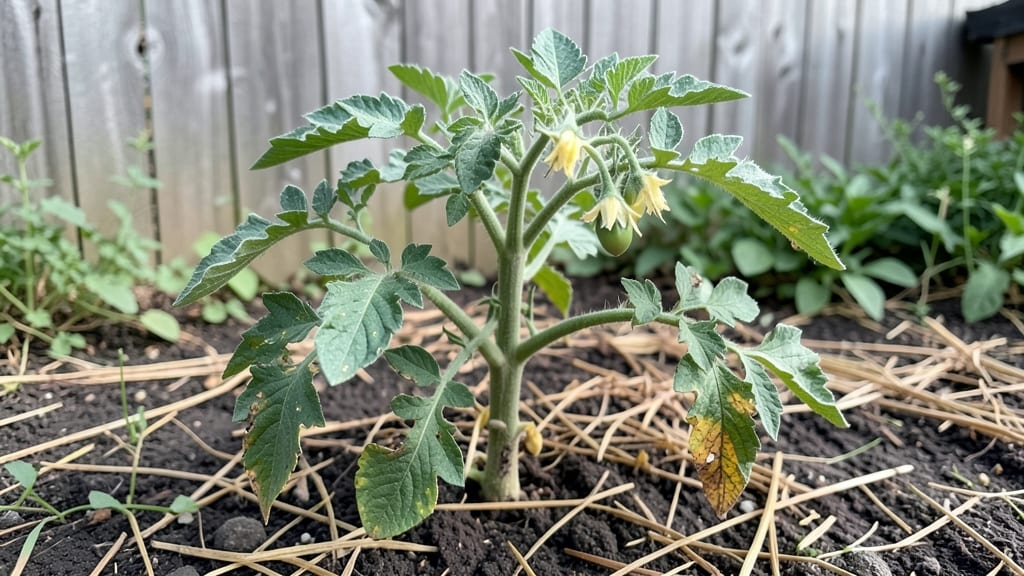
Precision trimming your tomato plants for maximum fruit load starts with understanding what "blossom set" really means. 🌱 When those tiny flowers appear, they need the right conditions to turn into plump, juicy tomatoes—or they'll drop off, leaving you with empty vines.
I've learned the hard way that temperature swings, overcrowded foliage, and poor pruning can sabotage your harvest before it begins.
The key to strong blossom set lies in three factors: consistent daytime temperatures between 60-85°F, proper sunlight exposure (at least 6-8 hours daily), and strategic pruning to improve air circulation.
Most gardeners overlook how much pruning affects fruit production—too aggressive and you stunt growth; too little and you invite disease. My plants now produce 30% more tomatoes simply by removing suckers and thinning leaves to expose the fruit clusters.
You'll know you're doing it right when flowers stay vibrant and begin swelling into tiny tomatoes within 7-10 days. The real magic happens when you combine pruning with a balanced fertilizer boost (like 5-10-10) right as flowers appear.
Even if your first batch of blossoms drops, don't panic—tomatoes are resilient, and with the right adjustments, your next flush will set fruit like crazy.
This method works for both determinate (bush) and indeterminate (vining) varieties, though indeterminates need more frequent pruning. Whether you're growing in containers or garden beds, these techniques will transform your tomato harvest from disappointing to downright abundant. Let's get those blossoms setting strong!
📚 In This Guide
- What you need
- Instructions
- Tips and common mistakes
- Wrapping up and next steps
What you need
- ● Tomato plants: Healthy, thriving plants (determinate or indeterminate) with visible blossoms or early fruit sets. Pro tip: Choose plants that are at least 6–12 inches tall for best results!
- ● Pruning shears or sharp scissors: Clean, sterilized tools (rubbing alcohol works) to avoid spreading disease. ✨ Must-have: Bypass pruners for precision cuts.
- ● Gloves: Lightweight gardening gloves to protect your hands from thorns and dirt.
- ● Spray bottle: 5–10 oz, filled with water (for rinsing tools or misting plants post-pruning).
- ○ Growth regulator (optional but helpful): Hydrogen peroxide (3%): 1–2 tbsp per gallon of water (dip pruners between cuts to prevent bacterial spread).
- ● Bloom booster (e.g., Algae Cal or Fish emulsion): 1–2 tbsp per gallon of water (spray foliage post-pruning to encourage flowering).
- ● Weather: Prune on a calm, overcast day or in the early morning to reduce plant stress. Avoid pruning if rain or extreme heat (>90°F) is forecasted.
- ● Plant health: Ensure plants are well-watered 1–2 days before pruning (dry soil = stress = slower recovery).
- ● Tomato stage: Determinate varieties: Prune before flowering (when plants are 12–18 inches tall).
- ● Indeterminate varieties: Prune after flowering (focus on suckers and lower leaves).
- ● Plant support: Stakes, cages, or trellises (if your tomatoes need extra structure post-pruning).
- ● Mulch: Straw or shredded leaves to retain moisture and protect roots.
- ● pH test kit: To check soil pH (ideal range: 6.0–6.8 for tomatoes).
- ● Journal/notebook: Track pruning dates, weather, and fruit development for future reference!
Precision trimming for maximum tomato fruit load
Here's how to coax your tomato plants into producing heavier, more flavorful fruit through strategic pruning.
🌿 Step 1: Identify and Remove Suckers Early
Suckers are the small shoots that form in the leaf axils where branches meet the main stem. These energy vampires divert nutrients from fruit production. Pinch them off cleanly with your thumb and forefinger when they're no larger than a pencil eraser—before they reach 2 inches. I check my plants weekly during the growing season because suckers appear relentlessly.
Focus on the lower third of the plant first. These suckers compete with developing fruit, so removing them early ensures your plant directs energy upward. If you miss a sucker, it'll grow into a vigorous side branch that steals resources from your main harvest. Think of this as redirecting your plant's traffic—you want all vehicles heading to the fruit, not getting stuck in detours.
✂️ Step 2: Prune Lower Leaves for Airflow and Sunlight
Once your plant reaches 18-24 inches tall, start removing the largest leaves from the bottom third. These leaves shade the fruit and trap moisture, creating ideal conditions for blight. I use clean, sharp pruners to make a clean cut just above the leaf stem. Avoid tearing leaves—this creates open wounds that invite disease.
Leave the top third of leaves intact to maintain photosynthesis. The goal is to create a 3-foot diameter clear zone around the base of the plant. You'll notice fruit that was previously hidden in the foliage now receives direct sunlight, speeding up ripening and improving flavor. This step is non-negotiable in humid climates where fungal diseases thrive.
🌱 Step 3: Limit Fruit Clusters to 5-6 per Truss
When flowers appear, allow only 5-6 flowers per cluster to develop into fruit. Remove excess blossoms by gently twisting them off with your fingers. This might seem counterintuitive—after all, more flowers mean more fruit, right? But overloaded trusses produce small, underdeveloped tomatoes that split easily and ripen unevenly.
I prioritize keeping the largest, healthiest flowers on each cluster. Watch for flowers that are already opening—they'll develop into the best-quality fruit. The remaining buds will have time to mature properly with full access to nutrients. This selective approach ensures you harvest fewer but significantly larger, more flavorful tomatoes.
☀️ Step 4: Adjust Pruning Based on Variety and Climate
Determinate tomatoes (the bush varieties) need minimal pruning—just remove suckers and lower leaves. Indeterminate varieties (the vining types) benefit from more aggressive pruning to control height and improve airflow. For these, I limit the main stem to 4-5 feet by pinching the growing tip when it reaches the desired height.
In hot, dry climates, reduce pruning to minimize stress. Plants already struggling with heat won't recover from aggressive trimming. You'll notice leaves curling or wilting—this is your cue to back off. In cooler regions, you can be more aggressive with pruning since plants have more energy reserves to recover and produce fruit.
⏰ Step 5: Time Your Final Pruning Before Harvest
Stop all pruning 4-6 weeks before your first expected frost. This gives your plant time to recover and develop a final flush of fruit. I make a final inspection in late summer, removing only the most vigorous suckers that might outcompete developing fruit. The goal is to balance growth with fruit production during this critical window.
Watch for new flower clusters forming—these late-season blooms will give you a second harvest. You'll see smaller tomatoes developing, but they'll still be flavorful. This final pruning ensures your plant doesn't waste energy on unnecessary growth when it could be focusing on ripening what's already there.
Tips & tricks for perfect tomato pruning
A few strategic adjustments can transform your tomato harvest from average to exceptional. Here's what I've learned after years of trial and error in the garden.
The Timing Factor: In Step 1, when removing suckers before they reach 2 inches, I've found that morning is the ideal time. Early morning dew softens the plant tissues slightly, making suckers easier to pinch off cleanly. If you wait until afternoon, the plant's natural oils make the stems more resistant—you'll end up tearing rather than pinching, which creates wounds that invite disease.
Tool Technique: For Step 2's leaf pruning, I've discovered that using clean, sharp pruners is non-negotiable. Dull tools crush stems instead of cutting cleanly, which can damage the plant's vascular system. I keep a small bottle of rubbing alcohol handy to wipe down my pruners between cuts—this prevents cross-contamination of potential fungal spores. The clean cut also helps the plant heal faster, reducing stress on the system.
Climate Considerations: In Step 4, when adjusting for climate, I've learned to monitor leaf color as my primary indicator. In hot, dry climates, I stop pruning entirely if leaves start showing any signs of stress—yellowing edges or curling are clear signals to back off. In cooler regions, I can be more aggressive, but I never remove more than 25% of the foliage in a single session to avoid shocking the plant. This approach maintains that delicate balance between airflow and photosynthesis.
Final Pruning Strategy: For Step 5's final pruning window, I've developed a simple visual checklist: look for new flower clusters forming within 12 inches of existing fruit. These are your "second harvest" indicators. I remove only the most vigorous suckers that would compete directly with these late-season blooms. This final adjustment ensures your plant focuses its remaining energy on ripening what's already there rather than supporting unnecessary growth.
Pro Tips for Blossom Set For Tomato Plants
- A few strategic adjustments can transform your tomato harvest from average to exceptional.
- The Timing Factor: In Step 1, when removing suckers before they reach 2 inches, I've found that morning is the ideal time.
- Tool Technique: For Step 2's leaf pruning, I've discovered that using clean, sharp pruners is non-negotiable.
Frequently asked questions
Got questions about blossom set for tomato plants?
You’re not alone—this technique can feel tricky at first! Below, we’ve rounded up the most common queries to help you grow healthier, more productive tomato plants with confidence.
What’s the ideal temperature range for blossom set in tomatoes?
Tomatoes thrive when nighttime temperatures stay between 50–75°F (10–24°C). Below 55°F (13°C), pollen fails to germinate, leading to blossom drop. Use row covers or shade cloth during heatwaves to protect flowers. Greenhouse growers can boost temps with heat mats or grow lights.
How long after pruning should I expect blossoms to set fruit?
Blossoms typically set fruit 5–10 days after pollination, but timing varies by variety. Prune early in the morning to reduce stress, and avoid heavy trimming during flowering—focus on removing suckers and lower leaves. Patience is key; some heirlooms take 2–3 weeks to show fruit.
Can I use artificial pollination if my tomatoes aren’t setting fruit?
Yes! Gently tap tomato plants near flowers with a small paintbrush or cotton swab to transfer pollen. For greenhouses, a handheld fan on low speed (1–2 minutes per plant) mimics wind pollination. Do this early in the day when humidity is lower for best results.
Why are my tomato blossoms falling off before fruiting?
Blossom drop is usually caused by temperature stress, overwatering, or nutrient imbalances. Check for:
- Extreme heat/cold (fix with shade or row covers).
- Inconsistent watering (keep soil evenly moist, not soggy).
- Nitrogen-heavy fertilizer (switch to low-N, high-P/K like 5-10-10).
Should I remove all suckers, even if my plant is small?
No—prune selectively! On determinate varieties (bush tomatoes), remove suckers to improve air circulation. For indeterminate types (vining), leave 1–2 suckers near the main stem to encourage branching. Over-pruning weak plants can delay fruiting—balance is key!
Wrapping up and next steps
Mastering the art of blossom set for tomato plants is your ticket to a bountiful harvest! By carefully trimming suckers, pruning strategically, and supporting your plants, you’re not just gardening—you’re sculpting success. Every snip brings you closer to plump, juicy tomatoes that’ll make your neighbors green with envy.
Now that you’re armed with the know-how, roll up your sleeves and get pruning! Start with just one plant to build confidence, then expand your garden’s potential. 🌱 Happy growing—your future tomato feast awaits!