
Pests
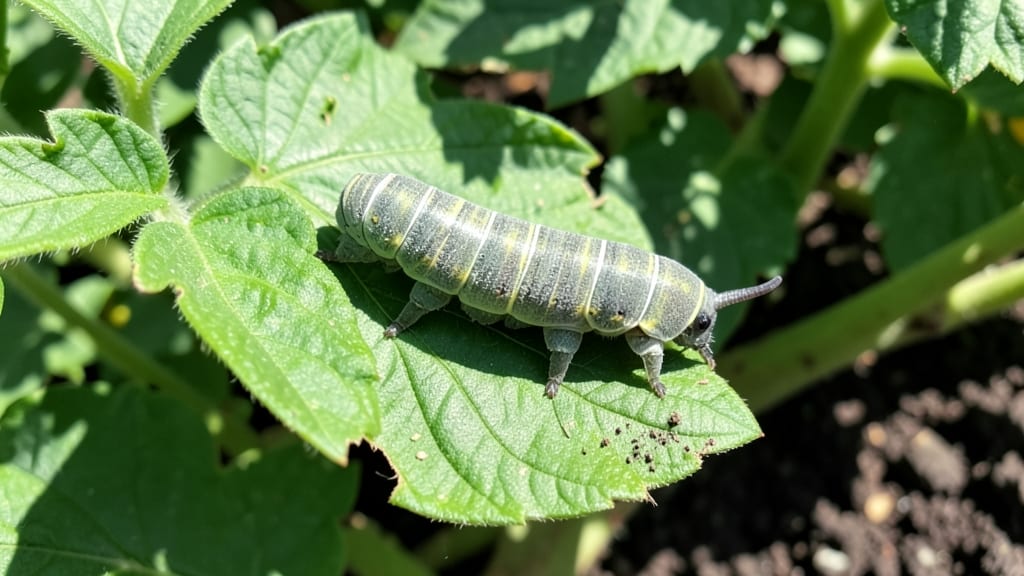
Tomato plant caterpillars can turn your lush vines into skeleton leaves in days—unless you act fast. 🌱 I’ve watched entire harvests vanish overnight, but these organic sprays work where I once thought I’d lost everything.
The key isn’t just killing pests; it’s timing your treatments to catch them before they strip your plants bare.
The worst offenders—hornworms and loopers—hide in plain sight during the day, emerging at dusk to feast. You’ll spot their telltale signs first: chewed leaves with ragged edges, black droppings on foliage, or the caterpillars themselves camouflaged as twigs.
A quick inspection at dawn or after rain reveals their hiding spots before they strike.
With the right spray—like neem oil, Bacillus thuringiensis, or homemade garlic-chili mix—you’ll see results within 24-48 hours. The plants stop wilting, new growth appears within a week, and your tomatoes stay plump and undamaged. The secret? Reapply after rain and check plants daily until the caterpillars disappear completely.
This works for both organic and conventional gardeners, though organic methods take patience. The payoff? A thriving tomato plant that produces heavier, healthier fruit—and the satisfaction of saving your harvest without harsh chemicals. Let’s get those caterpillars under control before they ruin your season.
The Real Culprits Behind Caterpillar Attacks
When your tomato plants become a caterpillar buffet, it’s not just bad luck—it’s usually a mix of environmental conditions, plant health, and the natural behavior of hungry pests. Understanding why these critters target your garden is the first step to stopping them.
Below, we break down the key reasons your tomato plants are under siege, backed by science and actionable insights.
Caterpillars, like hornworms and loopers, are opportunistic feeders. They zero in on plants that are already struggling—think of them as nature’s vulture gardeners. Here’s why your tomatoes might be sending out an "eat me" signal:
- Nutrient Deficiencies: Plants low in nitrogen (a key building block for leaves) or other essential nutrients become softer and more palatable. Example: Yellowing leaves or stunted growth? That’s a red flag for caterpillars.
- Water Stress: Overwatering or drought can weaken plant cell walls, making them easier to chew. Science note: Studies show that stressed plants produce higher levels of sugars, which attract pests like moths (the caterpillars’ parents).
- Poor Air Circulation: Dense foliage traps moisture, creating the perfect humid microclimate for pests and diseases. Caterpillars thrive in these damp, shaded conditions.
💡 Pro Tip: Conduct a quick "health check" on your tomato plants. Prune crowded branches, ensure even watering (1–1.5 inches per week), and fertilize with a balanced organic mix (like compost tea) to toughen up your defenses.
Most garden caterpillars start life as eggs laid by moths. These nocturnal fliers are highly selective about where they deposit their eggs. Your tomato plants might be a hotspot for one or more of these reasons:
- Volatile Organic Compounds (VOCs): Healthy tomato plants emit specific chemical signals that moths detect from up to a mile away. Example: Damaged leaves release even more of these "come and get it" scents.
- Warmth and Shelter: Moths prefer to lay eggs on plants with direct sunlight exposure (for warmth) and protected leaves (like those under dense vines). Shady or windy areas? Less likely to be targeted.
- Previous Infestations: Moths return to areas where they’ve successfully reproduced. If you had caterpillars last season, they’ll remember—and bring reinforcements.
🌡️ Science Spotlight: Research from Journal of Chemical Ecology found that tomato plants under moderate stress (not extreme drought or overwatering) actually increase their VOC emissions, making them more attractive to moths. The key? Consistent care.
Caterpillars aren’t just munching leaves—they’re also after your tomatoes. Ripe or injured fruit becomes a magnet for pests like fruitworms and hornworms. Here’s why:
- Sugars and Acids: Ripe tomatoes are packed with glucose and organic acids, which caterpillars find irresistible. Fun fact: A single hornworm can consume an entire tomato in 24 hours.
- Physical Vulnerabilities: Cracks, bruises, or splits in fruit create entry points for eggs and larvae. Example: Hail damage or overhandling at harvest? That’s an open invitation.
- Fungal Soft Spots: Fruit affected by blossom end rot or early blight becomes mushy and easier to penetrate. Caterpillars exploit this weakness.
🎯 Prevention Hack: Harvest tomatoes as soon as they ripen (even if not fully red) to remove the temptation. For green tomatoes, use kaolin clay (a natural barrier) to deter egg-laying moths.
Your tomato plants aren’t alone in the garden. Other crops can act as magnets or stepping stones for caterpillars and their moth parents. Common culprits include:
| Plant | Why It’s a Problem | Solution |
|---|---|---|
| Basil | Shared pests (e.g., spotted cucumber beetles) and moths that cross-pollinate. | Plant basil away from tomatoes or use row covers. |
| Peppers | Attracts tomato fruitworms, which will migrate to tomatoes. | Interplant with marigolds (natural repellent). |
| Nightshade Weeds | Wild relatives of tomatoes (e.g., black nightshade) host moths year-round. | Remove weeds before tomato planting season. |
🔥 Caution: Avoid planting tomatoes near eggplants or potatoes—they share the same pest families and can create a "super-attractant" effect for moths.
Natural Ways to Stop Caterpillars
Caterpillars can turn your thriving tomato plants into a buffet of destruction, but there are effective, organic ways to reclaim your garden without harsh chemicals. Below, we’ll match common causes of caterpillar infestations to practical, step-by-step solutions—plus prevention tips to keep your tomatoes safe for the long haul.
Cause: These hungry munchers (like tomato hornworms) strip leaves overnight, leaving behind chewed foliage and even fruit damage.
Fix:
- 🔍 Handpick & Drop Them
- Inspect plants early in the morning when caterpillars are sluggish.
- Drop them into a bucket of soapy water (1 tbsp dish soap per gallon) to kill them instantly.
- Pro tip: 💡 Wear gloves—some caterpillars have urticating hairs that can irritate skin!
- 🍳 Bacillus Thuringiensis (Bt) Spray
- This natural bacteria (found in organic gardening stores) targets caterpillars’ digestive systems.
- Mix 1 tsp Bt per quart of water and spray evenly on leaves (especially undersides).
- Reapply after rain or every 7–10 days for heavy infestations.
- 👨🍳 Neem Oil Spray (Early Intervention)
- Mix 1 tbsp neem oil + 1 tsp mild soap + 1 quart water.
- Spray at dusk to avoid harming bees. Repeat every 5–7 days.
- Warning: 🌡️ Neem oil works best below 90°F—it degrades in heat.
Cause: These guys create silken webs or "tents" on plants, stunting growth and spreading disease.
Fix:
- 🔪 Prune & Destroy Webs
- Cut out infested leaves or tents with clean shears and burn or compost them (don’t add to garden waste).
- Quick fix: 🎯 Use a shop vacuum to suck up caterpillars from webs.
- 🥘 Diatomaceous Earth (DE) Barrier
- Sprinkle food-grade DE around the base of plants and on leaf surfaces.
- It dries out caterpillars without chemicals. Reapply after rain.
- Avoid: ❌ Don’t use DE if plants are wet—it loses effectiveness.
- 🐝 Encourage Predators
- Ladybugs, lacewings, and parasitic wasps love caterpillar eggs.
- Plant dill, fennel, or marigolds nearby to attract them naturally.
Cause: Tiny eggs (often on leaf undersides) hatch into caterpillars in 24–48 hours, making prevention key.
Fix:
- 🔥 Inspect & Scrape Eggs
- Check leaf undersides daily (especially after rain).
- Scrape eggs into soapy water with a fingernail or soft brush.
- 🌿 Plant Companion Crops
- Basil, thyme, or garlic repel caterpillars. Interplant them among tomatoes.
- Bonus: 🍅 Basil also improves tomato flavor!
- 🌡️ Kaolin Clay Spray (Physical Barrier)
- Mix 2 tbsp kaolin clay + 1 tsp soap + 1 gallon water.
- Spray lightly to create a white film that confuses caterpillars.
- Safe for: 🐝 Bees and beneficial insects.
- 🌱 Start with Healthy Plants: Buy resistant tomato varieties (e.g., ‘Cherokee Purple’ or ‘Mountain Merit’).
- ⏰ Plant at the Right Time: Avoid early spring plantings—caterpillars thrive in warm weather.
- 🌿 Mulch Strategically: Use straw or grass clippings to block egg-laying sites and deter pests.
- 🕯️ Use Yellow Sticky Traps: Hang them near plants to catch adult moths before they lay eggs.
Remember: Consistency is key! Check plants 2–3 times weekly and act fast—caterpillars multiply fast. With these methods, your tomato plants will stay leafy, lush, and pest-free! 🍅🌿
Frequently asked questions
What are the most common types of caterpillars attacking tomato plants?
The two biggest culprits are tomato hornworms (green with white diagonal stripes) and tomato fruitworms (green or brown, often hiding in fruit). Loopers (green with smooth bodies) and armyworms (striped, moving in groups) also target tomato foliage. Identify them by their size and feeding patterns—hornworms leave skeletonized leaves, while fruitworms create entry holes in tomatoes.
How do I know if my tomato plants have caterpillars before I see them?
Look for chewed leaves with ragged edges, black droppings on foliage, or silken webs on stems. Check leaf undersides for tiny eggs (white or yellow) after rain—these hatch into caterpillars within 24-48 hours. Early signs include wilting despite proper watering or sudden stunted growth, as caterpillars remove critical leaf surface area.
Can I use soap spray on tomato plants to kill caterpillars?
Yes, but use mild liquid castile soap (1 tbsp per quart of water) sparingly. Spray directly on caterpillars and leaf undersides, avoiding flowers to protect pollinators. Reapply every 3-5 days or after rain. For heavy infestations, combine with Bacillus thuringiensis (Bt)—soap disrupts their protective wax layer while Bt targets their digestive system.
Will neem oil work if my tomato plants are already heavily damaged?
Neem oil helps prevent new caterpillars but won’t reverse existing damage. For heavily infested plants, prioritize handpicking (drop caterpillars in soapy water) and Bt spray immediately. Focus neem applications on new growth and leaf undersides to stop further spread. Prune severely damaged foliage and compost it away from your garden to prevent reinfestation.
Are there any natural predators that can help control caterpillars?
Parasitic wasps (like Cotesia congregata) lay eggs inside caterpillars, lacewings eat eggs, and birds (like robins) feast on larger caterpillars. Attract them by planting dill, fennel, or marigolds nearby and avoiding broad-spectrum pesticides. Even praying mantises will hunt caterpillars—just don’t expect them to solve the problem alone!