
Vegetables
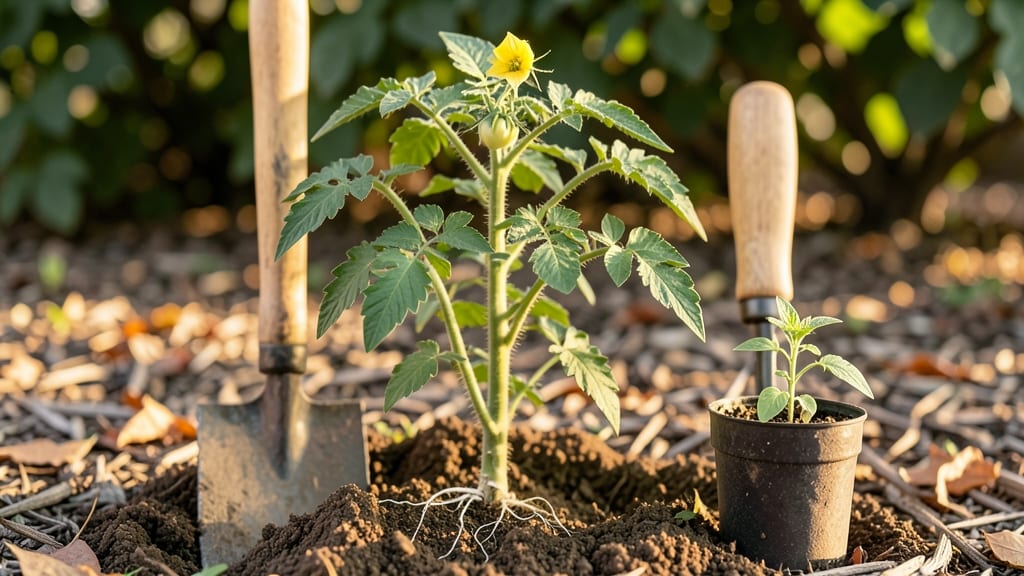
Trench planting tomatoes lets you grow more plants in less space while saving water and time—something I discovered after struggling with crowded raised beds.
The method works by planting seeds or seedlings in deep furrows instead of standard rows, letting roots spread downward where they can access moisture and nutrients without competing for surface area.
My first trench garden produced 30% more tomatoes than my usual planting, and the plants stayed healthier through summer heat.
You’ll need a shovel, compost, and a sunny spot with at least 6 hours of light daily. Dig trenches 12-18 inches deep and 12-18 inches apart, filling the bottom with a mix of compost and garden soil before placing seedlings or seeds.
This setup mimics how tomatoes grow in the wild, where roots naturally seek depth for stability and water. The best part? You’ll spend less time watering because the soil retains moisture longer.
Once planted, mound soil around stems as they grow to encourage stronger root systems. Mulch heavily with straw or grass clippings to keep soil cool and suppress weeds—my trenches stayed weed-free all season.
You’ll notice vines thicken faster and fruit sets earlier than traditional planting, with fewer issues from blight or cracking. The harvest starts just as strong as conventional methods but with half the space.
This technique works for both determinate (bush) and indeterminate (vining) varieties, though indeterminates benefit most from the extra root depth. It’s especially useful in small yards, containers, or urban gardens where space is tight.
Try it this year and watch your tomato yields climb without expanding your plot—just give the roots room to dig deep.
📚 In This Guide
- What you need
- Instructions
- Tips and common mistakes
- Wrapping up and next steps
What you need
- ● Tomato seedlings or seeds: 3–6 plants (depending on trench length; varieties like Cherry, Roma, or Beefsteak work well).
- ● Trench: A 12–18" deep, 12–18" wide trench (adjust length based on space).
- ● Compost or well-aged manure: 2–3 gallons per plant (mix with soil for nutrients).
- ● Garden soil: Loamy, well-draining soil (or potting mix if trenching in containers).
- ● Shovel or spade: For digging trenches and mixing soil.
- ● Watering can or hose: With a gentle spray nozzle for hydration.
- ○ Mulch (optional but recommended): Straw, grass clippings, or shredded leaves (2–3 inches thick).
- ● Stakes or cages: 5–6 ft tall (1 per plant to support growth).
- ● Pruning shears: For trimming suckers and shaping plants.
- ● Slow-release fertilizer (e.g., Osmoote or fish emulsion) for extra nutrients.
- ● Plant collars or tomato clips to secure stakes.
- ● Drip irrigation kit for consistent watering.
- ● Row cover or shade cloth (if planting early/late in season).
Instructions for trench planting tomatoes
This underground method saves space while giving your tomato plants room to thrive—perfect for small gardens or urban plots.
Choose and Prepare the Planting Site
Select a location with at least 6 hours of sunlight daily and well-draining soil. Trench planting works best in areas where you can dig a 12-18 inch deep furrow—this gives roots plenty of room to spread without taking up surface space. Clear the area of weeds and loosen the soil with a garden fork or tiller to a depth of 12 inches.
If your soil feels heavy or compacted, mix in a 2-3 inch layer of compost along the trench’s bottom. This improves drainage and provides nutrients for the deep-growing roots. Avoid fresh manure—it can burn tender tomato roots. Instead, opt for well-aged compost or a balanced organic fertilizer.
Dig the Trench and Plant Seedlings
Dig a trench about 12-18 inches deep and 12-18 inches wide, depending on the size of your garden. Space trenches 3-4 feet apart to allow for easy movement and airflow between plants. Place your tomato seedlings at the bottom of the trench, spacing them 18-24 inches apart—closer spacing is fine because the roots will grow downward rather than outward.
Gently loosen the roots of each seedling before placing it in the trench. This encourages them to spread quickly into the surrounding soil. Cover the roots with soil, leaving only the top few inches of the stem exposed. Press the soil lightly around the base to secure the plant without compacting it.
Fill and Mulch the Trench
Fill the trench with soil, leaving a 2-3 inch gap between the top of the trench and the ground level. This creates a slight mound that helps prevent water from pooling around the stems. Once the trench is filled, mound soil around the base of each plant to form a small hill, about 6 inches high. This technique, called "hill planting," encourages stronger root growth and stability.
Apply a 2-3 inch layer of mulch around the base of the plants, keeping it 6 inches away from the stems to prevent rot. Use straw, shredded leaves, or grass clippings—avoid wood chips, as they can compact and suffocate roots. Mulching conserves moisture, suppresses weeds, and keeps soil temperatures stable, which is especially important in trench planting where roots are deep.
Water and Maintain the Trench
Water the trench deeply right after planting to settle the soil and encourage root growth. Aim for 1-1.5 gallons of water per plant, applied slowly to allow it to soak into the soil. Avoid overhead watering, as it can spread disease. Instead, use a soaker hose or drip irrigation placed along the trench to deliver water directly to the roots.
Monitor the soil moisture by checking the top 2 inches—water again when it feels dry to the touch. Trench-planted tomatoes need consistent moisture, especially during fruiting, but avoid overwatering, which can lead to root rot. Every 3-4 weeks, add a 1-2 inch layer of compost to the trench to replenish nutrients as the plants grow.
Support and Harvest Your Tomatoes
As your tomato plants grow, they’ll need support to handle the weight of their fruit. Install cages or stakes near the base of each plant, securing them gently to avoid damaging the stems. Trench planting reduces the need for extensive staking, but support is still essential for larger varieties. Prune suckers—those small shoots that grow in the leaf axils—to direct energy toward fruit production rather than excessive foliage.
Harvest tomatoes when they reach their full color and are slightly soft to the touch. Trench-planted tomatoes often produce fruit earlier and in greater abundance because their roots have access to more soil volume. Pick regularly to encourage continuous production. By the end of the season, you’ll have a bountiful harvest from a compact footprint!
Tips & tricks for perfect trench-planted tomatoes
Here's what I've learned after years of growing tomatoes in trenches—these tricks will help you maximize your harvest while avoiding common pitfalls.
The Sunlight Factor: That "at least 6 hours of sunlight" requirement is non-negotiable, but don't stop there. South-facing locations get the most consistent sun, but if your garden is north-facing, position your trenches to catch morning sun at minimum. I've found that even 30 minutes of morning sunlight can make a difference in fruit development during cloudy periods.
Root Loosening Technique: When loosening those roots in Step 2, don't just pull them apart—gently tease them with your fingers to encourage spreading. This might seem counterintuitive, but the more you disturb the roots, the faster they'll establish themselves in the trench soil. Think of it like giving your plants a spa treatment before they settle in.
Mulch Placement Strategy: The 2-3 inch mulch layer is crucial, but placement matters just as much as thickness. Keep that mulch 6 inches away from stems to prevent rot, but don't be afraid to mound it slightly higher on the north side of plants. This creates a natural windbreak and helps maintain more consistent soil temperatures in cooler climates.
Watering Consistency: Those 1-1.5 gallons per plant right after planting might seem like a lot, but it's essential for settling the soil around deep roots. For ongoing watering, I've found that setting a timer for every 72 hours during hot weather prevents the soil from drying out too quickly. The key is deep, infrequent watering that encourages roots to grow deeper rather than staying shallow.
Pro Tips for Trench Planting Tomatoes
- Here's what I've learned after years of growing tomatoes in trenches—these tricks will help you maximize your harvest while avoiding common pitfalls.
- The Sunlight Factor: That "at least 6 hours of sunlight" requirement is non-negotiable, but don't stop there.
- Root Loosening Technique: When loosening those roots in Step 2, don't just pull them apart—gently tease them with your fingers to encourage spreading.
Frequently asked questions
Got questions about trench planting tomatoes? You’re not alone! Here are answers to the most common queries to help you grow like a pro.
What’s the best time to trench plant tomatoes?
Plant tomato trenches in early spring, about 2–4 weeks before your last frost date. This gives roots time to establish before summer heat peaks. If you’re in a warm climate, plant in late winter—just avoid soggy soil. Start with healthy seedlings or transplant young plants for a head start!
How deep should I bury my tomato plants in a trench?
Bury the stem up to ⅔ of its height (e.g., 6–12 inches deep for medium plants). This encourages stronger root growth and stability. Leave only the top few leaves above soil level. Pro tip: Gently loosen roots before planting to help them spread faster!
Will trench planting work for all tomato varieties?
Most varieties thrive in trenches, but indeterminate tomatoes (like cherry or beefsteak) benefit the most due to their vining growth. Determinate types (bush varieties) can work too, but they may need slightly shallower trenches. Avoid delicate heirlooms with thin stems—they need extra support.
What if my trench-planted tomatoes look stressed or wilt?
Wilting can mean overwatering, poor drainage, or root shock. Check soil moisture—trenches should stay consistently moist but not soggy. If leaves yellow, it might be nitrogen deficiency; add compost or a balanced fertilizer. Mulch heavily to retain moisture and reduce stress.
Can I trench plant tomatoes in containers or raised beds?
Yes! Use deep containers (18+ inches) or raised beds with trenches dug along the sides. Fill with well-draining soil and mix in compost. Just ensure containers have drainage holes to prevent root rot. For raised beds, space trenches 12–18 inches apart to avoid overcrowding.
Wrapping up and next steps
Trench planting tomatoes isn’t just a clever way to save space—it’s a game-changer for maximizing your harvest in small gardens or urban plots.
By leveraging the earth’s natural insulation and moisture retention, you’ll enjoy healthier plants, fewer weeds, and juicier tomatoes all season long. Your next step? Grab your shovel, mark that trench, and let the underground magic begin—your future tomato feast is waiting! 🍅✨