
Pruning
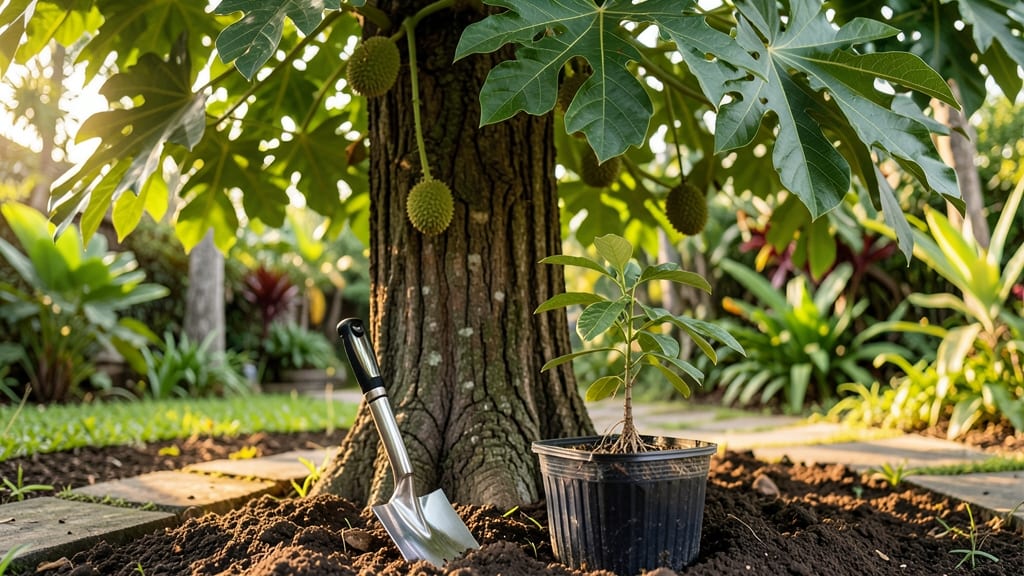
Planting a jackfruit tree means bringing a taste of the tropics to your backyard—if you live in zones 10-12 or can grow it in containers elsewhere. 🌿 I’ve watched my own jackfruit tree go from a curious seedling to a heavy-fruiting powerhouse, and the secret isn’t just heat and humidity—it’s the right soil, spacing, and early care that makes all the difference.
The first rule? Don’t rush it. Jackfruit seedlings need well-draining soil mixed with compost, and a spot with full sun (at least 6-8 hours daily). If you’re in a cooler climate, start with a 5-gallon container and move it indoors when temps drop below 50°F.
The roots are sensitive, so dig a hole twice as wide as the root ball but only as deep—planting too deep drowns them.
After planting, water deeply once a week for the first month, then taper off as the tree establishes. The real magic happens in the first year: if you prune back any leggy growth now, you’ll encourage a stronger, bushier structure later.
By summer, you’ll spot those signature large, glossy leaves—a sure sign it’s thriving.
Here’s the kicker: jackfruit trees take 3-5 years to fruit, but the payoff is worth it. With the right spot and care, you’ll be harvesting foot-long fruits that taste like a mix of pineapple, banana, and mango. Let’s get those roots in the ground!
📚 In This Guide
- What you need
- Instructions
- Tips and common mistakes
- Wrapping up and next steps
What you need
- ● Jackfruit seeds: 1–3 fresh, viable seeds (harvested from ripe fruit or purchased from a nursery). Pro tip: 💡 Soak seeds in warm water for 24 hours to speed up germination!
- ● Well-draining potting mix: 5–10 gallons (for container planting) or 2–3 cubic yards (for in-ground planting). Use a blend of 60% topsoil, 20% compost, and 20% perlite/sand.
- ○ Large container (optional for early growth): 15–20 gallon pot with drainage holes (if planting in a pot). Pro tip: 🌡️ Jackfruit trees grow fast—upgrade to a 55+ gallon pot within 1–2 years!
- ● Shovel or trowel: For digging holes (12–18 inches wide and deep for in-ground planting).
- ● Mulch: 2–3 inches of organic mulch (e.g., wood chips or straw) to retain moisture.
- ● Watering can or hose: With a gentle spray nozzle for hydration.
- ● Fertilizer (balanced, slow-release): 10-10-10 or 8-3-9 formula (apply at planting and again in 3 months).
- ● Tree support stake (for young saplings in windy areas).
- ● Pruning shears (for shaping as the tree matures).
- ● Soil pH test kit (ideal range: 6.0–7.5; amend with lime if needed).
- ● Drip irrigation system (for consistent moisture in hot climates).
- ● Shade cloth (to protect young seedlings from intense sun).
Step-by-Step instructions for planting jackfruit trees
Here’s how to plant your jackfruit trees for maximum growth and fruit production.
🌱 Step 1: Choose the Right Location and Prepare the Soil
Jackfruit trees thrive in full sun—select a spot that receives at least 6-8 hours of direct sunlight daily. They also need well-draining soil with a slightly acidic to neutral pH (6.0-7.0). Before planting, amend heavy or clay soil with 3-4 inches of compost to improve aeration and fertility. If your soil is sandy, mix in 1-2 inches of organic matter like leaf mold or aged manure to retain moisture.
Dig a hole twice as wide as the tree’s root ball but only as deep as the container it came in. This prevents burying the graft union (if present) or the trunk flare, which can cause rot. Loosen the sides of the hole to encourage root spread. If planting in a warm climate, avoid planting during peak summer heat—opt for early spring or fall when temperatures are mild.
🪴 Step 2: Plant the Tree at the Correct Depth
Remove the tree from its container and gently loosen the roots if they’re circling. Place it in the hole so the top of the root ball sits level with the surrounding soil—never deeper. Backfill with the native soil mixed with 1-2 inches of compost to blend nutrients seamlessly. Press lightly around the base to eliminate air pockets but avoid compacting the soil.
Water deeply right after planting to settle the soil and eliminate gaps. You’ll know it’s right when water drains freely from the hole and the soil surface looks slightly damp but not soggy. Mulch the base with 2-3 inches of organic mulch (like wood chips or straw) to retain moisture and regulate soil temperature. Keep mulch 6 inches away from the trunk to prevent rot.
☀️ Step 3: Establish a Watering and Fertilizing Routine
Jackfruit trees need consistent moisture during their first year, especially in hot climates. Water deeply 2-3 times per week until the soil is 6-8 inches deep and moist. Check moisture by sticking your finger into the soil—if it feels dry at 2 inches down, it’s time to water. Avoid wetting the leaves to prevent fungal diseases like anthracnose.
Fertilize lightly 4-6 weeks after planting with a balanced, slow-release fertilizer (10-10-10 or similar). Apply half the recommended dose to avoid burning young roots. Follow up with a potassium-rich fertilizer (like 0-0-50) 3 months later to support early growth. Over-fertilizing can lead to excessive leafy growth at the expense of fruit production—stick to the low-and-slow approach.
✂️ Step 4: Prune for Structure and Airflow
Once your jackfruit tree reaches 3-4 feet tall, start pruning to encourage a strong, open canopy. Remove any dead, diseased, or crossing branches first—these compete for resources and block sunlight. Thin out 10-20% of the foliage to improve airflow, which reduces humidity-related diseases. Prune in late winter or early spring before new growth begins.
Never remove more than 25% of the canopy in a single pruning session, or you’ll stress the tree. Focus on shaping the tree rather than aggressive cutting—jackfruit trees naturally grow large, so aim for a balanced, rounded form. Avoid pruning during wet weather, as open wounds are more susceptible to infection.
🌿 Step 5: Monitor for Pests and Diseases
Jackfruit trees are relatively pest-resistant, but watch for aphids, mealybugs, or scale insects, which thrive in warm, humid conditions. Inspect leaves weekly—look for sticky residue (honeydew) or yellowing leaves, which signal infestations. Treat lightly with neem oil or insecticidal soap if needed. For fungal issues like root rot or powdery mildew, improve drainage and avoid overhead watering.
Young trees may struggle in high winds or heavy rains, so consider staking if your region experiences storms. Mulch helps stabilize soil moisture, but never pile it against the trunk—keep it in a donut shape to prevent rot. With proper care, your jackfruit tree will reward you with fragrant flowers and massive fruit in 3-5 years.
Tips & tricks for perfect jackfruit tree planting
Growing a thriving jackfruit tree starts with these essential insights that'll help you avoid common pitfalls and maximize your tropical fruit's potential.
Soil Preparation Secret: In Step 1, when amending heavy clay soil with 3-4 inches of compost, I recommend adding a handful of perlite or vermiculite to the mix. This creates tiny air pockets that improve drainage while maintaining moisture retention—critical for jackfruit roots that hate soggy conditions. For sandy soils, incorporate 1-2 inches of coconut coir along with the organic matter to help retain water without compacting.
Root Ball Technique: When planting in Step 2, gently tease the roots at the bottom of the root ball to encourage outward growth rather than circling. I've found that making 2-3 small vertical cuts along the bottom with a clean knife (without damaging major roots) helps establish a stronger root system. This is especially important if you notice tightly packed roots when removing the tree from its container.
Watering Wisdom: The 2-3 times per week watering schedule in Step 3 works best when you water deeply—aim for about 1 gallon per watering for young trees. I use a soil moisture meter to check that moisture reaches the full 6-8 inches depth. A simple trick: water until you see moisture emerge from the drainage holes at the bottom of the planting hole, then stop. This ensures proper saturation without waterlogging.
Fertilizer Timing: For Step 3's fertilization schedule, I recommend splitting the initial 4-6 week application into two doses—half at planting and half at the 4-week mark. This gradual introduction prevents root burn while still providing nutrients. When applying the potassium-rich fertilizer at 3 months, I mix it directly into the top 2 inches of soil rather than broadcasting, which helps prevent leaf scorch from concentrated salts.
Pro Tips for Planting Jackfruit Tree
- Growing a thriving jackfruit tree starts with these essential insights that'll help you avoid common pitfalls and maximize your tropical fruit's potential.
- Soil Preparation Secret: In Step 1, when amending heavy clay soil with 3-4 inches of compost, I recommend adding a handful of perlite or vermiculite to the mix.
- Root Ball Technique: When planting in Step 2, gently tease the roots at the bottom of the root ball to encourage outward growth rather than circling.
Frequently asked questions
Got questions about growing your own jackfruit tree? Here are some of the most common ones—plus straightforward answers to help you succeed!
How long does it take for a jackfruit tree to bear fruit?
A jackfruit tree typically takes 3 to 5 years to produce fruit from seed, though grafted trees may bear fruit in as little as 2 years. Patience is key—young trees focus on root and canopy growth before flowering. In warmer climates, you might see early blooms, but fruit production peaks after the tree is well-established (around 5–7 years).
What’s the best time of year to plant a jackfruit tree?
The ideal planting window is during the early rainy season or late dry season (spring to early summer in most tropical zones). This gives roots time to establish before extreme heat or cold. Avoid planting during heavy rains or frost-prone months. If you’re in a drier climate, soak the soil and mulch heavily to retain moisture while the tree adjusts.
Can I grow a jackfruit tree from seed, or should I buy a grafted sapling?
You can grow from seed, but the fruit may not match the parent tree’s quality or flavor. Seeds produce wild-type jackfruit with smaller, less sweet fruit and slower growth. For faster, higher-quality results, opt for a grafted sapling from a reputable nursery. Grafted trees also resist disease better and bear fruit sooner.
Why are my jackfruit tree leaves turning yellow or dropping?
Yellowing leaves (chlorosis) often signal nutrient deficiencies (like nitrogen or magnesium) or overwatering. Check the soil—jackfruit trees prefer well-draining, slightly acidic soil (pH 6.0–7.0). Brown edges on leaves may mean underwatering or salt buildup, while sudden leaf drop could indicate root rot (common in soggy soil). Adjust care and monitor for pests like aphids or mites.
Can jackfruit trees grow in containers, or do they need to be planted in the ground?
Young jackfruit trees can thrive in large containers (15+ gallons) for 1–2 years, but they’re not long-term container plants. Their extensive root systems need deep, fertile soil to support fruit production. If container-grown, use a fast-draining mix (like coconut coir + perlite) and fertilize monthly. For best results, transplant to the ground once the tree outgrows its pot (usually within 2–3 years).
Wrapping up and next steps
Planting a jackfruit tree is a rewarding journey that brings tropical beauty and delicious fruit to your backyard—if you’re in the right climate! 🌴 With the right soil, sunlight, and care, you’ll soon enjoy lush foliage and sweet rewards.
Start small, stay patient, and don’t forget to prune for optimal growth.
Ready to take the next step? Pick a sunny spot, gather your tools, and get planting! Your future jackfruit harvest awaits!