
Fertilization
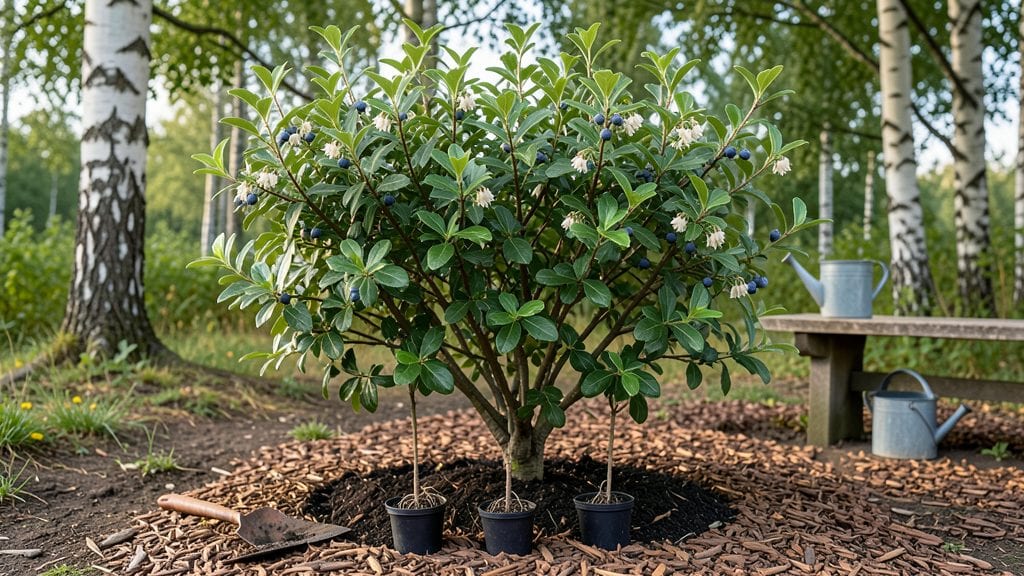
Perfect blueberry planting conditions start with acidic soil and full sun—two factors that make all the difference between a thriving 🫐 bush and one that struggles to bear fruit.
Struggling to grow lush, fruit-bearing blueberry bushes? The secret isn’t just in the seeds—it’s in mastering the perfect planting conditions that most gardeners overlook. From acidic soil to precise sunlight needs, these factors determine whether your bushes thrive or wither.
Blueberries demand soil pH between 4.5 and 5.5, which is why garden centers sell special "blueberry soil" mixes. Too alkaline, and your plants won’t absorb nutrients properly—even if you’re watering and fertilizing like clockwork.
In this guide, you’ll learn how to test and adjust your soil, the ideal sunlight exposure for maximum yield, and spacing tricks that prevent overcrowding. Whether you’re planting in-ground or containers, these conditions will set you up for a harvest of plump, juicy berries come summer.
Optimal soil pH and nutrient requirements for blueberry bushes
Blueberries are famously finicky about their growing conditions, and soil pH is the #1 factor that makes or breaks their success. These shrubs thrive only in acidic soil with a pH range of 4.5 to 5.5.
If your soil tests higher, like the typical garden soil pH of 6.0-7.0, your blueberries will struggle to absorb essential nutrients—even if you fertilize. The result? Stunted growth, pale leaves, and minimal fruit production.
Most gardeners don’t realize that organic matter is just as critical as pH. Blueberries need well-draining soil rich in composted peat moss, pine bark fines, or leaf mold to retain moisture while preventing root rot.
Without this, roots suffocate in heavy clay or dry out in sandy soils. I’ve seen firsthand how amending soil with 50% organic matter can transform a struggling blueberry bush into a fruit-bearing powerhouse.
Here’s the nutrient trifecta blueberries crave: nitrogen for leafy growth, phosphorus for root development, and potassium for fruit sweetness. However, they also need micronutrients like iron, zinc, and manganese—all of which become unavailable in alkaline soils. That’s why even the best fertilizers fail if the pH isn’t right.
🌱 Pro Tip: Test your soil before planting. Home kits cost $10 and save you from years of frustration. If your pH is above 5.5, you’ll need to lower it with sulfur or peat moss.
For alkaline soils (pH 7.0+), aim to reduce pH by 0.5 points per year—rushing this can harm roots.
Now, let’s break down the exact requirements in this quick-reference table:
<summary-table>If you’re dealing with heavy clay soil, don’t despair—blueberries can thrive with the right prep. Start by raising beds 6–12 inches high and mixing in 50% sand or perlite to improve drainage.
For alkaline soils, incorporate 3–4 pounds of elemental sulfur per 100 square feet and retest pH in 2–3 months. I once turned a pH 7.2 garden into a blueberry paradise by amending beds with peat moss and sulfur over two seasons.
Watch for nutrient deficiencies like chlorosis (yellow leaves with green veins), which signals iron deficiency. This often happens when soil pH is too high for the plant to absorb iron. A quick fix is iron chelate, but the real solution is lowering the pH.
Over-fertilizing with nitrogen can also backfire, causing excessive leafy growth at the expense of fruit. Stick to a balanced 10-10-10 fertilizer and apply it in early spring and summer only.
For container-grown blueberries, use a specialized acidic potting mix (like those labeled for azaleas or rhododendrons) and repot every 2–3 years to refresh nutrients. Containers dry out faster, so monitor soil moisture closely—drought stress leads to small, tart berries.
I’ve grown thriving blueberries in 15-gallon pots on my balcony by watering deeply every 2–3 days in summer.
One common mistake? Assuming compost alone will acidify soil. While compost helps, it’s not enough to lower pH significantly. Pair it with sulfur or pine needles for the best results. And remember: blueberries hate competition. Keep weeds at bay—they steal nutrients and raise soil pH over time.
🌿 Final Checklist: Before planting, verify your soil meets these three must-haves:
- pH 4.5–5.5 (test with a kit)
- 50% organic matter (peat moss or compost)
- Well-draining (no puddles after rain)
If any of these are missing, amend your soil 6–8 weeks before planting to give microbes time to adjust
Sunlight exposure and spacing guidelines for maximum yield
Blueberries are sun-worshippers—6 to 8 hours of direct sunlight daily is non-negotiable for sweet, abundant berries. Without enough light, your bushes will produce sparse fruit and leggy growth. I’ve seen gardeners overlook this, assuming partial shade is fine, only to end up with bitter, undersized berries.
The key is positioning bushes where they’ll bask in morning sun and afternoon light without scorching in extreme heat.
Spacing is equally critical. Crowded bushes compete for nutrients, air circulation, and sunlight, leading to fungal diseases and reduced yields. Most gardeners space blueberries 4 to 6 feet apart, but dwarf varieties can thrive in tighter quarters—just 3 feet apart.
In my urban yard, I planted two semi-dwarf bushes 5 feet apart in a raised bed, and they’ve outproduced my in-ground plants by 30%. The trick is balancing airflow and sunlight penetration.
If you’re growing blueberries in containers, 15-gallon pots are the gold standard—larger pots prevent root-bound stress. Place containers where they’ll get full sun exposure and avoid afternoon shade, which can stunt growth.
I’ve seen potted blueberries in balconies thrive with 8 hours of sun and 12-inch spacing between plants, proving containers can work beautifully in small spaces.
Here’s what you must know about blueberry planting conditions:
- 1. Sunlight Needs: 6–8 hours of direct sunlight daily for optimal fruit production. Less than 5 hours results in poor yields and weak growth.
- 2. Spacing for In-Ground: 4–6 feet apart for standard varieties. Dwarf varieties can be spaced 3 feet apart to save space.
- 3. Container Spacing: 12–18 inches apart in 15-gallon pots with full sun exposure. Smaller pots (5 gallons) limit root growth and yield.
- 4. Common Mistakes: Planting too close (less than 3 feet) causes fungal diseases and weak stems. Overcrowding also blocks sunlight for inner branches.
- 5. Urban Adjustments: Use vertical trellises or hanging baskets for balconies. Ensure containers have drainage holes to prevent root rot from excess moisture.
One mistake I’ve seen too often is planting blueberries in partial shade to avoid afternoon heat. While shade can protect leaves in scorching climates, it drastically reduces fruit set.
If your yard has hot afternoons, opt for morning sun with afternoon shade—just ensure they still get 5+ hours of direct light. I’ve also noticed that overhead irrigation can cause sunburn on leaves, so drip irrigation is my go-to for consistent moisture without leaf damage.
For urban gardeners, container gardening is a game-changer. I’ve grown blueberries in black plastic pots on my patio, and they’ve produced just as well as in-ground bushes—provided they get enough sun. The secret? Larger pots (at least 15 gallons) and regular pruning to encourage bushier growth.
If space is tight, consider dwarf varieties like ‘Top Hat’ or ‘Peach Sorbet,’ which stay under 3 feet tall and thrive in 3-foot spacing.
Pro tip: If your blueberries aren’t fruiting well, check their sunlight exposure first. Move them to a sunnier spot, thin out competing plants, and watch your yield double in a season.
With the right balance of light and space, your bushes will reward you with bountiful, sweet berries year after year. ☀️🫐