
Diseases
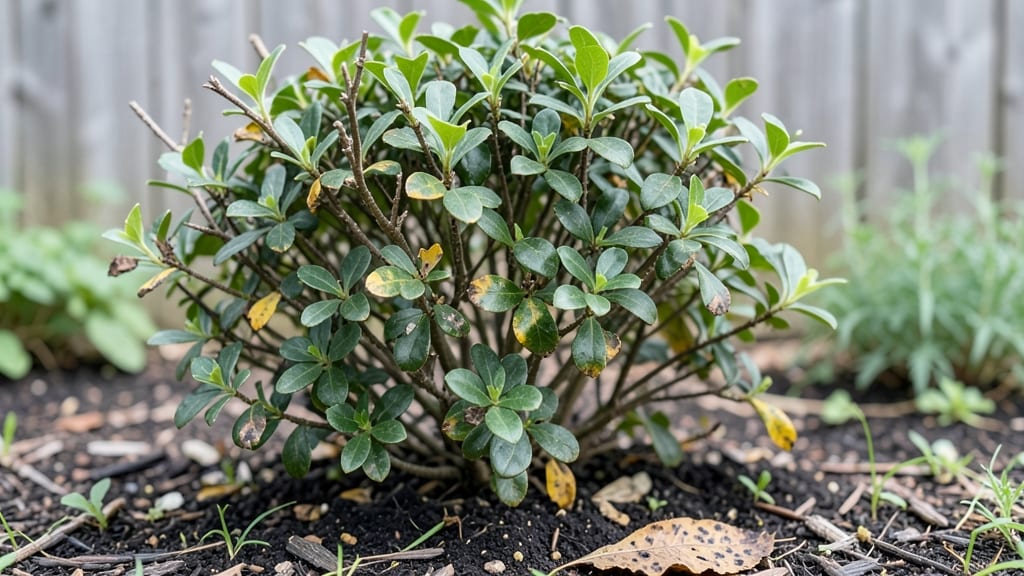
Boxwood plant diseases can turn your thriving shrubs from lush and green to sad and spotted in just weeks—if you don’t catch those first warning signs early. 🌿 I’ve seen entire hedges turn brown and brittle because someone missed the first tiny yellow spots or... the weird powdery coating.
The key is knowing what to look for before the disease takes hold.
Most boxwood diseases start with moisture—too much rain, poor drainage, or even overhead watering creates the perfect breeding ground. Box blight, leaf spot, and root rot each have their own sneaky symptoms: dark streaks on leaves, tiny black dots, or stems that ooze when you touch them.
The good news? Catching them early means you can save your plants with simple fixes—like pruning infected branches or switching to drip irrigation.
You’ll learn how to spot each disease before it spreads, plus the right treatments for your situation. For mild cases, neem oil or copper fungicide works wonders. Severe infections might need stronger chemicals, but we’ll cover when to call in a pro.
The goal? Keeping your boxwoods healthy, dense, and free of those ugly brown patches.
This works for both shrubs and hedges, no matter your climate. Once you recognize the red flags, you’ll protect your plants year after year—no more mystery wilting or sudden dieback. Let’s get those boxwoods back to their best.
Root Causes Of Boxwood Woes
Boxwoods are prized for their lush, evergreen foliage and structured shapes, but they’re also vulnerable to a range of diseases that can turn your garden gem into a sad, sickly shadow of its former self.
Understanding why these issues arise is the first step in prevention and treatment. Let’s break down the science behind the most common culprits.
Fungal diseases are the #1 cause of boxwood decline, thriving in moist, shaded conditions where airflow is poor. Here’s how they strike:
- Volutella Blight (Leaf Spot)
This fungal pathogen (Volutella buxi) attacks weakened boxwoods, often after stress from drought, poor soil, or physical damage. Spores splash onto leaves in wet weather, forming dark, circular spots with yellow halos. Over time, these spots expand, causing defoliation and dieback.
- Boxwood Blight (Cylindrocladium)
A highly contagious disease caused by Cylindrocladium buxicola, this fungus spreads via water, tools, or infected plants. It targets leaves, stems, and even roots, creating dark, greasy-looking spots that ooze spores in damp conditions. Unlike other fungi, it can survive in soil for years, reinfecting healthy plants.
- Root Rot (Phytophthora)
Overwatering or poorly drained soil creates the perfect breeding ground for Phytophthora fungi. These pathogens attack roots, cutting off water and nutrient uptake. Symptoms include yellowing leaves, wilting, and a foul-smelling, mushy root system. Unlike drought stress, root rot strikes even when the soil feels moist.
💡 Pro Tip: Fungi love humidity—prune for airflow, water at the base (not overhead), and avoid mulching too thickly near stems to disrupt their lifecycle.
Some pests don’t just munch on boxwoods—they carry fungal spores or create wounds that invite infection. Here’s how they team up with disease:
- Boxwood Leafminer
These tiny larvae (Monarthropalpus buxi) burrow into leaves, creating blistered, white trails. While the miners themselves cause damage, their feeding weakens the plant, making it more susceptible to fungal infections like Volutella blight.
- Scale Insects & Mealybugs
These sap-sucking pests excrete honeydew, a sticky residue that fosters sooty mold—a black fungal growth. Sooty mold doesn’t kill boxwoods directly but blocks sunlight, stressing the plant and opening the door for more serious diseases.
- Japanese Beetles
Though they don’t carry disease, their skeletonizing of leaves removes the plant’s protective barrier. Chewed foliage is more prone to fungal infections, especially in humid conditions.
🔥 Action Step: Monitor for pests early—use insecticidal soap for soft-bodied bugs or neem oil to deter beetles before they cause irreversible damage.
Boxwoods aren’t just victims of pathogens—they’re collateral damage in a chain reaction of environmental stressors. Here’s how conditions set the stage for disease:
| Factor | How It Weakens Boxwoods | Disease Risk |
|---|---|---|
| Poor Air Circulation | Tightly planted boxwoods or dense hedges trap moisture, creating a fungal paradise. | Volutella blight, Boxwood blight |
| Overwatering | Waterlogged soil suffocates roots, inviting Phytophthora and other root-rotting fungi. | Root rot, stem canker |
| Nutrient Deficiencies | Low nitrogen or iron leads to thin, yellowing leaves, which are easier targets for pathogens. | Leaf spot diseases, general decline |
| Physical Damage | Pruning cuts or hail wounds create entry points for fungi like Cylindrocladium. | Boxwood blight, stem dieback |
✨ Prevention Hack: Mimic natural conditions—space plants 3–4 feet apart, water deeply but infrequently, and fertilize with a balanced 10-10-10 formula in early spring to boost resilience.
By tackling these root causes—fungal pressure, pest partnerships, and environmental stress—you’ll disrupt the cycle that leads to boxwood diseases. The key? Act before symptoms appear.
Quick Fixes for Boxwood Ailments
Boxwoods are tough plants, but even the hardiest can fall prey to diseases like volutella blight, box blight, or root rot—especially when conditions are damp, crowded, or nutrient-poor. The good news?
Most issues are manageable with the right approach. Below, we’ll tackle the most common problems with practical, step-by-step solutions and prevention tips to keep your boxwoods thriving.
👨🍳 Cause: Fungal spores spread by splashing water, infected pruners, or wind. 🍳 Fix It Fast:
- Prune & Remove Infected Parts 🔪
- Cut off
- Sterilize pruners with 70% rubbing alcohol or a 10% bleach solution between cuts to prevent spread.
- Apply Fungicide ⚗️
- Spray with a
- For severe cases, add a second fungicide (e.g., chlorothalonil) to break the fungus’s resistance.
- Improve Airflow & Drainage 🌬️💧
- Thin out dense foliage to reduce humidity.
- Amend soil with
💡 Prevention Pro Tips: ✔ Water at the base (avoid overhead sprinklers). ✔ Space plants 3–4 feet apart (crowding = fungus paradise). ✔ Clean up fallen leaves (they harbor spores).
👨🍳 Cause: Overwatering, poor drainage, or contaminated tools. 🍳 Fix It Fast:
- Drain & Aerate the Soil 🏗️
- Dig around roots to check for
- If roots are black/mushy, repot or replace the plant (fungus is systemic).
- Fungicide Treatment 🛡️
- Use
- Apply every 7–10 days until new growth appears.
- Adjust Watering Habits 💧
- Water
💡 Prevention Pro Tips: ✔ Test soil drainage—if water pools after 30 mins, improve soil mix. ✔ Disinfect tools after each use (even for "healthy" plants). ✔ Avoid mulch piles near the stem (traps moisture).
👨🍳 Cause: Waterlogged soil, poor drainage, or over-potting. 🍳 Fix It Fast:
- Repot or Refresh Soil 🏺
- Remove the plant,
- If repotting isn’t an option, top-dress with fresh mix and improve drainage.
- Fungicide Soak 🛁
- Soak roots in
- Replant with fungicide granules (e.g., Subdue) in the soil.
- Stop Overwatering ⏰
- Let soil dry
- If in containers, add drainage holes and a cache pot (gravel at the bottom).
💡 Prevention Pro Tips: ✔ Raise containers on feet or use saucers with drainage holes. ✔ Avoid heavy clay pots (retain too much moisture). ✔ Mulch lightly (1–2 inches max) to prevent soil compaction.
No matter the issue, prevention is your best tool. Follow this monthly checklist to keep boxwoods healthy:
| Task | When | How |
|---|---|---|
| Inspect for spots | Weekly (spring–fall) | Check undersides of leaves & stems. |
| Sterilize tools | Before/after use | 70% alcohol or bleach soak. |
| Prune for airflow | Early spring | Thin out 1/3 of dense growth. |
| Soil test | Fall | Check pH (6.0–7.0 ideal) & drainage. |
| Fungicide preventative | Early spring/fall | Apply copper fungicide as a spray. |
✨ Final Tip:* If a boxwood is beyond saving, remove it immediately—fungus can jump to nearby plants in days. Replace with resistant varieties like ‘Green Velvet’ or ‘Winter Gem’ for better defense.
With these fixes, your boxwoods will bounce back—stronger, healthier, and disease-free! 🌿💪
Frequently asked questions
What are the first signs my boxwood shrubs might have a fungal disease?
Watch for tiny dark spots with yellow borders on leaves, or black streaks along stems—these are classic early warnings. Check undersides of leaves too, where fungal spores often hide. If you see powdery coatings or mushy stems, it’s likely a serious infection needing immediate action.
Can I save a boxwood that’s already lost most of its leaves?
It depends! If the roots are still firm (not mushy) and stems are green underneath, prune back 1/3 of the plant to reduce stress, then treat with fungicide. For severe cases, consider replacing it—some diseases like box blight can linger in soil for years. Always sterilize tools before pruning remaining healthy plants.
How often should I apply fungicide to prevent diseases?
For prevention, spray with a copper-based fungicide every 4-6 weeks during growing season (spring-fall). If your area has had outbreaks, apply neem oil as a natural alternative every 2 weeks during rainy periods. Always follow label instructions for timing and concentration.
Are some boxwood varieties more disease-resistant than others?
Yes! Cultivars like 'Green Velvet' and 'Winter Gem' show better resistance to common diseases. If your current plants keep getting sick, consider replacing them with these varieties—they’ll need less maintenance and fungicide treatment over time.
What’s the fastest way to sterilize pruning tools between cuts?
Wipe blades with 70% rubbing alcohol or soak in a 10% bleach solution (1 part bleach to 9 parts water) for 30 seconds between cuts. For field use, carry a small spray bottle with alcohol—it’s quicker and safer than bleach for frequent sterilization.