
Pests and Diseases
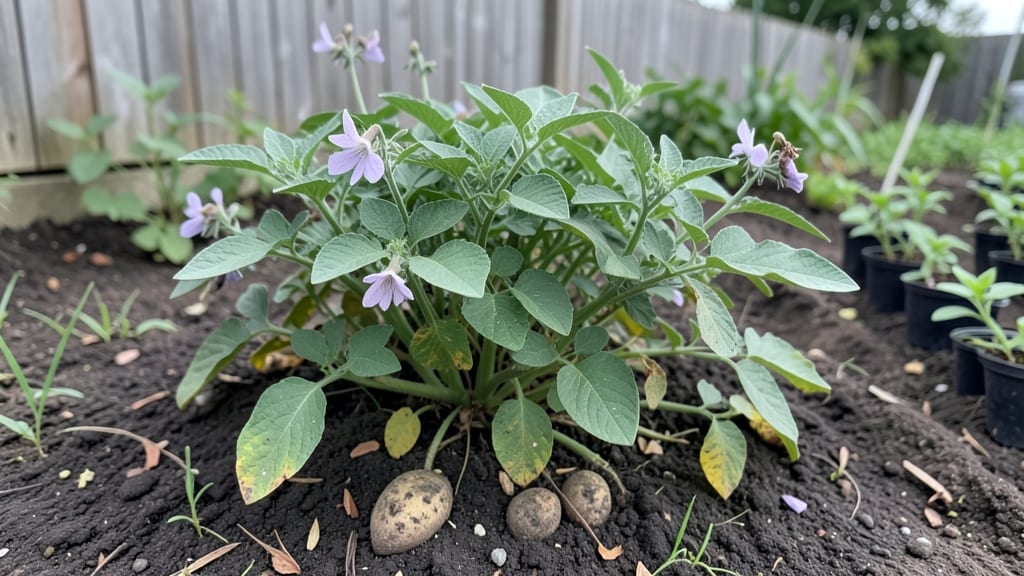
You shouldn't plant peppers and potatoes together because they share the nightshade family's vulnerabilities, including Colorado potato beetles and nutrient competition, which increases disease risk. Instead, pair peppers with basil, onions, or marigolds for healthier growth.
These two crops compete for the same nutrients in overlapping root zones, weakening both plants. 🌱 The Colorado potato beetle, a common pest, targets both peppers and potatoes, making them vulnerable to infestations.
I’ve seen gardens where this combo led to stunted growth and higher susceptibility to fungal diseases like blight. Instead of planting them together, consider separating them by at least 3 feet or using raised beds to minimize shared stress.
For even better results, pair peppers with herbs like basil or oregano—their strong scents naturally repel pests. Potatoes, on the other hand, thrive when planted near corn or beans, which improve soil structure and deter pests. This separation not only boosts yields but also reduces the need for chemical interventions.
💡 In This Article
- Why Peppers and Potatoes Shouldn’t Grow Together
- Best Companion Plants for Peppers and Potatoes
Why peppers and potatoes shouldn’t grow together
The nightshade family—including peppers, potatoes, tomatoes, and eggplants—shares a critical vulnerability: they all produce solanine, a natural toxin that deters pests but also makes them attractive targets for specific insects.
The Colorado potato beetle, for instance, has evolved to detect and feed on these plants, leading to devastating defoliation if left unchecked. When peppers and potatoes grow side by side, they create a double buffet for these pests, accelerating damage and reducing yields by up to 40% in mixed plantings.
Beyond pests, these crops compete aggressively for nitrogen and potassium, two nutrients essential for both healthy foliage and fruit production. Potatoes, with their extensive root systems, can deplete soil nutrients in a 12-inch radius around each tuber, while peppers, though less aggressive, still demand significant resources.
This competition weakens both plants, making them more susceptible to verticillium wilt and early blight, two soil-borne diseases that thrive in stressed nightshade plants. 🌱 The overlapping root zones create ideal conditions for fungal spores to spread between plants.
Another hidden risk is the soil depletion cycle these plants create. Potatoes, being heavy feeders, exhaust phosphorus and potassium reserves, while peppers—though lighter—still benefit from balanced soil. When planted together, the soil’s ability to recover between harvests is compromised, leading to a gradual decline in fertility over multiple growing seasons.
This is why experienced gardeners often rotate nightshades with legumes or brassicas, which replenish nitrogen and break disease cycles.
Consider the Colorado potato beetle’s life cycle as a case study: Adults lay eggs on the undersides of leaves, and larvae emerge to devour foliage. Both peppers and potatoes offer identical food sources, so beetles don’t need to search far.
A single infestation can strip a plant of leaves in 10-14 days, halting photosynthesis and stunting growth. The beetles also spread bacterial wilt, a fatal disease that clogs plant vascular systems, turning leaves yellow and stems hollow.
To mitigate these risks, separate peppers and potatoes by at least 3 feet or plant them in different beds. This spacing disrupts pest movement and reduces nutrient competition. Raised beds or container gardening are even better solutions, as they allow for better soil control and drainage. 💫 The key takeaway?
Nightshades may look like natural partners, but their shared vulnerabilities make them far more effective when grown apart.
For a deeper dive, observe how companion planting with non-nightshades—like planting peppers near basil or marigolds—can repel pests naturally. These pairings create a diverse ecosystem that disrupts pest life cycles while improving soil health through varied root structures.