
Pruning
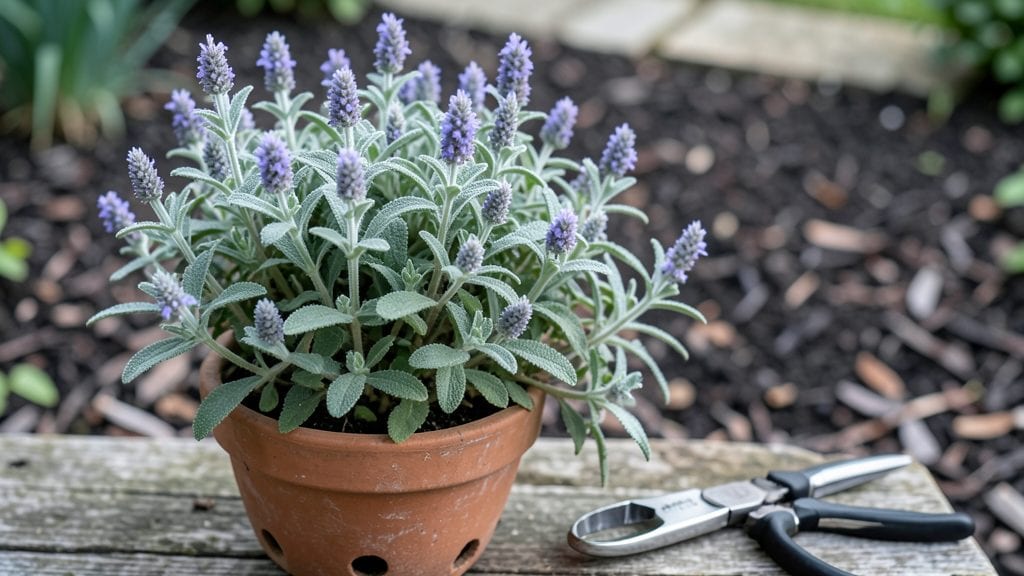
Catmint pruning is the secret to those neighborhood-envy purple blooms that last all summer—and the two cuts I make each year keep my plants looking fresh and flowering like crazy.
I used to let mine get leggy by August, but after learning this simple timing trick, my catmint now blooms from early June until frost. The key is cutting back twice: once in late spring to shape the plant, and again in early fall to prep for next year’s growth.
You only need three basic tools: sharp pruning shears, gardening gloves (catmint can be scratchy!), and a small bucket for trimmings. The real trick is knowing when to cut—not just randomly snipping.
After the first flush of blooms in spring, I trim back about one-third of the plant’s height to encourage bushier growth. Then in late summer, I cut back any dead or woody stems to keep the plant tidy and ready for another round of blooms in cooler weather.
What you’ll end up with is a compact, vibrant plant that doesn’t flop over in summer heat and keeps producing flowers instead of just leaves.
The foliage stays fragrant, the blooms stay dense, and you avoid that sad, overgrown look that makes catmint seem like a one-time summer fling instead of a perennial workhorse.
Plus, those spent blooms won’t turn into seed heads that look like they belong in a wild meadow—your plant stays neat and intentional.
This method works for all catmint varieties, whether you’re growing the classic ‘Walker’s Low’ or the taller ‘Blue Spires.’ The only real mistake is waiting too long—once the plant gets too woody, it’s harder to revive.
But with these two cuts, you’ll have catmint that looks like it belongs in a pro garden, not just your backyard. Ready to give it a try?
📚 In This Guide
- What you need
- Instructions
- Tips and common mistakes
- Wrapping up and next steps
What you need
- ● Bypass pruners – Sharp, clean bypass pruners (4- to 6-inch blades) for precise cuts. Pro tip: 💡 Sterilize with rubbing alcohol before and after use to prevent disease!
- ● Hand pruners – A smaller pair (3-inch blades) for trimming delicate stems or hard-to-reach spots.
- ● Gloves – Heavy-duty gardening gloves (nitrile-coated for grip) to protect against thorns and sap.
- ● Sharp pruning saw – Only if your catmint has woody stems thicker than ½ inch.
- ● Disinfectant spray (70% isopropyl alcohol or hydrogen peroxide) to clean tools between cuts.
- ● Garden shears for bulkier foliage (if pruning large patches).
- ● Compost bin or bag to collect pruned stems for nutrient recycling.
- ● Spray bottle with water to mist tools and cuts if working in dry conditions.
- ● ✅ Best time to prune: Early spring (just as new growth starts) and late summer (after first bloom cycle).
- ● ✅ Weather check: Prune on a dry, overcast day to reduce stress on the plant.
- ● ✅ Safety first: Wear sunglasses if your catmint is near reflective surfaces (some varieties can be invasive!).
Step-by-Step instructions for pruning catmint for continuous blooms
Here's how to keep your catmint thriving with just two simple seasonal cuts.
First Trim After Initial Flowering
Once your catmint finishes its first flush of blooms—typically in early summer—it’s time for the first cut. Wait until about half the flowers have faded, but don’t let them all go to seed. This ensures the plant has stored enough energy for a second bloom cycle.
Use clean, sharp pruning shears to cut back the stems by about one-third of their height. Focus on removing spent flowers first, then trim just above a set of healthy leaves. This encourages new growth from lower buds, which will produce fresh flowers in 4-6 weeks. Avoid cutting into old wood—you’ll know it when the stems feel woody and bare.
Late-Summer Renewal Cut
By late summer, your catmint may look tired after its second bloom. This is the perfect time for a light renewal trim to prepare for next year. Cut back the stems again by one-third, but this time focus on shaping rather than just removing flowers.
Remove any leggy or woody stems completely at the base. For healthier stems, trim just above a leaf node or bud. This stimulates fresh growth that will harden off before winter. Avoid cutting too late in the season—stop by mid-September to allow new growth time to mature before cold weather sets in.
Spring Cleanup Before New Growth
Early spring is the time to tidy up your catmint before it wakes from dormancy. Remove any dead, brown, or damaged stems by cutting them back to the base. This improves airflow and reduces the risk of fungal diseases.
Once new growth appears—look for fresh green shoots emerging from the base—give the plant a final shape. Trim back any overly long stems by one-half to encourage bushier growth. This step ensures your catmint starts the season strong and blooms prolifically all year.
Optional Light Pruning During Blooming Season
If your catmint produces long, leggy stems between bloom cycles, a quick light trim can help. Simply pinch back the tips of the longest stems by 1-2 inches to encourage branching and a fuller plant.
Do this in the morning when the plant is well-hydrated. Avoid over-pruning—just enough to shape and encourage new side shoots. This keeps your catmint compact and flowering abundantly without stressing the plant.
Tips & tricks for perfect catmint pruning
Keeping your catmint blooming year-round takes just a few key tricks—here’s how to get it right every time.
Timing is Everything: The first trim in early summer should happen when about half the flowers have faded but before they all go to seed. This gives your plant enough energy to push out a second bloom cycle in 4-6 weeks. I’ve learned the hard way that waiting too long means fewer flowers later—don’t skip this window!
Cut with Purpose: When you trim back by one-third in Step 1 and Step 2, always cut just above a set of healthy leaves or a leaf node. This is where new growth will sprout, so avoid cutting into old, woody stems. Think of it like giving your plant a haircut—you want to encourage fresh, vibrant growth, not bald patches.
Spring Cleanup Matters: In early spring, don’t just remove dead stems—shape your plant by trimming back any overly long stems by half. This isn’t just about looks; it encourages bushier growth and stronger stems for the next blooming season. I’ve seen catmint go from leggy and sparse to lush and full just by doing this one step right.
Avoid Late-Season Trims: Stop pruning by mid-September to give new growth time to harden off before winter. I once cut back too late in the fall, and my catmint struggled to recover the next spring. The plant needs time to mature before the cold sets in—don’t rush it.
Pro Tips for Catmint Plant Pruning
- Keeping your catmint blooming year-round takes just a few key tricks—here’s how to get it right every time.
- Timing is Everything: The first trim in early summer should happen when about half the flowers have faded but before they all go to seed.
- Cut with Purpose: When you trim back by one-third in Step 1 and Step 2, always cut just above a set of healthy leaves or a leaf node.
Frequently asked questions
Got questions about keeping your catmint looking its best? Here are answers to the most common queries—so you can prune with confidence and enjoy those lavender-blue blooms all season long!
When is the best time to prune catmint for maximum blooms?
Prune catmint twice a year: early spring (just as new growth emerges) to shape the plant and remove dead stems, and mid-summer (after the first flush of flowers) to encourage a second bloom. Avoid heavy pruning in fall—this hardy perennial thrives with minimal winter trimming.
Can I prune catmint too much? What are the signs?
Yes! Over-pruning (cutting back more than 1/3 of the plant at once) can stress catmint, leading to sparse foliage or fewer flowers. If you see bare stems or leggy growth, you’ve likely pruned too aggressively. Stick to light trims and focus on shaping rather than drastic cuts.
Do I need special tools to prune catmint?
Not necessarily! While sharp, clean pruners (bypass or anvil) make the job easier, you can use garden shears or even sterilized scissors in a pinch. Just ensure your tools are disinfected (wipe with rubbing alcohol) to prevent disease. For large clumps, hedge shears work well for shaping.
What should I do if my catmint looks woody or overgrown?
If your catmint has thick, woody stems or looks crowded, it’s time for a rejuvenation prune. Cut back 1/2 to 2/3 of the plant in early spring—right down to healthy green growth. This encourages new, bushier growth and often restores blooming vigor within a season.
Can I propagate catmint from pruned cuttings?
Softwood cuttings
(4–6 inches long) taken in spring or early summer root easily. Dip the cut end in rooting hormone, plant in well-draining soil, and keep moist (but not soggy). In 4–6 weeks, you’ll have new catmint plants ready to transplant!
Wrapping up and next steps
Pruning your catmint isn’t just about keeping it tidy—it’s the secret to vibrant, long-lasting blooms that’ll make your garden the talk of the neighborhood! 🌿 With just two seasonal trims (spring and fall), you’ll encourage bushier growth, deter pests, and enjoy those fragrant purple spikes all year.
Remember: sharp tools, patience, and a little love are all you need to transform your catmint into a thriving superstar.
Ready to level up your gardening game? Grab those shears and give your catmint the care it deserves—your future blooms will thank you! For extra inspiration, browse pruning tips for other perennials or join a gardening community to share your progress. Happy trimming! ✂️💜