
Pruning
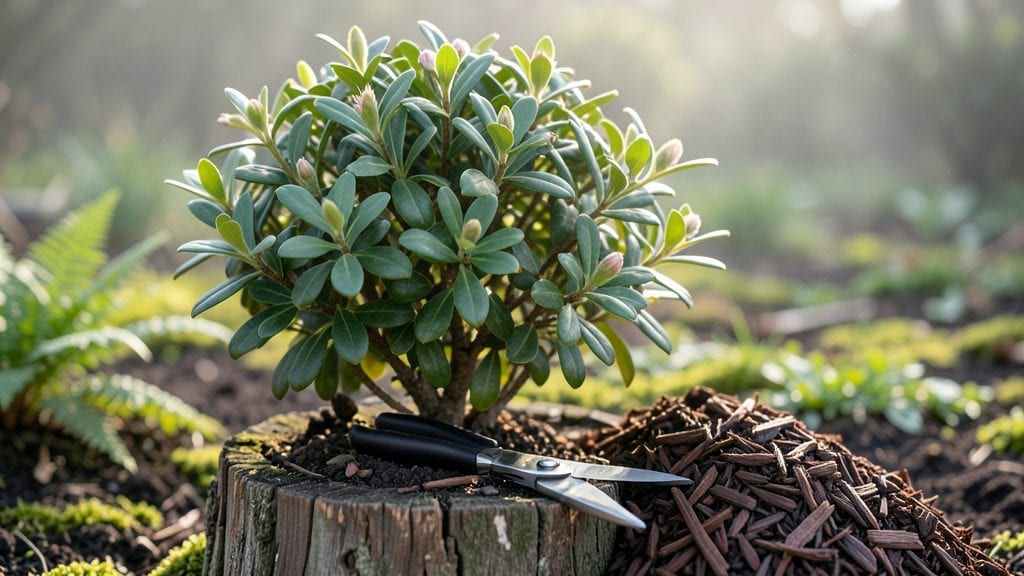
Pruning daphne plants twice a year turns scraggly bushes into fragrant, blooming powerhouses. ✨ I’ve pruned mine for years, and the difference between a neglected shrub and one bursting with spring flowers comes down to two strategic cuts—once after blooms fade and again in late summer.
The key is timing and technique. Most gardeners mess this up by pruning too late or too aggressively—both kill next year’s flowers. You’ll need sharp bypass pruners, rubbing alcohol for sterilizing cuts, and a clear day to avoid soggy wood.
The goal isn’t to create a perfect shape but to encourage fresh growth where it matters most: at the base of old stems.
After pruning, your daphne will reward you with denser foliage and more abundant blooms the following spring. The fragrant clusters will appear earlier, last longer, and smell even stronger than before. Just avoid heavy pruning in autumn—daphne needs its leaves to photosynthesize through winter.
This method works for all daphne varieties, whether you’ve got Daphne odora for winter fragrance or Daphne mezereum for early spring color. The same principles apply whether your plant is in a border, container, or against a fence. Let’s get those blooms coming back bigger every year.
📚 In This Guide
- What you need
- Instructions
- Tips and common mistakes
- Wrapping up and next steps
What you need
- ● Pruning shears – Bypass pruners (sharp, clean blades, 5-7" size) for clean cuts. Disinfect with rubbing alcohol before and after use!
- ● Hand pruners – For smaller stems or tight spaces (4-5" size, ergonomic grip).
- ○ Loppers – Optional but helpful for thicker branches (8-12" size, bypass or anvil type).
- ● Gloves – Garden gloves (nitrile-coated for grip) to protect from thorns and sap.
- ● Rubbing alcohol (70% or higher) – 1 small bottle to sterilize tools and prevent disease.
- ○ Pruning sealant – Optional but recommended for large cuts (e.g., Tanglefoot Tree Wound Pruning Seal or beeswax-based sealant).
- ○ Disposable pruning bags – Optional (1-2 bags) to collect clippings and reduce mess.
- ● Timing – Prune after flowering (spring for spring blooms, summer for summer blooms). Avoid pruning when buds are forming!
- ● Weather – Choose a dry, overcast day to minimize stress on the plant.
- ● Safety check – Ensure the area is clear of pets/kids and you’re wearing closed-toe shoes.
- ● Plant health assessment – Inspect for dead, diseased, or crossing branches before starting.
Instructions for daphne plant pruning: year-round blooms with 2 seasonal trims
Here's the precise timing and technique I've refined over years of growing daphne—keeping these shrubs healthy and flowering reliably.
⏰ Step 1: Time Your First Trim After Spring Blooms
Wait until late May or early June, once your daphne has finished flowering completely. You'll know it's time when the blooms have dropped and new growth begins—look for fresh, vibrant leaves emerging along the stems. This timing ensures you don't cut back flower buds for next year's blooms.
Use clean, sharp pruning shears to remove dead, crossing, or weak stems at their base. I like to make cuts just above a leaf node or outward-facing bud to encourage new growth in the right direction. Never remove more than one-third of the plant's total growth in a single trim—this keeps the shrub balanced.
✂️ Step 2: Perform Light Summer Pruning for Shape
In mid-July, give your daphne a light shaping trim to maintain its form. Focus on removing any overly long or leggy growth that detracts from the natural shape. Daphne responds well to gentle pruning, so avoid heavy cuts—just enough to encourage denser foliage.
I always check for any diseased or damaged branches during this trim. Remove these immediately, cutting back to healthy wood. This prevents the spread of issues and keeps your plant vigorous. After pruning, I give the plant a light watering to help it recover quickly.
🌿 Step 3: Conduct a Final Light Trim in Early Fall
In late September or early October, perform a final light trim to prepare the plant for winter. Remove any dead, diseased, or weak growth that may have appeared over the summer. This ensures your daphne enters dormancy in the best possible condition.
I avoid heavy pruning at this stage—just enough to tidy up the plant. Daphne blooms on old wood, so any significant cuts now could reduce next year's flowers. After trimming, I apply a 2-3 inch layer of mulch around the base to protect the roots from winter cold.
💧 Step 4: Prune for Renewal After Winter Dormancy
In very early spring, just as new growth begins but before buds swell, do a final light trim. Remove any dead or broken branches that survived the winter. This is also the time to shape the plant if needed, but keep cuts minimal—daphne responds best to gentle pruning.
After pruning, I water the plant deeply to help it recover. Daphne is drought-tolerant once established, but a good soak after trimming encourages strong new growth. Avoid fertilizing immediately after pruning—wait until new growth is visible before applying any nutrients.
Tips & tricks for perfect daphne plant pruning
These refined techniques will help you maintain your daphne's health and ensure abundant blooms year after year.
Timing is Everything: The precise timing in late May/early June for your first trim is critical because daphne blooms on old wood. If you prune too early, you risk cutting off next year's flower buds before they've formed. I always wait until I see at least 2-3 inches of fresh green growth after the blooms have completely dropped. This visual cue ensures you're not sacrificing future flowers for current tidiness.
Pruning Technique Matters: When making cuts in Step 1, aim for a 45-degree angle just above a leaf node or outward-facing bud. This angled cut prevents water from pooling on the stem, which could cause rot. I've found that using clean, sharp pruning shears makes all the difference—dull blades crush stems instead of making clean cuts, which stresses the plant. Always sterilize your tools with rubbing alcohol between cuts to prevent disease transmission.
Seasonal Considerations: The light shaping trim in mid-July is your chance to maintain the plant's natural form without overdoing it. Daphne responds best to minimal intervention, so focus on removing only the most egregious leggy growth. In late September/October, that 2-3 inch layer of mulch is non-negotiable—it acts as insulation against winter's freeze-thaw cycles while retaining moisture. I use shredded bark mulch because it breaks down slowly and improves soil structure over time.
Post-Pruning Care: After each trimming session, the light watering or deep soak isn't just about hydration—it's about helping the plant recover from the stress of pruning. I've noticed that daphne recovers fastest when watered immediately after trimming, especially in hot weather. Remember that while daphne is drought-tolerant once established, it still needs proper recovery care after pruning to maintain its vigor for next year's blooms.
Pro Tips for Daphne Plant Pruning
- These refined techniques will help you maintain your daphne's health and ensure abundant blooms year after year.
- Timing is Everything: The precise timing in late May/early June for your first trim is critical because daphne blooms on old wood.
- Pruning Technique Matters: When making cuts in Step 1, aim for a 45-degree angle just above a leaf node or outward-facing bud.
Frequently asked questions
Got questions about keeping your Daphne plant looking its best? You’re not alone! Here are answers to the most common concerns—so you can prune like a pro and enjoy those fragrant blooms year after year.
When is the best time to prune Daphne plants?
Prune your Daphne twice a year: right after flowering in early spring (to shape and encourage new growth) and late summer or early fall (to remove dead or overgrown stems). Avoid pruning in late fall or winter, as the plant needs its foliage to protect buds over winter. Timing is key—wait until flowers fade before the first trim!
How much can I cut back my Daphne without harming it?
You can safely remove up to one-third of the plant’s growth during each pruning session. Focus on dead, diseased, or crossing branches first, then thin out crowded stems to improve airflow. Avoid heavy pruning—Daphne plants bloom on old wood, so drastic cuts may reduce next year’s flowers. Think "light touch" for long-term health!
What if my Daphne isn’t blooming after pruning?
If your Daphne skips blooms, it might be due to over-pruning or lack of sunlight. Ensure it gets 6+ hours of sun daily and prune only after flowering. Also, check for nutrient deficiencies—feed with acidic, high-phosphorus fertilizer in early spring to support blooms. Patience helps too; Daphne plants often take 2–3 years to fully establish after heavy pruning.
Can I propagate Daphne from pruned cuttings?
Use 4–6 inch semi-hardwood cuttings from healthy stems (taken in late spring or summer). Dip the cut end in rooting hormone, plant in well-draining soil, and keep humid until roots form (usually 4–8 weeks). Daphne cuttings prefer partial shade and consistent moisture. It’s a great way to share your plant—or expand your garden!
What should I do if my Daphne looks stressed after pruning?
If your Daphne wilts, drops leaves, or shows yellowing after pruning, it’s likely over-stressed. To help it recover:
- Water deeply but avoid soggy soil.
- Move it to bright, indirect light temporarily.
- Avoid fertilizing until new growth appears.
- Check for pests (like spider mites) on fresh cuts.
Wrapping up and next steps
Pruning your daphne plant just twice a year—once after spring blooms and again in late summer—can unlock a cascade of vibrant flowers for seasons to come! 🌸 By following the right techniques (like deadheading and shaping), you’ll encourage healthier growth and stunning displays.
Now that you’re armed with the know-how, grab those shears and give your daphne the care it deserves—your garden will thank you!
💡 Next step: Mark your calendar for late summer and early spring to keep your daphne thriving year-round! 🌿