
Companion Plants
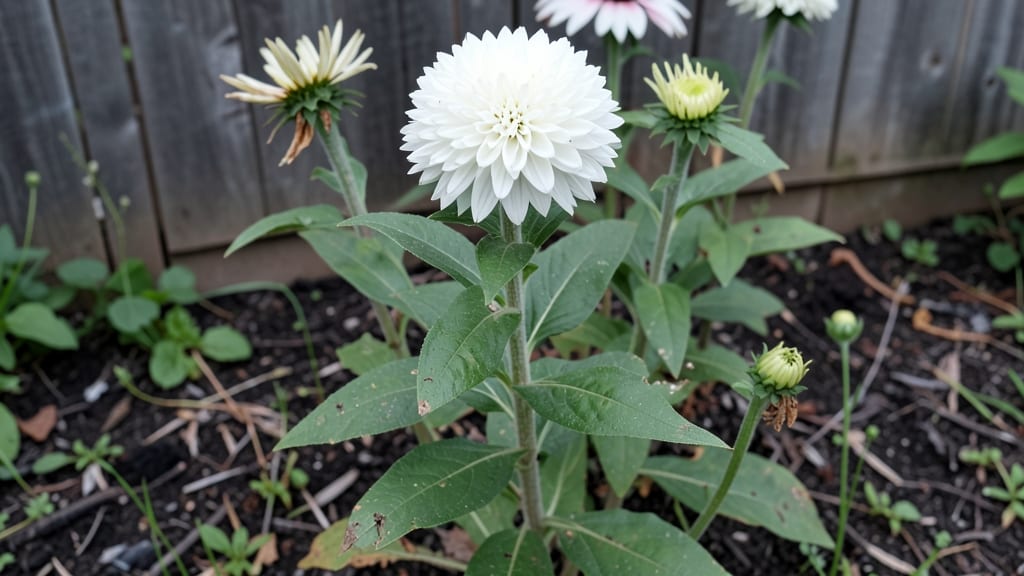
Double coneflower plants bring a bold, layered look to pollinator gardens that single blooms can't match. 🌻 I planted mine last spring, and by summer, bees and butterflies were swarming the thick, petal-filled centers like all-you-can-eat buffets.
The secret isn't just their beauty—it's how they thrive with minimal fuss once established.
These plants demand full sun (6+ hours daily) and well-draining soil, but they're forgiving about everything else. Space them 18-24 inches apart—crowding leads to floppy stems and fewer blooms. Water deeply once a week after planting, then let nature take over.
The real magic happens in their third year, when they explode with 3-inch-wide double blooms that last from midsummer through frost.
Pruning is simple: snip back dead stems in early spring and cut back faded blooms to encourage more flowers. The double varieties resist powdery mildew better than singles, but watch for Japanese beetles—they adore these showstoppers.
With proper care, your plants will reward you with years of effortless color and a garden that hums with life.
Perfect for borders, cottage gardens, or cutting arrangements, these coneflowers adapt to most climates (zones 3-9). The key is patience—first-year plants focus on roots, but by year two, you'll see why gardeners swear by them. Let's get yours growing!
📚 In This Guide
- What you need
- Instructions
- Tips and common mistakes
- Wrapping up and next steps
What you need
- ● Double coneflower plants: 3–5 nursery-grown transplants (6–8 inches tall) or
- ● Seeds (start indoors 8–10 weeks before last frost or direct-sow in spring/fall).
- ● Well-draining soil: Amend heavy clay with compost (2–3 inches) or perlite (1 part perlite to 3 parts soil) for optimal drainage.
- ● Sunlight: Full sun (6+ hours daily) for best blooms.
- ● Watering can or hose: With a gentle spray nozzle to avoid disturbing roots.
- ● Organic mulch: 2–3 inches of shredded bark or straw to retain moisture and suppress weeds.
- ● Garden trowel or shovel (for transplanting).
- ● Gloves (to protect hands from thorns on mature plants).
- ● Pruners (for deadheading spent blooms or dividing clumps in early spring).
- ● Slow-release fertilizer (10-10-10 or compost-based, 1 tbsp per plant at planting).
- ● Pollinator-friendly companions: Plant bee balm, black-eyed Susans, or lavender nearby for a buzzing garden! 🐝
Instructions for planting double coneflower to attract pollinators
Here's my go-to method for establishing hardy, long-blooming double coneflowers that thrive for seasons.
🌱 Step 1: Choose the Perfect Planting Location
Double coneflowers (Echinacea purpurea 'Double Delight') thrive in full sun to partial shade, with at least 6 hours of direct sunlight daily. I always scout the site first—look for areas with well-draining soil and natural airflow to prevent fungal issues. Avoid low spots where water pools after rain, as soggy roots lead to root rot.
Test your soil's drainage by digging a 12-inch deep hole and filling it with water. If it drains within 1-2 hours, your site is ideal. Amend heavy clay with 2-3 inches of compost mixed into the top 6 inches of soil to improve aeration and fertility. Double coneflowers are drought-tolerant once established, but they perform best in soil with moderate moisture.
🪴 Step 2: Prepare Planting Holes and Transplant Carefully
Dig holes twice as wide as the root ball but only as deep—planting too deep buries the crown and invites rot. Gently loosen the roots if they're circling the pot, then position the plant so the top of the root ball sits just below soil level. Double coneflowers have sturdy stems, but proper depth ensures stability and prevents stem rot.
Backfill with native soil mixed with 1 cup of compost per hole. Water deeply until moisture reaches 6 inches down, then add a 2-inch layer of mulch (like shredded bark) around the base, keeping it 3 inches away from the stem. This conserves moisture and regulates soil temperature. Avoid mulching too early—wait until roots have established for 2-3 weeks.
☀️ Step 3: Water and Fertilize for Strong Establishment
Keep the soil consistently moist but not soggy for the first 4-6 weeks, watering whenever the top 2 inches feel dry. Double coneflowers are tough once mature, but young plants need reliable moisture to develop strong root systems. I water deeply 2-3 times per week in summer, adjusting for rain—overwatering is worse than underwatering at this stage.
Skip high-nitrogen fertilizers, which encourage leafy growth at the expense of blooms. Instead, apply a balanced 10-10-10 fertilizer at half strength in early spring and again after the first flush of flowers. You'll see robust stems and abundant blooms if the plant gets enough sunlight and nutrients. Deadhead spent blooms in late summer to encourage a second flush of flowers.
✂️ Step 4: Prune and Maintain for Longevity
Cut back stems to 6 inches tall in late winter or early spring before new growth appears. This removes dead foliage and stimulates fresh, vigorous shoots. Double coneflowers are perennials that reward patience—proper pruning ensures they return stronger each year. Avoid heavy pruning in fall, as the plant needs foliage to store energy for next season.
Watch for powdery mildew on leaves, especially in humid climates. Improve airflow by spacing plants 18-24 inches apart and removing debris around the base. If mildew appears, treat with neem oil or a fungicide, but prevention is easier—water at the base in the morning to keep foliage dry. With minimal care, these plants will bloom reliably for 3+ years, attracting butterflies and bees year after year.
Tips & tricks for perfect double coneflower planting
Here's what I've learned after planting dozens of double coneflowers—these tricks will help you avoid common pitfalls and get those pollinator magnets thriving for years.
Soil Test Tip: That 12-inch deep drainage test in Step 1 is critical. If water drains slower than 2 hours, you're dealing with heavy clay. In this case, I recommend amending with an extra 1-2 inches of compost mixed into the top 8 inches of soil. This improves aeration without overwhelming the plant's root system. For sandy soils, add a thin layer of compost just to retain moisture better—double coneflowers hate bone-dry conditions.
Root Ball Handling: When loosening circling roots in Step 2, don't go overboard—just gently separate them with your fingers. I've seen gardeners cut roots to "free" them, but this actually stresses the plant. The goal is to encourage outward growth, not create open wounds. After planting, give the soil a gentle press around the edges to eliminate air pockets while keeping the crown just below soil level.
Watering Strategy: The 4-6 week establishment period in Step 3 is non-negotiable. I use a simple finger test: stick your finger 2 inches deep—if it feels dry, water. But here's the secret: water deeply only 2 times per week in summer unless it's extremely hot (90°F+). Frequent shallow watering encourages weak, shallow roots. Instead, let the top 1-2 inches dry out between waterings to build drought resistance.
Pruning Precision: When cutting back to 6 inches in Step 4, use clean, sharp shears and make cuts at a 45-degree angle just above a leaf node. This prevents water from pooling on the cut and encourages new growth from the sides. I've seen people cut too close to the base—this can damage the crown and stunt regrowth. Also, save those cuttings! Dry them and use as winter mulch around the base.
Pro Tips for Double Coneflower Plants
- Here's what I've learned after planting dozens of double coneflowers—these tricks will help you avoid common pitfalls and get those pollinator magnets thriving for years.
- Soil Test Tip: That 12-inch deep drainage test in Step 1 is critical.
- Root Ball Handling: When loosening circling roots in Step 2, don't go overboard—just gently separate them with your fingers.
Frequently asked questions
Got questions about growing double coneflower plants?
You’re not alone! Here are some of the most common queries—plus quick, actionable answers to keep your garden thriving.
How do I know if my double coneflower is healthy?
A healthy double coneflower has upright stems, deep green foliage, and plump buds that open into vibrant blooms. Watch for yellowing leaves (overwatering) or wilted stems (underwatering). Pests like aphids or powdery mildew can also signal stress—treat with neem oil if needed!
When is the best time to plant double coneflowers?
Plant in early spring (after the last frost) or early fall for the best results. This gives roots time to establish before extreme heat or cold. For containers, you can also plant in late spring, but ensure they get consistent moisture until established.
Can double coneflowers grow in containers?
Choose a 5-gallon pot or larger with drainage holes. Use well-draining soil and place in full sun (6+ hours/day). Deadhead spent blooms to encourage reblooming. Just be mindful—they may need annual division every 2–3 years to prevent overcrowding.
Why aren’t my double coneflowers attracting pollinators?
Pollinators love double coneflowers—but if they’re skipping yours, check these fixes:
- Bloom scarcity: Deadhead faded flowers to prompt new buds.
- Pesticides: Avoid chemical sprays; opt for organic solutions like insecticidal soap.
- Location: Ensure they’re in sunny, open spots (not shaded by tall plants).
- Water stress: Drought can reduce nectar—water deeply 1–2x/week.
What can I plant alongside double coneflowers?
Double coneflowers pair beautifully with:
- Companion plants: Black-eyed Susans, bee balm, or salvia (all attract pollinators!).
- Low-growing perennials: Catmint or Russian sage to fill gaps.
- Avoid: Overly competitive plants like mint or aggressive ground covers.
Pro tip: Mix heights for a textured, pollinator-friendly display!
Wrapping up and next steps
Double coneflower plants are a game-changer for pollinator-friendly gardens, offering stunning blooms for up to three years with minimal fuss! Their drought tolerance, vibrant colors, and ability to attract bees, butterflies, and hummingbirds make them a must-have for any outdoor space.
Whether you're a seasoned gardener or just starting out, adding these hardy perennials will bring beauty and life to your landscape.
Ready to transform your garden? Start by gathering your supplies and follow the simple steps to plant your double coneflowers today. Watch as your garden buzzes with activity—and color! 🌸🐝