
Pruning
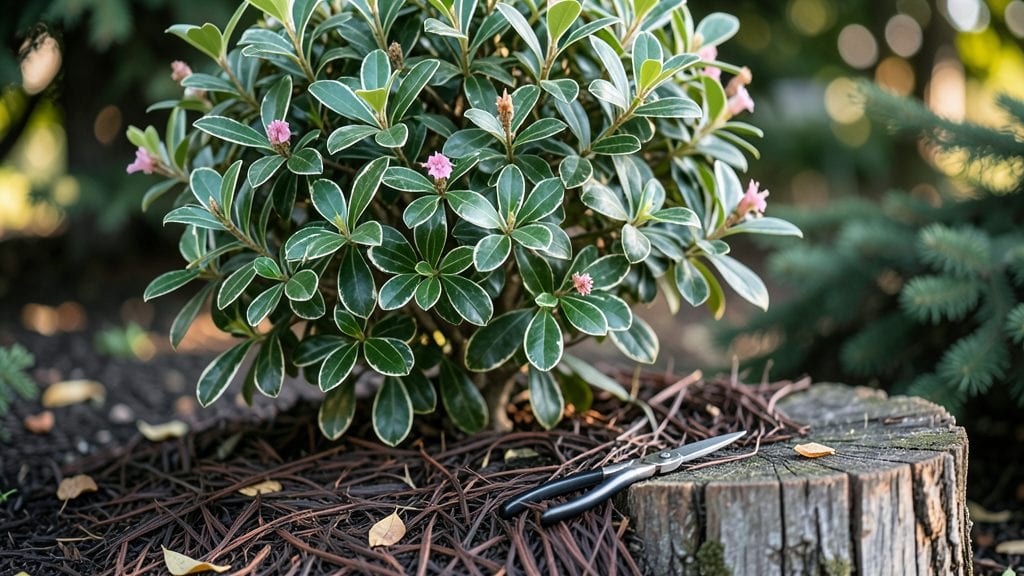
Pruning euonymus plants transforms them from scraggly shrubs into neat, showstopping focal points—if you do it right. 🌿 I’ve pruned these tough, adaptable shrubs for years, and the difference between a wild tangle and a polished landscape feature comes down to timing, technique, and knowing when to stop.
The key isn’t just cutting branches; it’s shaping growth while preserving that signature euonymus structure that holds up through seasons.
You’ll need sharp bypass pruners, a ladder (for taller varieties), and a clear morning to work—euonymus bleeds sap when cut, so fresh pruning wounds can look messy. The best time?
Late winter or early spring before new growth starts, but you can also trim lightly after flowering to maintain shape. Avoid heavy pruning in fall, or you risk stunted blooms next season. Even a 30-minute session every year keeps these shrubs dense, healthy, and ready to handle pests or storms.
What you’ll end up with is a euonymus that looks like it belongs in a designer garden, not just your backyard. The branches stay sturdy, the foliage fills in neatly, and those signature pink or red stems—if you’re growing a variegated type—pop against the green like fireworks.
Prune correctly, and you’ll also encourage thicker growth at the base, which means fewer floppy branches and more year-round structure. The payoff? A shrub that’s easier to care for and looks better with every cut.
Works for all euonymus varieties—whether you’ve got Euonymus alatus with its winged stems or Euonymus japonicus for glossy foliage. The same principles apply, so you can adapt this for hedges, topiary, or just keeping a single shrub in check. Let’s get those shears out and shape something stunning.
📚 In This Guide
- What you need
- Instructions
- Tips and common mistakes
- Wrapping up and next steps
What you need
- ● Pruning shears: Bypass shears (8–10 inches) for clean cuts on stems up to ½ inch thick. Pro tip: Sharpen blades yearly for precision! ✨
- ○ Pruning saw: 1 medium-sized (10–12 inches) for thicker branches (over ¾ inch). Optional: Lopper for awkward angles.
- ● Hand pruners: Anvil-style (for small twigs) or bypass (for delicate cuts). Quantity: 1–2 per person.
- ● Gloves: Heavy-duty, cut-resistant gloves (e.g., blank">Mechanix or blank">Felco brand). Why? Euonymus thorns!
- ● Disinfectant: 70% isopropyl alcohol or blank">rubbing alcohol (1 bottle) to sterilize tools between cuts and prevent disease.
- ○ Pruning sealant: Optional but helpful for large cuts (e.g., blank">Tanglefoot Tree Wound Pruning Seal). Use: Only on cuts over 1 inch.
- ● Ladder or step stool: Extendable (6–10 ft) for tall hedges or hard-to-reach branches. Safety first! 🚧
- ● Trash bags: 2–3 heavy-duty bags (13-gallon) for debris. Bonus: Use a tarp underneath for easy cleanup.
- ● Marking twine or flags: For labeling sections if pruning in stages (e.g., blank">brightly colored ribbon).
- ● Spring/Summer: Fertilizer (balanced 10-10-10 or blank">slow-release granules) to revive post-pruning.
- ● Fall/Winter: Mulch (2–3 inches of shredded bark) to protect roots during dormant pruning.
- ● Check the weather: Prune on a dry, overcast day to reduce stress on the plant. ☀️→🌧️
- ● Wear long sleeves and pants—Euonymus thorns are sneaky!
- ● Test tools beforehand: Squeeze handles to ensure comfort during long sessions.
Instructions for pruning euonymus to keep it healthy and beautiful year-round
Here’s the straightforward approach I use to shape euonymus, boost blooms, and keep it looking tidy—no guesswork involved.
✂️ Step 1: Prune After Flowering (Late Spring to Early Summer)
Euonymus blooms in spring, so the best time to prune is right after flowers fade but before new growth hardens. Look for spent flowers—these will drop naturally, signaling it’s time to act. Use clean, sharp pruners to cut back about ⅓ of the oldest stems at the base or to shape the plant.
Focus on removing any dead, crossing, or weak branches first. These create entry points for pests and diseases. I always step back to check the overall shape—euonymus responds well to light shaping, so don’t overdo it. The goal is to encourage a fuller, bushier plant, not a skeletal one.
✂️ Step 2: Light Summer Trimming (Mid to Late Summer)
If your euonymus looks leggy or overgrown by mid-summer, give it a quick trim to maintain its shape. Cut just above a leaf node (the bump where leaves attach) to promote branching. Avoid heavy pruning now—this can stress the plant and reduce fall color.
Watch for new growth that’s stretching too far. These shoots often appear at the tips of branches and can make the plant look sparse. Pinch back the tips of these shoots with your fingers or pruners to redirect energy into denser foliage. This is also the time to remove any suckers at the base—those aggressive shoots steal nutrients from the main plant.
✂️ Step 3: Minimal Winter Pruning (Late Winter, Before New Growth)
In late winter, just as buds begin to swell but before new growth starts, do a final light prune. Remove any dead, damaged, or diseased branches first—they’re easy to spot against bare stems. Then, trim back any branches that are rubbing against each other or growing inward.
This is not the time for heavy shaping. Euonymus sets next year’s buds in early spring, so pruning too aggressively now can reduce flowering. Instead, focus on cleaning up and opening the plant’s center to improve airflow. A quick sweep with pruners keeps it tidy without stressing the plant.
🌿 Step 4: Year-Round Maintenance (As Needed)
Euonymus is forgiving, but don’t let it go completely wild. Throughout the year, remove any stray shoots or suckers that pop up. These often appear at the base or where branches meet the trunk. Snip them off at the base with clean pruners—no need to wait for a special season.
Keep an eye out for branches that are growing in awkward directions or blocking walkways. A little pruning here and there keeps the plant looking intentional. The key is consistency—euonymus rewards regular, light maintenance with dense growth and vibrant fall color.
Tips & tricks for perfect euonymus plant pruning
Here's what nobody tells you about keeping your euonymus thriving year after year—these are the secrets that make all the difference.
Timing is Everything: The key to euonymus pruning is patience—don't rush it. In Step 1, when you're removing those oldest stems, look for the perfect moment when flowers have faded but new growth hasn't hardened yet. This window is usually just 2-3 weeks long in late spring. I've seen people prune too early (when buds are still tight) or too late (when new growth is already stiff), and both approaches can stress the plant. The goal is to catch that sweet spot where the plant is ready to redirect its energy into new growth.
Tool Selection Matters: Your pruners are more important than you might think. For Step 2's summer trimming, I recommend using bypass pruners with sharp, clean blades—they make cleaner cuts that heal faster. I always wipe my pruners with rubbing alcohol between cuts to prevent spreading any potential diseases. And here's a pro tip: if you're dealing with thicker branches in Step 1, consider using loppers for those older stems. The cleaner the cut, the better the plant recovers.
Shape with Purpose: When you're shaping in Step 1, think about the plant's natural growth habit. Euonymus tends to grow in a rounded form, so I always aim to maintain that shape while opening up the center. In Step 3 during winter, resist the urge to create a perfectly symmetrical shape—euonymus looks best when it has a natural, slightly irregular form. The key is to remove branches that are growing inward or crossing over others, which creates better airflow and prevents disease. Remember, you're not sculpting a topiary—you're encouraging healthy, vigorous growth.
Year-Round Vigilance: Don't let those suckers and stray shoots win the battle. In Step 4, when you're doing your year-round maintenance, make it a habit to check your euonymus every few weeks. Those aggressive suckers at the base can completely take over if left unchecked. I keep a small pair of hand pruners in my gardening tool belt so I can snip them off whenever I notice them. The more consistent you are with this maintenance, the less dramatic your seasonal pruning will need to be.
Pro Tips for Euonymus Plant Pruning
- Here's what nobody tells you about keeping your euonymus thriving year after year—these are the secrets that make all the difference.
- Timing is Everything: The key to euonymus pruning is patience—don't rush it.
- Tool Selection Matters: Your pruners are more important than you might think.
Frequently asked questions
When is the best time to prune euonymus for blooms?
Prune after blooming (late spring to early summer) to preserve next year’s flowers. If your euonymus doesn’t bloom, prune lightly in late winter or early spring instead. Avoid heavy cuts during active growth—this can stress the plant and reduce flowering.
How much can I trim back my euonymus without harming it?
Most euonymus varieties tolerate 1/3 of their growth removed annually. For shrubs, aim for selective pruning to shape rather than shearing. Over-pruning can weaken the plant, so prioritize removing dead, diseased, or crossing branches first.
What should I do if my euonymus looks leggy after pruning?
Leggy growth often means the plant needs more light or a harder prune to encourage bushier regrowth. Thin out overcrowded branches and fertilize lightly with a balanced formula. For woody euonymus, a rejuvenation prune (cutting back 1/2 to 2/3 of old stems) can stimulate new growth.
Can I prune euonymus in winter, or will it die back?
Light pruning in dormant winter (late winter/early spring) is safe, but avoid heavy cuts—euonymus may bleed sap and stress. Focus on removing dead wood or shaping. If your plant is evergreen (like Euonymus japonicus), winter pruning is less risky than for deciduous types.
What’s the difference between pruning euonymus for shape vs. for berries?
| Goal | When to Prune | Key Tips |
|---|---|---|
| Shape | Late spring/early summer (after blooms) | Use hand pruners for clean cuts; avoid shearing. Focus on opening the canopy for airflow. |
| Berries | Late winter (before buds swell) or post-bloom | Prune older stems to encourage new growth where berries form. Deadhead spent blooms to redirect energy. |
Pro Tip:
If your euonymus isn’t recovering well after pruning, it might be root-bound or underwatered. Check the soil moisture and consider repotting (for container-grown plants) or mulching to retain moisture.
Wrapping up and next steps
Mastering euonymus plant pruning is all about patience, precision, and a little seasonal finesse! 🌿 Whether you’re shaping a hedge, encouraging vibrant blooms, or keeping your plant healthy year-round, the right techniques will reward you with lush, thriving foliage.
Remember: timing, tools, and technique are your best friends—so grab those shears and get pruning with confidence!
Ready to take your euonymus to the next level? Start small: pick one task—like shaping a single branch or deadheading spent flowers—and build from there. Before you know it, your garden will be the envy of the neighborhood! 🌟