
Size
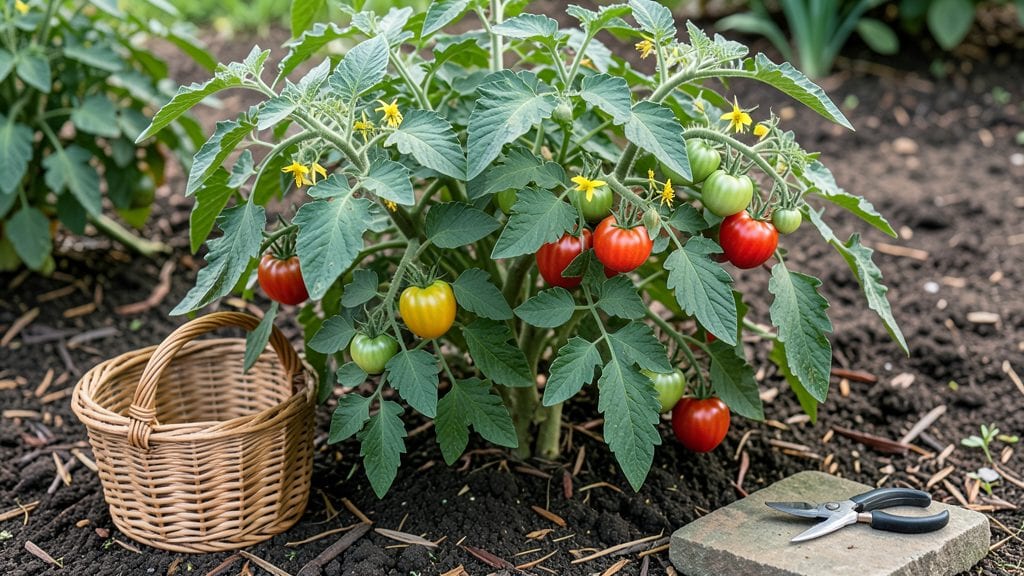
Growing food from plants isn't just a hobby—it's a game-changer for your kitchen and your wallet. 🌱 I learned the hard way that the wrong varieties, soil, or light can turn your green thumb into a black thumb faster than you think.
But once you crack the code, you'll be harvesting fresh greens in spring, tomatoes in summer, and even winter herbs with the right tricks.
The secret starts with picking the right plants for your space and season. Leafy greens like spinach and kale are the easiest beginners' crops, while tomatoes and peppers need more sunlight and heat. Your soil should be loose, rich, and well-draining—think of it as the foundation for your harvest.
And don't overlook containers; even a sunny windowsill can grow enough basil or chives for a year's worth of cooking.
By the time you master these basics, you'll be pulling crisp lettuce in early spring, juicy tomatoes in midsummer, and fresh herbs all winter long. The key is consistency: water deeply but not too often, give plants the right light, and prune regularly to keep them productive.
Before you know it, your grocery bill will shrink while your garden thrives—exactly what you want.
Whether you're working with a full backyard or just a balcony, these techniques scale easily. The biggest mistake? Giving up too soon. Most beginners quit after one failed season, but that's when the real learning begins. Let's turn your first attempt into a success story.
📚 In This Guide
- What you need
- Instructions
- Tips and common mistakes
- Wrapping up and next steps
What you need
- ● Containers: 5–10 gallon pots or grow bags (black or fabric for heat retention). Pro tip: Drill drainage holes if using store-bought pots!
- ● Growing Medium: 1–2 bags of high-quality potting mix (sterile, peat-free, or coconut coir blends work well).
- ○ Optional: Perlite or vermiculite (1 part per 4 parts soil) for aeration.
- ● Seeds or Seedlings: Choose fast-growing, compact varieties like lettuce, microgreens, herbs (basil, cilantro), or kale.
- ● Quantity: 2–5 seeds per pot (thin to the strongest sprout).
- ● Lighting: Grow lights: LED full-spectrum bulbs (12–16W per sq. ft.) for indoor setups.
- ● Sunny window: South-facing for 6+ hours of light (supplement with lights if weak).
- ● Watering Supplies: Spray bottle (for seedlings) or watering can with a narrow spout (to avoid soil displacement).
- ● pH strips (to test water hardness, ideal pH: 6.0–7.0).
- ● Hydroponic System: Kratky method or nutrient film technique (NFT) kits for soil-free growing.
- ● Automated Drip Irrigation: Timer-based systems to keep plants hydrated without fuss.
- ● Soil Nutrients: Balanced liquid fertilizer (e.g., fish emulsion or seaweed extract).
- ● Slow-release granules (like Osmocote) for long-term feeding.
- ● Temperature Control: Heating mat (for seedlings) or a small fan (to prevent mold).
- ● Garden Journal: Notebook to track planting dates, watering schedules, and harvests!
- ● Space: 2–3 sq. ft. per person (e.g., countertop, balcony, or basement with lights).
- ● Time Commitment: 10–15 minutes daily for watering, pruning, and light checks.
- ● Patience: Some plants (like leafy greens) sprout in 7–14 days; others (tomatoes) take 2–3 months!
- ○ Safety Gear: Gloves (optional) and a dust mask when handling soil or compost.
Step-by-step instructions for year-round plant-based food growing
Here’s how I keep my edible plants thriving indoors and outdoors, no matter the season.
🌱 Step 1: Choose the Right Growing System for Your Space
Start by matching your setup to your environment. For indoor growing, I use deep windowsill planters or stackable grow towers to maximize vertical space—these work perfectly for herbs and leafy greens. If you're growing outdoors year-round, raised beds with cold frames or greenhouse trays let you extend the season by trapping warmth.
For hydroponics or aeroponics, the nutrient solution and grow lights become your best friends. I always check the light spectrum—full-spectrum LEDs mimic sunlight best for food crops. If you’re using soil, ensure it’s well-draining and rich in organic matter to support root health.
☀️ Step 2: Optimize Light and Temperature for Peak Growth
Most edible plants need 12-16 hours of light daily, but intensity matters more than duration. If you’re using grow lights, position them 6-12 inches above the plants and adjust as they grow. I test light strength by holding my hand under it—if it feels warm after 10 seconds, it’s strong enough.
Temperature is just as critical. Leafy greens thrive at 60-70°F, while tomatoes and peppers need 70-85°F. Use a small greenhouse or heat mat in winter to keep roots warm. Watch for yellowing leaves or stunted growth—these are your cues to adjust light or heat.
💧 Step 3: Master Watering and Nutrient Balance
Overwatering is the fastest way to kill edible plants. I water only when the top inch of soil feels dry, using a moisture meter for precision. For hydroponic setups, I check the nutrient solution every 3-5 days—cloudiness or algae means it’s time to refresh.
Feed plants with a balanced liquid fertilizer (like 10-10-10) every 2-4 weeks, but cut back in winter when growth slows. I always flush the soil with plain water after fertilizing to prevent salt buildup. If leaves curl or brown at the edges, it’s a sign of over-fertilizing—rinse the soil immediately.
✂️ Step 4: Prune and Harvest for Continuous Production
Pruning keeps plants productive. For herbs like basil or cilantro, pinch off the top sets of leaves to encourage bushier growth. With tomatoes, I prune suckers (the small shoots in leaf junctions) to direct energy to fruit production. Always use clean, sharp scissors to avoid damaging stems.
Harvest regularly—this isn’t just about yield, it’s about flavor and plant health. Pick leafy greens when they’re 3-6 inches tall, and herbs just before flowering. For tomatoes and peppers, harvest when fully colored but still firm. Never take more than ⅓ of the plant at once, or you’ll stress it.
🪴 Step 5: Rotate Crops and Prevent Pests Seasonally
Rotate crops every 2-3 months to prevent soil depletion and disease. I keep a planting calendar to track what’s been where—this is especially important for heavy feeders like tomatoes and light feeders like lettuce. If pests appear, I isolate affected plants and treat with neem oil or insecticidal soap before they spread.
For indoor setups, I set up yellow sticky traps near windows to catch flying insects early. Outdoors, companion planting (like basil with tomatoes) deters pests naturally. Always inspect new plants before bringing them inside—quarantine them for a week first to catch hitchhikers.
Tips & tricks for perfect year-round plant-based food growing
Real talk: growing food year-round takes patience and precision. Here are the tricks that keep my plants thriving through every season.
Light Intensity Matters: Those 12-16 hours of light aren't just about duration—they need to be strong. I test my grow lights by holding my hand under them for 10 seconds. If it feels warm, your plants are getting the right intensity. For indoor setups, I adjust the light height weekly as plants grow taller.
Temperature Zones: Don't just aim for 70-85°F—create microclimates. Leafy greens in cooler corners (60-70°F) grow best, while tomatoes and peppers need that warmer range. I use small greenhouse domes over heat mats in winter to maintain root warmth without overheating the whole room.
Watering Precision: The top inch of soil test is foolproof, but I take it further. I water in the morning so plants have all day to absorb moisture before evening. For hydroponics, I refresh the nutrient solution every 3-5 days—cloudiness means it's time to change, not just add more nutrients.
Pruning Secrets: When pinching basil or cilantro, always cut just above a leaf node. For tomatoes, I remove suckers regularly—they drain energy from fruit production. The key is consistency: I prune every 2-3 weeks to maintain plant health and encourage continuous production.
Pro Tips for Plant Grow Food
- Real talk: growing food year-round takes patience and precision.
- Light Intensity Matters: Those 12-16 hours of light aren't just about duration—they need to be strong.
- Temperature Zones: Don't just aim for 70-85°F—create microclimates.
Frequently asked questions
Got questions about growing your own plant-based food year-round?
You’re not alone! Here are answers to the most common queries to help you thrive—no matter the season.
Can I grow food indoors without natural sunlight?
Use grow lights (LED or fluorescent) for 12–16 hours daily. Leafy greens (like spinach or kale) and herbs (basil, parsley) thrive indoors with minimal light. For veggies like tomatoes, opt for full-spectrum bulbs. Place lights 6–12 inches above plants and adjust as they grow.
How long does it take to harvest food from seeds?
Harvest times vary wildly! Fast growers like radishes (3–4 weeks) or green onions (4–6 weeks) are perfect for beginners. Mid-season crops (bush beans, lettuce) take 6–8 weeks, while heavy hitters like tomatoes or peppers need 2–3 months. Check seed packets for exact timelines—patience pays off!
Is growing food at home cheaper than buying groceries?
Yes, but it depends on your setup. Seeds and soil cost upfront, but long-term savings add up—especially for staples like herbs, tomatoes, or peppers. Compare: A $2 pack of basil seeds yields months of harvest vs. $4–$5 per store-bought bunch. Track costs to see your ROI!
What’s the easiest way to grow food in winter?
Extend your season with cold-hardy crops (kale, carrots, Brussels sprouts) or use greenhouses, cold frames, or row covers. For indoor growing, try microgreens (sprout in 7–14 days!) or hydroponic herbs. If space is tight, regrow scraps like lettuce or green onions—zero seeds needed!
What do I do if my plants get pests or diseases?
Act fast! Start with prevention: rotate crops, ensure good airflow, and water at the base (not leaves). For pests, try neem oil or insecticidal soap. Fungal issues? Remove infected leaves and boost sunlight. Isolate affected plants to stop spread. When in doubt, research the specific problem—community forums (like Reddit’s r/vegetablegardening) are goldmines!
Wrapping up and next steps
Growing your own food isn’t just a rewarding hobby—it’s a game-changer for your health, wallet, and the planet! 🌱 With the right plant grow food strategies, you can enjoy fresh, homegrown produce year-round, no matter your space or experience level.
Start small, experiment with what thrives in your environment, and watch your confidence (and harvests!) grow.
Ready to take the next step? Pick one plant to grow this week—whether it’s a resilient herb, a crisp lettuce, or a juicy tomato—and let your green thumb shine! 🌟 Happy planting!