
Landscaping
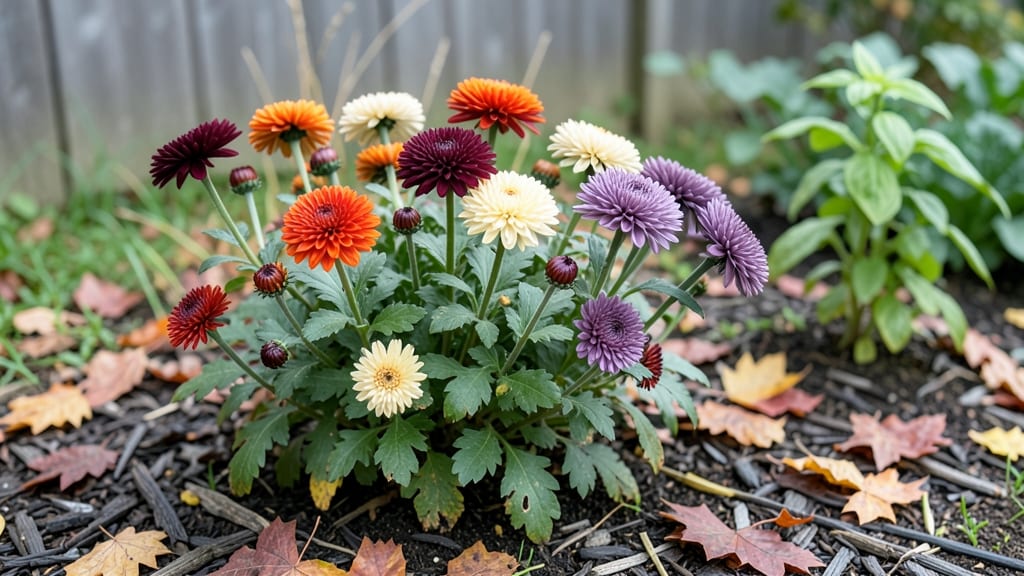
Fall landscaping plants can turn your yard into a showstopper without the summer upkeep. 🌿 I used to think fall gardens were just a sad prelude to winter—until I discovered how easy it is to layer plants that thrive in cooler weather while still dazzling with color.
The key is mixing evergreens, late-blooming perennials, and shrubs that hold their leaves until frost, creating a tapestry that lasts through Thanksgiving and beyond.
Start with mugo pine for structure and goldenrod for bright yellow blooms that attract butterflies. Add smoke bush for its fiery red stems and heuchera for velvety foliage in deep burgundy or lime green.
These plants need minimal fuss—just good drainage and occasional pruning—and they’ll reward you with three-season interest that most summer annuals can’t match. The best part? Your neighbors will be asking for your secret while their gardens fade to brown.
By late October, your landscape will look like a curated autumn painting, with textures ranging from the feathery plumes of Russian sage to the glossy leaves of Japanese maple.
The scent of sweet autumn clematis will linger in the crisp air, and the contrast of deep greens against fiery reds and oranges will make your yard the envy of the block. You’ll forget summer ever ended.
This approach works for any yard size, from small urban patios to sprawling suburban lots. The plants I recommend thrive in zones 5-8, but even if you’re in a colder climate, the same principles apply—just swap in cold-hardy varieties like winterberry holly or ornamental grasses.
Let’s make your fall garden the star of the season.
📚 In This Guide
- What you need
- Instructions
- Tips and common mistakes
- Wrapping up and next steps
What you need
- ● Fall landscaping plants: 1–3 Mums (Chrysanthemums) (per 10 sq. ft. for borders)
- ● 1–2 Ornamental grasses (e.g., Panicum virgatum or Carex per 5 sq. ft.)
- ● 1–2 Shrubs (e.g., Hydrangea or Viburnum, 1–3 per section)
- ● 1–2 Perennials (e.g., Sedum or Heuchera, 3–5 per bed)
- ● 1–2 Bulbs (e.g., Daffodils or Tulips, 10–15 per sq. ft. for spring prep)
- ● Soil amendments: 5–10 lbs. Compost (per 10 sq. ft. for nutrient boost)
- ● 2–3 lbs. Slow-release fertilizer (10-10-10 or organic option)
- ● Mulch: 2–3 bags (2–3 cu. ft. each) Shredded bark or pine straw (for moisture retention)
- ● 1 Garden trowel (for planting small bulbs)
- ● 1 Hand pruners (bypass pruners for clean cuts)
- ● 1 Garden fork (for aerating soil)
- ● 1 Wheelbarrow (2–3 cu. ft. capacity for hauling materials)
- ● 1 Hose with nozzle (or watering can for delicate plants)
- ● 1 Measuring tape (for spacing plants accurately)
- ● 1 Gloves (heavy-duty for protection)
- ● 1 Soil pH test kit (to check plant compatibility)
- ● 1–2 Decorative stones or edging (for borders)
- ● 1 Plant stakes or labels (for organization)
- ● 1 String trimmer (for shaping grass or mulch lines)
- ● 1 Post-hole digger (if planting shrubs or small trees)
How to select and plant fall landscaping plants for season-long beauty
Here’s how to choose and install plants that thrive in autumn while requiring minimal upkeep.
🌿 Step 1: Choose Plants for Seasonal Interest and Hardiness
Focus on plants that deliver color, texture, and structure from fall through winter. Mums (Chrysanthemum) and ornamental kale (Brassica oleracea) provide bold foliage, while evergreens like inkberry holly (Ilex glabra) and dwarf conifers (Pinus mugo) maintain year-round greenery. Select varieties rated for your USDA hardiness zone—this ensures they survive winter without fuss.
I always check leaf color retention—some varieties like ‘Autumn Joy’ sedum hold their deep pink tones until frost, while others fade prematurely. Group plants by water needs to simplify irrigation. For example, pair drought-tolerant Russian sage (Perovskia atriplicifolia) with moisture-loving heuchera (Heuchera spp.) in separate beds to avoid over- or under-watering.
🪴 Step 2: Prepare the Planting Site for Fall Conditions
Test your soil’s pH and drainage—fall plants often struggle in compacted or waterlogged soil. Amend heavy clay with 2–3 inches of compost or sand to improve aeration. For containers, use well-draining potting mix (never garden soil) to prevent root rot. Plant in partial shade to full sun, depending on the species—heuchera thrives in shade, while black-eyed Susan (Rudbeckia) needs 6+ hours of sun daily.
Dig holes twice as wide as the root ball but only as deep—planting too deep suffocates roots. Loosen the root ball gently if roots are circling. Water deeply before planting to reduce transplant shock. I always add a slow-release fertilizer (like 10-10-10) to the backfill soil to support root establishment before winter.
☀️ Step 3: Plant for Layered Visual Impact
Create depth by placing tall plants (like ‘Little Spire’ ninebark) at the back, mid-height shrubs (such as ‘Fire Chief’ sumac) in the middle, and ground covers (like ‘Dragon’s Blood’ sedum) in front. Space plants 12–18 inches apart for air circulation, which prevents fungal diseases in damp fall weather. Mulch with 2–3 inches of shredded bark to insulate roots and retain moisture—just keep mulch 3 inches away from stems to avoid rot.
For containers, group plants by height and water needs—place taller varieties at the back and trailing plants (like ‘Lacy Kisses’ coleus) at the edges. Use lightweight potting mix to prevent containers from cracking under winter freeze-thaw cycles. I always label plants with their names and planting dates to track performance across seasons.
💧 Step 4: Adjust Watering and Maintenance for Fall
Reduce watering as temperatures drop—water deeply every 7–10 days once soil feels dry 2 inches below the surface. Overwatering in cool weather stresses roots and invites pests like slugs and snails, which thrive in moist conditions. Apply a 2-inch layer of mulch after the first frost to protect roots from temperature swings. For containers, move them to a sheltered location (like against a south-facing wall) to shield them from wind and frost.
Prune spent blooms (like on mums) to encourage new growth, but avoid heavy pruning—wait until early spring to shape shrubs. Fertilize lightly in late summer with a balanced formula (like 10-10-10) to support root growth before winter dormancy. I always monitor for yellowing leaves, which can signal overwatering or nutrient deficiencies—adjust care accordingly.
⏰ Step 5: Plan for Winter Care and Next Season
Before the first hard frost, cover tender perennials (like canna lilies) with burlap or frost cloth to extend their season. Evergreens may need winter watering if rainfall is scarce—check soil moisture monthly. Note which plants performed best and which struggled, then adjust next year’s selections. For example, if ‘Autumn Joy’ sedum flopped in your climate, swap it for ‘Angelina’ sedum, which handles heat and humidity better.
Take digital photos of your fall plantings to compare growth over time. This helps track improvements (or issues) year after year. I also jot down bloom times, pest problems, and maintenance notes in a garden journal—it’s the best way to refine your low-maintenance landscape over time.
Tips & tricks for perfect fall landscaping plantings
Creating a stunning fall landscape that thrives through winter takes more than just planting—it's about strategic choices that prevent common pitfalls. Here's what I've learned after years of trial and error to ensure your fall plantings deliver year-round beauty with minimal fuss.
Hardiness Zone Matching: Don't just check the USDA zone for your plants—verify the specific cultivar's cold tolerance. For instance, 'Autumn Joy' sedum thrives in zones 3-9, while 'Angelina' sedum handles zones 5-11. I always cross-reference with local nursery recommendations to avoid winter losses. This simple check prevents costly replacements and ensures your investment pays off season after season.
Soil Prep Strategy: The 2-3 inches of compost or sand you add to amend heavy clay isn't just about drainage—it's about creating the right microbial environment. I recommend mixing in a handful of mycorrhizal fungi powder with your compost to help roots establish faster. This biological boost is particularly valuable in fall when cooler temperatures slow down natural soil activity. For containers, I use a cactus/succulent mix blended with regular potting soil (50/50) for that extra drainage boost.
Layering Technique: When creating visual depth in Step 3, think vertically first. Tall plants like 'Little Spire' ninebark should be positioned where they'll catch morning sunlight (east side of beds) to prevent leaf scorch. Mid-height shrubs like sumac belong in the middle where they'll receive dappled light, while ground covers like sedum thrive in the front where they'll get afternoon shade. This sunlight strategy prevents the common issue of uneven growth across your planting.
Winter Protection Planning: Before the first frost, I create a "winter care map" of my garden. This isn't just about covering tender perennials—it's about strategic placement. Evergreens on the north side of your property need more protection from winter winds, while those on the south may need less. I always install frost cloth on stakes rather than draping it directly over plants to prevent moisture buildup that can lead to rot. This simple adjustment has saved me from losing multiple evergreens over the years.
Pro Tips for Fall Landscaping Plants
- Creating a stunning fall landscape that thrives through winter takes more than just planting—it's about strategic choices that prevent common pitfalls.
- Hardiness Zone Matching: Don't just check the USDA zone for your plants—verify the specific cultivar's cold tolerance.
- Soil Prep Strategy: The 2-3 inches of compost or sand you add to amend heavy clay isn't just about drainage—it's about creating the right microbial environment.
Frequently asked questions
Got questions about fall landscaping plants?
You’re not alone! Here are answers to the most common concerns to help you create a stunning, low-maintenance fall garden with ease.
When is the best time to plant fall landscaping plants?
Plant most fall favorites—like mums, asters, and ornamental grasses—4 to 6 weeks before your first frost (typically late August to early October in most regions). This gives roots time to establish before winter. Cool-season plants (e.g., pansies, kale) can go in even later, often until November. Check your USDA zone for precise timing!
How much water do fall plants need compared to spring/summer?
Fall plants generally need less water than summer bloomers, but consistency is key! Water deeply 1–2 times per week (unless rain does the work) to encourage root growth. Newly planted shrubs or perennials may still need regular moisture—aim for 1–1.5 inches per week. Mulch (2–3 inches) helps retain moisture and protect roots.
Can I use the same plants year after year, or do I need to replace them?
Many fall plants are perennials (e.g., sedum, coneflowers, Russian sage) and will return bigger and bolder each year with proper care. Annuals (like mums or ornamental kale) will fade but leave room for next season’s colors. Divide crowded perennials in early spring to rejuvenate them. Deadhead spent blooms to encourage regrowth!
What’s the best way to prevent pests or diseases in fall plants?
Fall pests (like aphids or slugs) love tender new growth! Prevent issues by:
- Choosing disease-resistant varieties (e.g., ‘Autumn Joy’ sedum).
- Avoiding overhead watering to reduce fungal risks.
- Removing fallen leaves/debris to deter slugs and pests.
- Using organic sprays (neem oil) if needed—apply early in the day.
Will fall plants survive winter, or do I need to protect them?
Most hardy perennials and shrubs (e.g., hydrangeas, boxwoods) thrive with mulch (3–4 inches) and winter sun protection. Tender plants (like tropical mums) may need burlap wraps or container moves to a sheltered spot. Evergreens benefit from a light frost cloth in harsh winters. Check your plant’s USDA hardiness zone for specifics!
Wrapping up and next steps
Transforming your outdoor space with fall landscaping plants is easier—and more rewarding—than you think! From vibrant mums to hardy shrubs, these low-maintenance beauties bring color and life to your yard while requiring minimal effort.
Whether you’re a seasoned gardener or just starting out, every small step counts—so grab your gloves and get planting!
Ready to take the next step? Sketch a simple layout of your garden beds, pick 2-3 plants from this guide, and schedule a weekend to install them. Your future self (and your neighbors!) will thank you for the cozy, eye-catching fall haven you’re creating. 🌿✨