
Fertilization
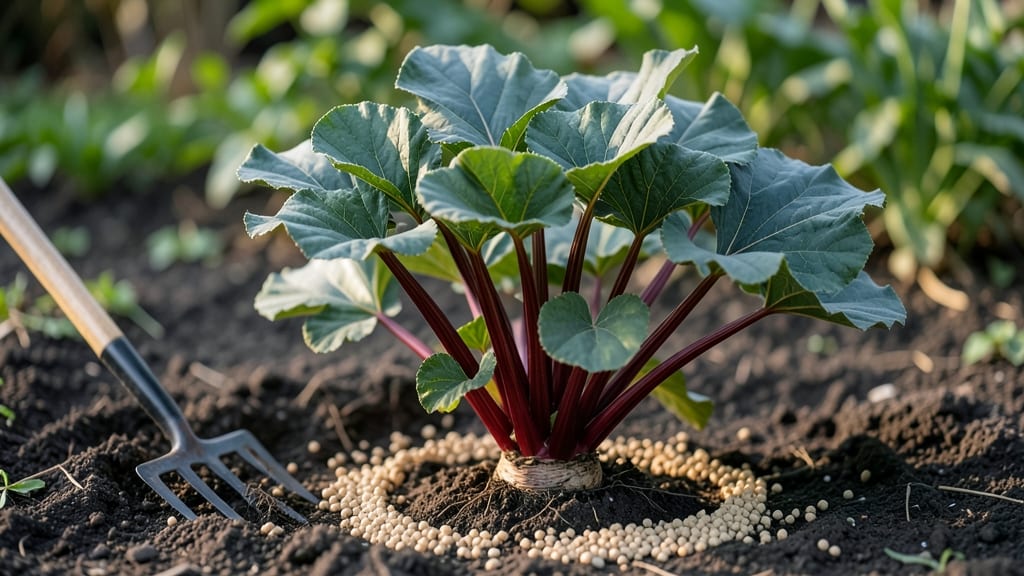
Fertilizing rhubarb plants 🍃 is the game-changer between a handful of thin stalks and a garden overflowing with plump, sweet harvests.
Picture this: you’ve spent months nurturing your rhubarb, only to pull a few puny stalks in spring. The fix isn’t more water—it’s the right nutrients at the right time. Too much fertilizer burns leaves, while too little starves your plant’s growth.
Below, I’ll show you how to strike the perfect balance, from the best organic and synthetic options to the exact timing that keeps your rhubarb thriving year after year.
Rhubarb thrives when fed with precision, not guesswork. Whether you’re a first-time gardener or a seasoned grower, knowing when to fertilize (and when to skip it) makes all the difference.
You’ll learn the signs your plant is hungry, how to avoid common mistakes, and which fertilizers actually work—no wasted money or wilted leaves.
By the end, you’ll have a clear, step-by-step plan to boost your harvest without overdoing it. Let’s get your rhubarb growing like a pro!
Best fertilizers for rhubarb plants: organic vs synthetic options to maximize growth
Rhubarb thrives when fed with the right nutrients, but choosing between organic and synthetic fertilizers can be confusing. The key is matching your fertilizer to your rhubarb’s growth stage—whether it’s early spring when roots need phosphorus or harvest season when nitrogen fuels stalk production.
Too much of the wrong nutrient can lead to yellow leaves or stunted stalks, so let’s break down the best options for each type.
Rhubarb prefers a balanced NPK ratio of around 10-10-10, but the timing matters most. Organic options like compost and aged manure slowly release nutrients, while synthetic fertilizers offer precise control.
Both have pros—organic builds soil health, while synthetics deliver quick results. The trick is avoiding over-fertilization, which can burn delicate roots or attract pests.
Soil pH is another critical factor—rhubarb performs best in slightly acidic to neutral soil (6.0-6.8). If your soil tests lower, add lime before fertilizing. High pH? Use sulfur or peat moss to adjust. Always test your soil first—skipping this step can lead to nutrient lockout, where plants starve even with fertilizer nearby.
Now, let’s compare your options in this quick-reference table to help you decide:
For early spring, focus on phosphorus-rich fertilizers like bone meal to strengthen roots before stalks emerge. In harvest season (May-July), switch to a balanced 10-10-10 or high-nitrogen feed to encourage leafy growth and plump stalks.
Avoid fertilizing in late summer, as new growth won’t harden off before frost, leaving plants vulnerable.
Organic options like compost or worm castings are my go-to for soil-building, especially in poor-quality soil. Mix 2-3 inches into the top 6 inches of soil in early spring. If you notice purple stems, your rhubarb lacks phosphorus—add bone meal or a 5-10-10 synthetic blend.
For yellowing leaves, nitrogen is the culprit; use fish emulsion or blood meal for a quick fix.
Synthetic fertilizers like 10-10-10 or slow-release granules are ideal for precise control, especially if your soil tests show deficiencies. Always water thoroughly after applying synthetics to prevent root burn. For container-grown rhubarb, use a water-soluble fertilizer diluted to half-strength every 4-6 weeks during the growing season.
One common mistake? Over-fertilizing in fall. Rhubarb enters dormancy
Step-by-step fertilizing schedule: when and how often to feed rhubarb for peak harvests
Rhubarb thrives when fed at the right times—too early or too late can stunt growth or even harm your plants. The key is aligning fertilization with your rhubarb’s natural growth cycle, which peaks in early spring and summer harvest seasons.
Over-fertilizing in late summer can lead to tender, weak stalks that won’t store well, while skipping feeds in spring means smaller yields. Let’s break down the perfect schedule to maximize your harvest without risking damage.
Timing is everything with rhubarb fertilization. Start with a light feed in early spring (March-April) as soon as new shoots emerge, then follow up with monthly applications during active growth. Avoid fertilizing after mid-summer to prevent late-season growth that won’t harden off before winter. Here’s exactly how to do it:
Application methods matter just as much as timing. For organic fertilizers like compost or manure, use side-dressing—sprinkle 1-2 tbsp around the base of the plant, 6 inches from the crown, and gently work it into the top 2 inches of soil.
For synthetic fertilizers, dilute to half-strength and water deeply into the soil to prevent root burn. Foliar sprays (like seaweed extract) can supplement nutrients but shouldn’t replace soil applications.
Avoid these common mistakes that can sabotage your rhubarb’s health: Over-fertilizing in late summer leads to soft, unusable stalks, while high-nitrogen feeds during dormancy waste resources and encourage pest attraction. Always water thoroughly after fertilizing to help nutrients penetrate the soil and reduce salt buildup.
If you notice yellowing leaves or burnt edges, flush the soil with water to dilute excess salts.
Consistency is key—stick to this schedule year after year, and you’ll reward your rhubarb with plump, vibrant stalks for decades. Older plants (3+ years) may need slightly less fertilizer, so adjust based on their established health.
With the right timing and nutrients, your rhubarb will thrive and produce harvests that put store-bought to shame! 🌿