
Picking
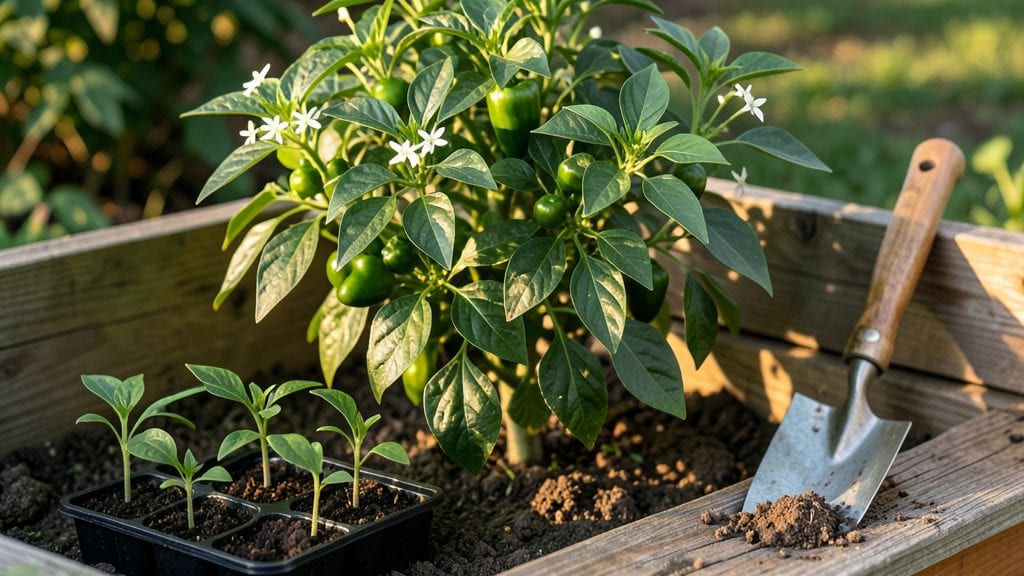
Planting habanero peppers means fiery harvests in just 90 days—but only if you nail the early stages. I’ve burned through three batches of seedlings by ignoring their heat-loving nature, and now I’m sharing the exact method that produces plump, red pods every season.
The secret starts with soil that’s warm enough to make your hands sweat when you touch it.
Habaneros demand full sun (at least 8 hours daily) and soil that stays between 75-85°F—way hotter than most garden beds. Start seeds indoors 8-10 weeks before last frost in small pots with sterile seed-starting mix, or direct-sow after all frost risk has passed.
Space plants 18-24 inches apart to give them room to sprawl, and plant seeds ¼ inch deep—any deeper and they’ll rot before sprouting.
Once they’re in the ground, keep soil consistently moist but never soggy—habaneros hate wet feet. A balanced fertilizer (like 10-10-10) at planting and again when flowers appear keeps them growing strong.
Watch for aphids early on; they adore habanero leaves, and an infestation can stunt your plants before they even fruit.
Here’s the kicker: patience pays off. The first flowers might look like they’re giving up, but don’t prune them—those are the ones that’ll turn into firecracker pods.
By day 90, you’ll be harvesting peppers so hot they’ll make your hands tingle just looking at them. Let’s get those seeds started right.
📚 In This Guide
- What you need
- Instructions
- Tips and common mistakes
- Wrapping up and next steps
What you need
- ● Habanero Seeds: 5–10 seeds (choose a variety like 'Carolina Reaper,' 'Red Savina,' or 'Orange' for flavor/heat preferences).
- ● Seed Starting Mix: 1–2 gallons of sterile, well-draining potting soil (e.g., FoxFarm Ocean Forest or Espoma Seed Starting Mix).
- ● Containers: 2–4 biodegradable pots (3–4 inches deep) or a seed tray with cells.
- ● Grow Lights or Sunny Windowsill: 12–16 hours of light daily (LED grow lights like Spectrum Grow work great).
- ● Spray Bottle: For gentle watering (avoid soaking seeds!).
- ○ Plastic Wrap or Dome: To maintain humidity (optional but helpful for germination).
- ● Transplant Pots: 5–6 inch pots or a garden bed (after hardening off).
- ● Balanced Fertilizer: 5–10–5 or 10–10–10 (e.g., Miracle-Gro All Purpose) for seedlings.
- ● Pruning Shears: Small, sharp scissors for trimming (sterilize with rubbing alcohol).
- ● Gloves & Safety Goggles: Habaneros pack a punch—protect your hands and eyes!
- ● Heat Mat: Germinates seeds faster (70–85°F ideal).
- ● pH Test Kit: Keep soil pH between 6.0–7.0 for optimal growth.
- ● Support Stakes or Cages: Habaneros grow bushy—stakes help prevent toppling.
- ● Compost or Worm Castings: Boosts soil nutrition (mix 20% into garden beds).
- ● Pest Control: Neem oil or insecticidal soap (for aphids/spider mites).
- ● Journal/Notebook: Track planting dates, watering, and growth milestones!
Step-by-Step instructions for planting habanero peppers
Here's how to grow fiery habaneros from seed to harvest in just three months.
Start Seeds Indoors 8-10 Weeks Before Last Frost
Fill 2-3 inch deep seedling trays with the seed starting mix and moisten it until damp but not soggy. Plant habanero seeds ¼ inch deep, spacing them 1 inch apart—they germinate best in warmth. Cover the tray with plastic wrap to retain humidity and place it in a warm spot (75-85°F). Germination takes 10-21 days, so be patient.
Once sprouts appear, remove the plastic wrap immediately to prevent damping-off disease. Keep seedlings under grow lights for 14-16 hours daily to prevent leggy growth. You'll notice strong seedlings when they develop first true leaves—these are deep green and sturdy, not the initial seed leaves.
Harden Off and Transplant After All Frost Risk Passes
Two weeks before transplanting, begin hardening off seedlings by placing them outside in partial shade for 1-2 hours daily. Gradually increase exposure to full sun over 7-10 days. Habaneros thrive in full sun (6+ hours daily), so choose a warm, sheltered spot with well-draining soil.
Dig holes twice as wide as the root ball and space plants 18-24 inches apart—they need room to grow. Mix compost into the soil for nutrients, then transplant seedlings carefully, ensuring the soil line matches the pot line. Water deeply at planting to settle the roots.
Provide Consistent Heat and Moisture
Habaneros love warmth—ideal temperatures range from 75-90°F. Mulch around plants with straw to retain moisture and suppress weeds. Water deeply once a week, ensuring 1 inch of water per week, but avoid wetting leaves to prevent fungal diseases. You'll know moisture is right when the soil feels dry 1-2 inches down before watering again.
Fertilize every 4-6 weeks with balanced fertilizer to encourage fruiting. Prune suckers (side shoots) to direct energy into peppers. Watch for yellowing leaves—this signals overwatering or nutrient deficiency. Adjust care immediately to keep plants thriving.
Harvest Peppers at Peak Heat and Maturity
Habaneros ripen in 90 days—harvest when peppers turn bright red, orange, or yellow, depending on the variety. Pick with sterilized pruners to avoid disease spread. Wear gloves; the oils can irritate skin! You'll taste the heat building as peppers mature—green peppers are milder but still spicy.
For continuous harvests, pick peppers every 2-3 days once they start ripening. Store fresh peppers in the fridge for 1-2 weeks or dry them for long-term use. The more you harvest, the more your plants will produce—prune spent flowers to encourage new growth until frost.
Tips & tricks for perfect habanero pepper planting
Growing habanero peppers from seed to harvest requires precision—but these pro tips will help you avoid common pitfalls and maximize your fiery yield.
Seed Starting Precision: In Step 1, maintaining that 75-85°F temperature range is crucial for germination. I use a seedling heat mat set to 80°F under my trays to ensure consistent warmth. The 10-21 day germination window can feel long, but patience pays off—don't be tempted to move trays or adjust conditions during this period. Once those first true leaves appear (not the initial seed leaves), you'll know your seedlings are ready for the next phase.
Lighting Strategy: The 14-16 hours daily of grow light exposure in Step 1 prevents leggy seedlings by mimicking long summer days. Position lights just 2-3 inches above seedlings and raise them gradually as plants grow. I've found that using a timer for automatic on/off cycles eliminates guesswork and ensures consistent light exposure. Watch for seedlings growing toward the light—this indicates they need repositioning.
Transplanting Technique: When hardening off in Step 2, I recommend starting with just 1 hour daily in partial shade rather than the full 1-2 hours mentioned. Gradually increase exposure by 30 minutes every 2-3 days. The key is to let plants acclimate to outdoor conditions without shocking them. At transplant time, those 18-24 inch spacing requirements might seem generous, but habaneros develop large foliage that needs room to thrive without competing for nutrients.
Heat Management: Maintaining the 75-90°F temperature range in Step 3 is easier said than done in many climates. I've had success using black plastic mulch around plants to absorb and retain heat during the day, then covering plants with lightweight row covers at night if temperatures dip below 65°F. The 1 inch of water per week guideline assumes average conditions—adjust for rainfall in your area by checking soil moisture at the 1-2 inch depth specified.
Pro Tips for Habanero Pepper Planting
- Growing habanero peppers from seed to harvest requires precision—but these pro tips will help you avoid common pitfalls and maximize your fiery yield.
- Seed Starting Precision: In Step 1, maintaining that 75-85°F temperature range is crucial for germination.
- Lighting Strategy: The 14-16 hours daily of grow light exposure in Step 1 prevents leggy seedlings by mimicking long summer days.
Frequently asked questions
Got questions about growing your own fiery habanero peppers? You’re not alone—this spicy adventure can raise a few eyebrows! Here are answers to the most common questions to help you plant, grow, and harvest like a pro.
When is the best time to plant habanero peppers?
Habanero peppers thrive in warm soil, so wait until after the last frost date in your area—typically late spring or early summer. If you’re in a cooler climate, start seeds indoors 8-10 weeks before transplanting to give them a head start. They love heat, so don’t rush it!
How long does it take for habanero peppers to grow?
From seed to harvest, habaneros take about 90-120 days, depending on the variety and growing conditions. If you start seeds indoors early, you might even get peppers by mid-summer. Patience pays off—these little fruits pack a punch!
Can I grow habanero peppers in containers?
Habaneros do well in containers as long as the pot is at least 5 gallons and has drainage holes. Use a high-quality potting mix and place them in a sunny spot. Just ensure they get enough water and nutrients—container plants dry out faster!
What are the most common problems with habanero plants?
Watch out for aphids, spider mites, and blossom-end rot (caused by inconsistent watering). Keep plants healthy with neem oil sprays and mulch to retain moisture. If leaves turn yellow, it might be a nutrient deficiency—feed them with a balanced fertilizer every 4-6 weeks.
Do habanero peppers need full sun?
Yes! Habaneros are sun-worshippers and need 6-8 hours of direct sunlight daily. If you’re in a shadier spot, consider growing them in containers and moving them to sunnier areas. Without enough light, peppers may be smaller, less flavorful, or even fail to produce.
Wrapping up and next steps
Growing your own habanero peppers is a rewarding journey that delivers bold flavors and fiery satisfaction—all in just 90 days!
With the right soil, sunlight, and care, you’ll soon be harvesting peppers packed with heat and nutrients. Don’t stop here—share your harvest with friends, experiment with recipes, or even save seeds for next season! 🌶️✨
Ready to take the next step? Start small, stay consistent, and enjoy the spicy fruits of your labor!