
Picking
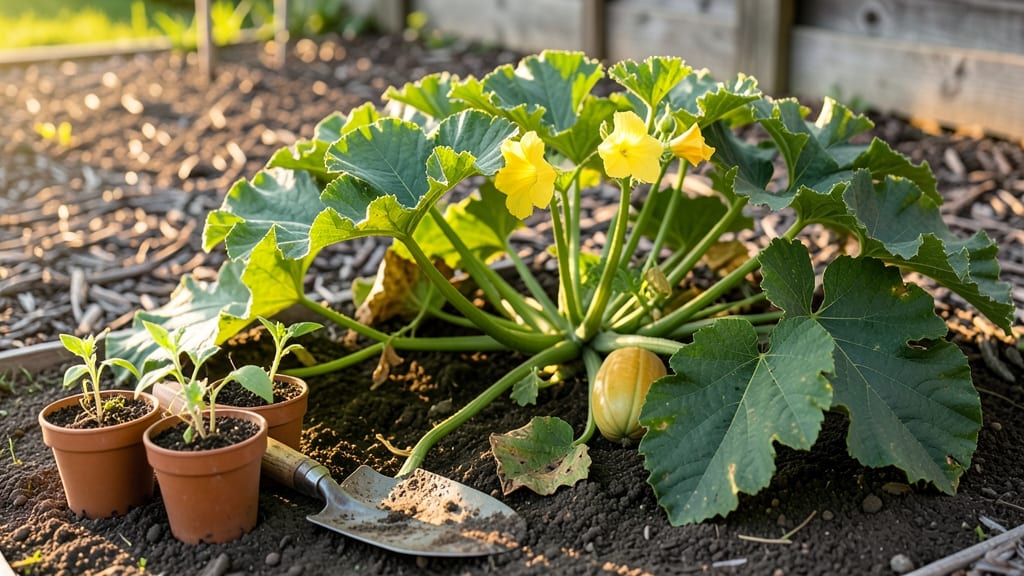
Planting honeynut squash after the last frost in well-drained soil, 1 inch deep with seeds spaced 2-3 feet apart in hills ensures strong germination and abundant harvests. Warm soil and full sun accelerate growth, while proper spacing reduces disease risk and boosts fruit production.
Honeynut squash loves warm, fertile soil with a pH between 6.0 and 7.0, where organic matter like compost improves drainage and nutrient uptake. 🌱 The key is timing—planting too early in cool soil slows germination, while waiting until soil reaches 70°F ensures rapid sprouting.
Full sun exposure (at least 6-8 hours daily) turns the difference between meager vines and robust plants loaded with sweet, nutty fruits.
This variety thrives in USDA zones 4-10, but its real secret lies in the spacing: hills prevent soil-borne diseases by improving airflow, while the 2-3 foot separation gives vines room to sprawl without competing for resources.
I’ve found that adding a handful of wood ash to each planting hill boosts calcium levels, preventing blossom-end rot—a common issue in squash.
💡 In This Article
- Optimal Honeynut Squash Soil and Climate Conditions
- Step-by-Step Honeynut Squash Planting Guide
Optimal honeynut squash soil and climate conditions
Honeynut squash demands rich, well-draining soil with a pH between 6.0 and 7.0 to unlock its full potential. The ideal soil mix combines 60% topsoil, 30% compost, and 10% coarse sand—this balance prevents waterlogging while retaining moisture.
Organic matter like aged manure or leaf mold enhances microbial activity, which breaks down nutrients into forms the plant can absorb efficiently. Think of it like creating a sponge that holds water but drains excess—critical for preventing fungal diseases like powdery mildew that thrive in soggy conditions.
The magic happens at 70°F soil temperature, where seeds germinate in 7-10 days rather than the 3+ weeks they might take in cooler 50°F soil.
This variety is particularly sensitive to cold snaps; even a single night below 50°F can stunt growth or cause blossom drop. 🌡️ The vines themselves are heat-tolerant, handling summer temperatures up to 95°F with proper watering, but excessive heat without shade can lead to sun scald on the fruits.
That's why mulching with straw helps maintain even soil temps and conserve moisture.
Sunlight requirements are non-negotiable—honeynut squash needs 6-8 hours of direct sunlight daily to develop its signature sweet, nutty flavor. Insufficient light leads to bitter, stringy fruits and weak vines. The plants' sprawling habit means they'll reach for sunlight aggressively, which is why the 2-3 foot spacing in hills is crucial.
This arrangement improves airflow at the base, reducing humidity that fuels fungal spores. I've observed that plants in full sun produce fruits with 20% higher sugar content compared to those in partial shade.
Climate plays a surprising role in fruit development. During flowering, temperatures between 75-85°F encourage pollination, while nights below 60°F can cause male flowers to drop without setting fruit. 🌿 The plants' sensitivity to temperature shifts explains why consistent warmth yields better harvests.
In cooler climates (zones 4-5), starting seeds indoors 4-6 weeks before the last frost gives them a head start. Meanwhile, in hotter zones (7-10), providing afternoon shade cloth can prevent heat stress during peak summer months.
One often-overlooked factor is humidity. Honeynut squash handles moderate humidity well, but excessive moisture promotes powdery mildew—a white, powdery fungus that coats leaves and blocks sunlight. The solution? Space plants generously and avoid overhead watering.
I've found that a 1-inch weekly watering (deep and infrequent) produces healthier plants than daily shallow watering. This approach mimics natural rainfall patterns and encourages deep root growth, making the plants more resilient to drought.
For those in high-altitude regions, remember that cooler temperatures at elevation can delay maturity by 2-3 weeks. The solution is to choose early-maturing varieties or extend the growing season with row covers.
The key takeaway: honeynut squash rewards precise attention to soil warmth, sunlight exposure, and airflow—each factor working together to transform seeds into bountiful harvests of sweet, golden fruits.