
Diseases
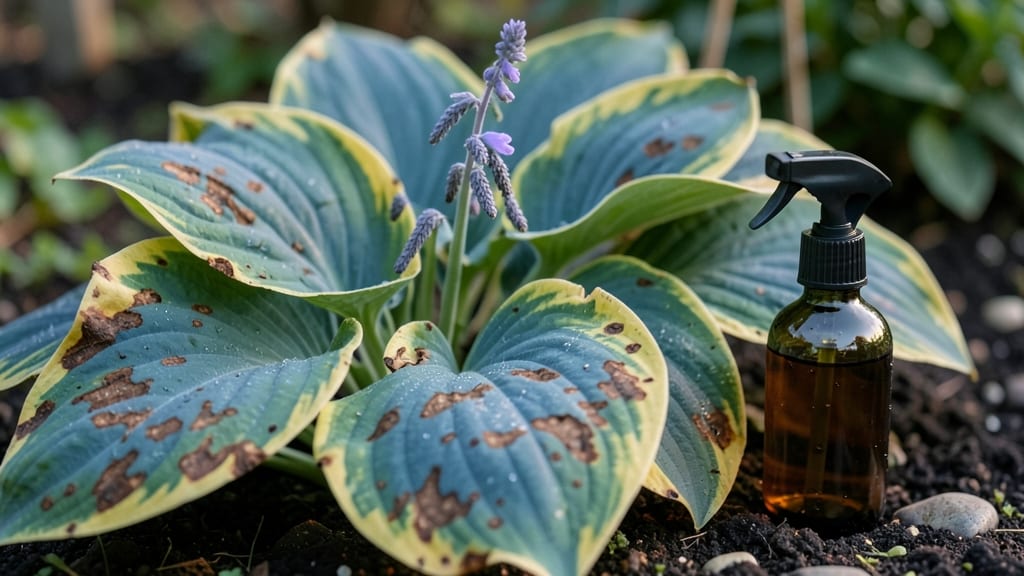
Hosta plant diseases can turn your lush foliage into a sad, spotted mess—unless you catch them early. 🌿 I’ve seen healthy hostas go from vibrant green to ragged in just weeks, and the key to saving them is knowing what to look for before the damage spreads.
The most common culprits are fungal infections like leaf spot and crown rot, which thrive in damp, shady conditions. Bacterial issues and viruses can also sneak in, but they usually show up with distinct symptoms—think yellowing leaves, slimy stems, or holes in the foliage.
The good news? Most problems respond well to quick action, whether it’s pruning infected leaves or adjusting watering habits.
By the time you finish reading, you’ll spot diseases before they take hold and treat them with simple, effective methods. Your hostas will stay thick, healthy, and the envy of every neighbor. Let’s get them back to their best in no time.
This works for all hosta varieties, whether you’re growing them in shade gardens, containers, or mixed borders. The right care keeps them thriving year after year.
Root Causes Of Hosta Struggles
Understanding why hosta plants develop diseases is the first step in preventing them. These vibrant, shade-loving perennials are generally hardy, but certain conditions create the perfect storm for fungal infections, bacterial rot, and pests to take hold.
Let’s break down the key reasons your hostas might be falling prey to diseases—and what’s really going on in their soil and leaves.
Hostas thrive in moist soil, but too much water—especially in stagnant conditions—turns their roots into a buffet for pathogens. Here’s the science:
- Fungal Feast: Fungi like Rhizoctonia (which causes root rot) and Phytophthora (a water mold) love waterlogged soil. When roots sit in soggy conditions, their protective barriers weaken, allowing these microbes to invade. - Oxygen Starvation: Roots need oxygen to stay healthy.
Compacted or clay-heavy soil traps water, suffocating roots and making them 3x more susceptible to rot. - Splash Zone Danger: Overhead watering (like sprinklers) splashes soil onto leaves, carrying fungal spores directly onto foliage. This is how Alternaria and Septoria leaf spots spread like wildfire.
Actionable Fix:
- Test your soil’s drainage by digging a 12-inch hole and filling it with water. If it drains slower than 4 hours, amend with compost or perlite.
- Water at the base (not overhead) and aim for 1–1.5 inches per week, adjusting for rain.
Fungal diseases don’t just appear—they hitchhike on wind, tools, and even your shoes. Hostas are especially vulnerable to:
- Dormant Spores: Many pathogens (like Botrytis, the gray mold culprit) overwinter in dead plant debris or soil. When conditions warm and moisten, they explode into active spores. - Crowded Gardens: Poor airflow between hosta leaves creates a greenhouse effect, trapping humidity.
This is why fungal spots (e.g., Helminthosporium) spread faster in tight plantings. - Contaminated Tools: Pruners or gloves carrying spores from infected plants can inoculate healthy hostas during trimming.
Actionable Fix:
- Space hostas 18–24 inches apart for airflow.
- Sterilize tools with 70% isopropyl alcohol between plants.
- Remove all fallen leaves and debris in fall to starve overwintering spores.
Pests like slugs, snails, and aphids don’t just eat hostas—they create entry points for diseases. Here’s how:
- Slug Slime Highways: Slugs leave a mucus trail that can carry Phytophthora bacteria, leading to crown rot. - Aphid Honeydew: These tiny sap-suckers excrete sticky honeydew, which ferments into a sugar-rich film.
This attracts sooty mold fungi (Capnodium), smothering leaves. - Chewed Leaves = Open Wounds: Insect damage breaks the cuticle (the plant’s protective skin), making hostas vulnerable to bacterial infections like Erwinia.
Actionable Fix:
- Use copper tape barriers or diatomaceous earth to deter slugs.
- Blast aphids off with a strong spray of water (early morning works best).
- Apply neem oil (a natural fungicide/pesticide) as a preventive spray every 2–3 weeks.
Hostas are tough, but sudden shifts in weather can throw their immune systems off balance:
- Cool, Wet Springs: Ideal for Fusarium wilt—a fungal disease that clogs a hosta’s xylem vessels (its water-transport system), causing sudden wilting.
- Hot, Humid Summers: Perfect for Anthracnose, a fungal disease that thrives in 80°F+ temperatures with 90% humidity, creating yellow-brown leaf spots.
- Frost Heave: Freeze-thaw cycles can crack crowns, leaving gaps for Rhizoctonia to invade.
Actionable Fix:
- Mulch heavily (3–4 inches) to moderate soil temps and retain moisture without stagnation.
- Avoid overhead watering in late afternoon to reduce evening humidity.
- Acclimate hostas gradually to temperature changes (e.g., move pots to shade before a heatwave).
Like humans, hostas under nutritional stress are easier targets for diseases. Common culprits:
- Too Much Nitrogen: Lush, soft growth is delicious to slugs and attracts fungal pests. A high nitrogen (e.g., lawn clippings) diet makes hostas sappy and weak. - Deficient Phosphorus/Potassium: These nutrients strengthen cell walls.
Without them, hostas can’t fend off Pythium (a root-infecting oomycete). - Compacted Soil: Lack of micronutrients (like magnesium or calcium) weakens roots, making them prone to rot.
Actionable Fix:
- Test soil pH (ideal: 6.0–7.5) and amend with balanced fertilizer (e.g., 10-10-10).
- Top-dress with compost in early spring to boost organic matter.
- Avoid fresh manure—it can burn roots and introduce pathogens.
Quick fixes for sick hostas
Your hostas are showing signs of stress, and you want to act fast before those unsightly spots or wilting leaves take over. The good news? Most hosta diseases and pests are manageable with the right approach.
Below, we’ve mapped out practical solutions for common issues—plus prevention tips to keep your plants thriving long-term. Think of this as your hosta first-aid kit!
Fungal problems like leaf spot, powdery mildew, or crown rot thrive in damp, shady conditions. Here’s how to tackle them:
🔥 Remove the Problem
- Prune infected leaves immediately using sterilized pruners (wipe with rubbing alcohol between cuts). 🔪 Dispose of diseased foliage in the trash—not the compost!
- Avoid overhead watering—water at the base instead to keep leaves dry.
🍳 Treat with Fungicides
- Neem oil (1 tsp per quart of water + a drop of dish soap) is a natural fungicide. Spray early morning or evening to avoid burning leaves. 🌿
- Copper fungicide (like Bordeaux mixture) works well for severe cases. Follow label instructions carefully.
👨🍳 Boost Airflow & Light
- Space plants 12–18 inches apart to improve airflow.
- Thin out dense foliage if your hostas are too crowded.
- Add a light layer of mulch (2–3 inches) to prevent soil splash onto leaves.
💡 Prevention Tip:
🌡️ Water in the morning so leaves dry quickly. Avoid planting hostas in low-lying areas where water pools.
Chewed leaves, slimy trails, or sticky residue? Pests are likely the culprits.
🔪 Trap & Remove Pests
- Slugs & snails: Set up beer traps (bury a shallow dish filled with beer) or use iron phosphate baits (pet-safe). 🍺
- Aphids: Blast them off with a strong spray of water or introduce ladybugs (natural predators).
🍳 Natural Repellents
- Crushed eggshells or diatomaceous earth around the base deter slugs.
- Garlic spray (blend 2 cloves of garlic + 1 quart water, strain, and spray) repels aphids.
👨🍳 Protect Young Plants
- Handpick pests in the early morning when they’re sluggish.
- Use row covers for young hostas if pests are severe.
💡 Prevention Tip:
🎯 Remove hiding spots—clear debris, boards, and dense mulch where pests lurk.
Too much sun or heat can cause brown edges or bleached patches.
🌿 Provide Shade & Hydration
- Move hostas to partial shade (3–6 hours of morning sun max).
- Water deeply 1–2 times per week (check soil moisture—top inch should be dry).
🍳 Mulch Like a Pro
- 3–4 inches of organic mulch (like shredded bark) keeps roots cool and retains moisture.
👨🍳 Avoid Overcrowding
- Divide overgrown hostas every 3–4 years to improve airflow and reduce stress.
💡 Prevention Tip:
✨ Choose the right variety—some hostas (like ‘Blue Angel’) tolerate more sun than others.
Poor soil or over/under-fertilizing can weaken hostas.
📊 Test Your Soil
- pH should be 6.5–7.5 for hostas. Adjust with lime (to raise pH) or sulfur (to lower pH).
🍳 Feed Smart
- Balanced fertilizer (10-10-10) in early spring promotes healthy growth.
- Avoid high-nitrogen fertilizers—they cause soft, weak growth prone to disease.
👨🍳 Compost & Organic Matter
- Mix in 2–3 inches of compost annually to replenish nutrients.
💡 Prevention Tip:
🥗 Avoid fertilizing in fall—it encourages late-season growth that’s vulnerable to frost damage.
Final Thought: Most hosta problems are preventable with good hygiene, proper spacing, and smart watering. Act fast at the first sign of trouble, and your hostas will bounce back stronger than ever! 🌿✨
Frequently asked questions
What are the most common signs of fungal infections in hostas?
Look for dark brown or black spots with yellow halos on leaves (leaf spot), white powdery coatings (powdery mildew), or soft, mushy stems (crown rot). These usually appear after prolonged wet weather or poor airflow between plants.
Can I still use infected hosta leaves in my compost?
No—dispose of diseased leaves in the trash, not compost. Fungal spores can survive composting and reinfect your garden. Instead, burn them (if safe) or seal them in a plastic bag for disposal.
How do I know if my hosta has bacterial rot vs. fungal issues?
Bacterial rot causes water-soaked, slimy lesions with foul odors, while fungal issues produce dry, crusty spots or powdery growth. Bacterial problems often spread faster and may ooze when touched.
Is neem oil safe to use on hostas during flowering?
Yes, neem oil is non-toxic to hostas even when they're blooming. Apply it in the early morning or evening to avoid harming beneficial insects like bees. Always dilute (1 tsp per quart of water) and add a drop of dish soap as an emulsifier.
Why do my hostas get diseases every year, even with good care?
Dormant fungal spores in the soil or plant debris often survive winter and reinfect next season. To break the cycle, sterilize tools, rotate crops, and remove all plant debris in fall to starve overwintering pathogens.