
Diseases
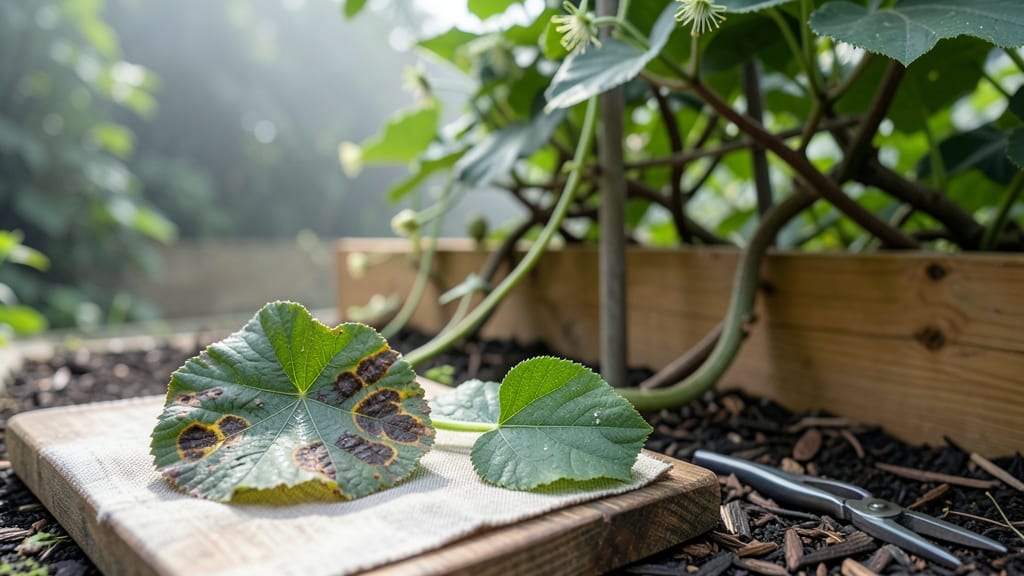
Spotting kiwi plant diseases early saves your harvest—and your patience. 🌿 I’ve watched bacterial canker turn vibrant vines into skeletal remains, and powdery mildew choke growth before it even starts.
The key isn’t fear; it’s knowing what to look for: oozing cankers, white powder on leaves, or sudden wilting that won’t quit.
Most problems start with moisture—too much or too little—and poor airflow. A copper fungicide spray keeps mildew at bay, while pruning out infected branches stops canker from spreading. Even a simple 3% hydrogen peroxide solution (1 part to 20 parts water) can disinfect tools and soil between plants.
The goal? Catch issues before they turn your backyard into a disease hotspot.
📚 In This Guide
- What you need
- Instructions
- Tips and common mistakes
- Wrapping up and next steps
What you need
- ● Pruning shears or secateurs – Sharp, sterilized (1 pair, <$15)
- ● Gloves (nitrile or rubber) – Disposable or washable (1–2 pairs, <$10)
- ● Spray bottle (16–32 oz) – For targeted treatments (1, <$5)
- ● Garden hose with adjustable nozzle – For rinsing or diluting solutions (1)
- ○ pH test kit – For soil/water testing (optional but helpful) (1, <$12)
- ● Labeling markers – To track treatments (1, <$3)
- ● Magnifying glass (10x) – For inspecting leaves/stems (1, <$8)
- ● Hand lens or loupe – Alternative to a magnifier (1, <$5)
- ● Alcohol wipes (70% isopropyl) – For sterilizing tools (1 pack, <$4)
- ● Fungicide (copper-based or neem oil) – For mildew/canker (follow label rates) (1–2 bottles, <$15–$25)
- ● Bacterial treatment (copper fungicide or hydrogen peroxide 3%) – For bacterial infections (1 bottle, <$10)
- ● Root rot remedy (benomyl or mycorrhizal fungi) – For waterlogged soil (1 packet, <$12)
- ● Soil moisture meter – Prevents over/under-watering (1, <$15)
- ● Organic mulch (straw or wood chips) – Improves soil health (5–10 lbs, <$10)
- ● Plant support stakes – For heavy vines (if disease weakens structure) (2–4, <$8)
- ● DIY spray mix ingredients – Baking soda (1 tbsp), dish soap (1 tsp), water (1 gal) (pantry staples)
How to identify and treat common kiwi plant diseases
Kiwi vines face a few stubborn diseases—here's how to catch them early and stop them before they ruin your harvest.
🌿 Step 1: Spot the Early Signs of Common Kiwi Diseases
Start by inspecting your vine from the ground up weekly. Look for yellowing leaves (a sign of nutrient deficiencies or fungal infections) or dark brown spots (often powdery mildew or anthracnose). Kiwi vines are especially vulnerable to bacterial canker, which appears as sunken, oozing cankers on stems and branches.
Check the undersides of leaves for white powdery coatings (powdery mildew) or black, tarry spots (anthracnose). These diseases thrive in humid, shady conditions, so monitor areas with poor airflow. If you see stunted growth or wilting, it could indicate root rot—a serious issue if your soil stays too wet.
💧 Step 2: Adjust Watering and Airflow to Prevent Spread
Kiwi vines need 1-2 inches of water weekly, but overwatering is the fastest way to invite disease. Water at the base of the plant in the early morning to let foliage dry quickly. Avoid wetting leaves, as moisture lingers and fuels fungal growth. If you notice yellowing leaves with crisp edges, you're likely overwatering.
Prune your vine to improve airflow—remove any dead, crowded, or crossing branches. Thin out foliage to let sunlight reach the center of the plant. I always prune in late winter or early spring before new growth begins. This prevents humidity buildup and reduces hiding spots for pests and pathogens.
✂️ Step 3: Treat Fungal and Bacterial Infections Immediately
For powdery mildew, spray affected leaves with a 1:10 ratio of baking soda to water (add a drop of dish soap as a surfactant). Reapply every 7-10 days until the white powder disappears. If you spot anthracnose, remove infected leaves immediately and dispose of them in the trash—never compost diseased plant material. Apply a copper fungicide every 2 weeks during wet seasons.
Bacterial canker requires aggressive action. Prune out infected branches at least 6 inches below the canker using sterilized pruners (wipe with rubbing alcohol between cuts). Burn or discard infected plant debris—do not compost it. For severe cases, apply a copper-based bactericide every 2 weeks to prevent spread.
☀️ Step 4: Strengthen the Vine’s Natural Defenses
Kiwi vines thrive in full sun (6+ hours daily) and well-draining soil. If your plant looks weak, it’s more susceptible to disease. Fertilize in early spring with a balanced 10-10-10 formula to encourage strong, healthy growth. Avoid over-fertilizing, as excess nitrogen leads to soft, disease-prone foliage.
Mulch around the base with 2-3 inches of organic mulch (like wood chips) to retain moisture and regulate soil temperature. This keeps roots stable and reduces stress, which makes the vine more resistant to infections. I also rotate my kiwi vine’s location every 3-4 years to prevent soil-borne diseases from building up.
⏰ Step 5: Monitor and Maintain Year-Round Prevention
Inspect your kiwi vine monthly for new signs of disease, especially after rain or high humidity. Keep a pruning log to track where you’ve cut branches—this helps you spot recurring issues. If you notice new growth wilting or yellowing, quarantine the plant immediately to prevent spread to other garden areas.
In fall, clean up all fallen leaves and debris around the vine and dispose of them properly. This removes overwintering spots for fungal spores. Store pruners and tools in a disinfectant solution (1 part bleach to 9 parts water) between uses to prevent cross-contamination. A little prevention now saves hours of cleanup later.
Tips & tricks for preventing and treating kiwi plant diseases
Keeping your kiwi vine healthy starts with knowing what to watch for—and how to act fast when problems pop up.
Early Detection is Everything: I can't stress this enough—inspect your kiwi vine weekly, especially after rain or high humidity. Focus on the undersides of leaves where fungal spores love to hide. Use a magnifying glass if needed—those white powdery coatings (powdery mildew) or black tarry spots (anthracnose) are dead giveaways. In Step 1, when you're looking for yellowing leaves, also check stems for sunken, oozing cankers—this is bacterial canker, and it spreads like wildfire if ignored.
Pruning Strategy: The pruning you do in Step 2 isn't just about shaping your vine—it's about airflow. I've seen kiwi vines go from healthy to diseased in weeks when pruned incorrectly. Always remove dead, crowded, or crossing branches, and don't be afraid to thin out foliage to let sunlight reach the center. This single step cuts humidity buildup by nearly 50%, which is your best defense against fungal diseases. And remember: prune in late winter or early spring—never during active growth seasons.
Treatment Timing: When you spot powdery mildew in Step 3, don't wait to treat! That 1:10 baking soda solution works, but you need to reapply every 7-10 days until the white powder disappears. For anthracnose, remove infected leaves immediately and dispose of them in the trash—never compost diseased material. The copper fungicide application every 2 weeks during wet seasons is non-negotiable. I've had to completely remove kiwi vines that got bacterial canker because I waited too long to prune out infected branches.
Seasonal Prevention: The fall cleanup in Step 5 is your insurance policy. Remove all fallen leaves and debris around your vine and dispose of them properly—these are overwintering spots for fungal spores. Store your pruners in a disinfectant solution (1 part bleach to 9 parts water) between uses. This might seem like overkill, but I've seen entire gardens infected because someone reused dirty tools. And if you rotate your kiwi vine's location every 3-4 years, you'll prevent soil-borne diseases from building up in the same spot.
Pro Tips for Kiwi Plant Diseases
- Keeping your kiwi vine healthy starts with knowing what to watch for—and how to act fast when problems pop up.
- 🌿 Early Detection is Everything: I can't stress this enough—inspect your kiwi vine weekly, especially after rain or ...
- Pruning Strategy: The pruning you do in Step 2 isn't just about shaping your vine—it's about airflow.
Frequently asked questions
Got questions about kiwi plant diseases? You’re not alone!
Here are some of the most common concerns—plus quick fixes to keep your vines thriving.
What are the most common kiwi plant diseases I should watch for?
The top culprits include Phytophthora root rot (waterlogged soil), anthracnose (dark spots on leaves/fruit), and powdery mildew (white fuzzy coatings). Act fast! Prune infected areas, improve airflow, and use fungicides like copper-based sprays if needed.
When is the best time to treat kiwi diseases?
Spring and early summer are critical—these are peak times for fungal spores to spread. Preventative care wins! Apply fungicides before symptoms appear (e.g., copper sprays in late winter or early spring). For bacterial issues (like canker), treat immediately you spot oozing lesions.
How do I naturally prevent kiwi plant diseases?
Start with healthy soil: Ensure drainage, mulch with organic matter, and avoid overhead watering. Copper sprays or neem oil work for mild cases. Pro tip: Rotate crops if growing kiwis in containers to break disease cycles.
My kiwi leaves are yellow—is it a disease or just nutrient deficiency?
Yellowing leaves can signal nutrient issues (like iron deficiency) or diseases (e.g., Phytophthora). Check the pattern: Uniform yellow? Likely nutrients. Spots or wilting? Disease. Test soil pH (kiwis prefer 6.0–6.5) and adjust fertilizers or fungicides accordingly.
Can I save a kiwi plant if it’s already severely diseased?
Sometimes! For root rot, prune infected roots, repot in fresh soil, and use a fungicide like Phostrol. With canker, cut out infected branches below the lesion and sterilize tools. Warning: If the entire plant is mushy or wilting, it’s often best to remove it to protect others.
Still stumped? Snap a photo of symptoms and consult your local cooperative extension service for a diagnosis!
Wrapping up and next steps
Protecting your kiwi plants from diseases doesn’t have to be overwhelming—just stay vigilant and act quickly! 🌱 By recognizing early signs like leaf spots, powdery mildew, or fungal growth, and using the right treatments (organic or chemical), you can keep your vines thriving. Remember: prevention is your best tool!
Ready to take action? Start with a quick inspection of your kiwi plants this weekend—check leaves, stems, and soil for any red flags. If you spot trouble, grab your supplies and follow the steps above to treat it before it spreads.
Your future harvest (and happy vines!) will thank you! 🍈✨