
Diseases
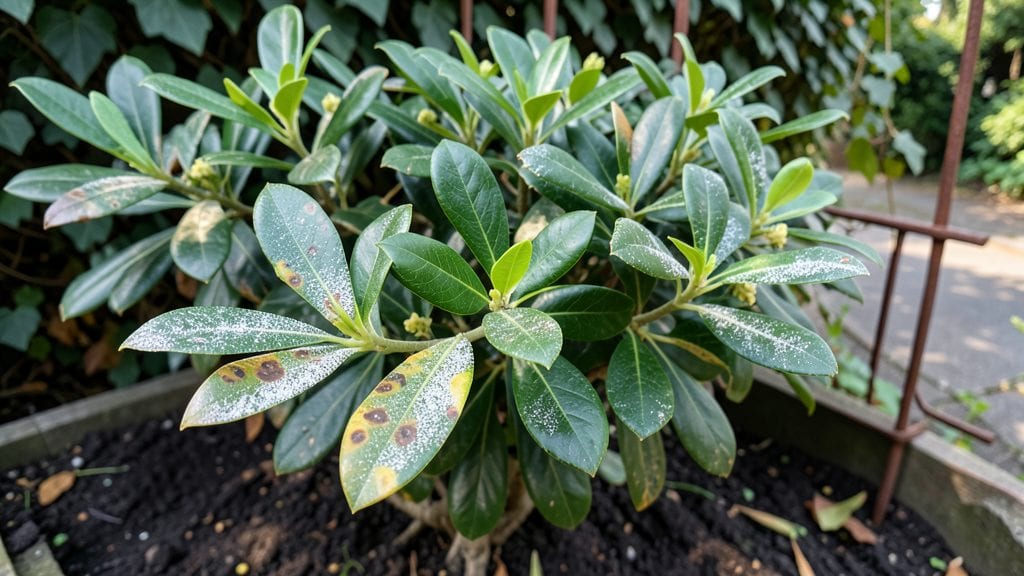
Laurel plant diseases can turn your glossy evergreen from a statement shrub to a sad, spotted mess—unless you catch them early. 🌿 I’ve spent years diagnosing the same five fungal and bacterial threats on my own laurels, and the key is knowing what to look for before the damage spreads.
The worst offenders usually start with yellowing leaves or strange spots, but the real trouble begins when the fungus or bacteria moves into the stems. Powdery mildew coats leaves in white dust, while bacterial leaf spot creates water-soaked splotches that ooze when touched.
Root rot, on the other hand, shows up as wilting even when the soil is damp—because the roots can’t absorb water anymore.
Once you spot the problem, organic treatments like neem oil, copper fungicide, or a baking soda spray can turn things around—if you act fast. Prune infected branches immediately, improve airflow around the plant, and make sure your watering habits aren’t inviting disease in the first place.
With the right care, your laurels can bounce back stronger than ever.
This guide covers the five most common threats, their symptoms, and the exact steps to treat them without harsh chemicals. Whether you’re dealing with a new infection or just want to prevent future outbreaks, these solutions work for home gardeners—no green thumb required.
Root Causes of Laurel Plant Decline
Laurel plants—whether the fragrant Laurus nobilis or ornamental varieties like Prunus laurocerasus—can fall victim to diseases due to a mix of environmental stressors, microbial invaders, and cultural mismanagement. Understanding why these issues arise is the first step to prevention.
Below, we break down the key triggers behind laurel plant diseases, from fungal infections to bacterial rot, and how they exploit vulnerabilities in your plants.
Laurel plants thrive in well-draining soil, and when they’re waterlogged, their roots suffocate. Excess moisture creates the perfect breeding ground for Phytophthora (a water mold) and Pythium, pathogens that cause root rot.
These fungi thrive in saturated conditions, blocking nutrient uptake and leading to yellowing leaves, wilting, and eventual collapse.
Why it happens:
- Compacted or clay-heavy soil fails to drain, trapping water around roots.
- Overzealous watering—especially in containers—keeps roots soggy for days.
- Lack of mulch or raised beds in garden settings worsens drainage issues.
Actionable fix: Amend soil with perlite or sand, elevate pots, and ensure water drains within 24 hours. Pro tip: 🌡️ Stick your finger in the soil—if it’s damp past 2 inches, hold off on watering!
Fungal diseases like Cercospora leaf spot or Septoria spread via airborne spores, which land on laurel leaves and stems. High humidity (above 75%) and warm temperatures (60–80°F) turn these spores into aggressive invaders, creating dark spots, leaf drop, and defoliation.
Why it happens:
- Fungal spores from nearby infected plants or garden tools latch onto laurel foliage.
- Poor air circulation (e.g., dense plantings or thick mulch) traps moisture, giving fungi a foothold.
- Wet foliage from overhead watering or morning dew extends the spores’ window to infect.
Actionable fix: Space plants for airflow, water at soil level (not leaves), and prune for sunlight exposure. Pro tip: ✨ Sterilize pruners with rubbing alcohol to avoid spreading spores!
Bacterial diseases like Xanthomonas (causing bacterial leaf blight) or Pseudomonas (stem cankers) enter through wounds—pruning cuts, insect bites, or even hail damage. Once inside, they multiply rapidly, clogging vascular tissue and disrupting water/nutrient flow.
Why it happens:
- Open wounds from improper pruning or pests create entry points.
- High humidity + rain washes bacteria into cuts, accelerating infection.
- Stressed plants (due to drought, poor soil, or transplant shock) are easier targets.
Actionable fix: Use sterile tools when pruning, avoid overhead irrigation, and apply copper-based bactericides preventatively. Pro tip: 🔪 Seal pruning cuts with pruning sealant to deter bacterial entry!
Laurel plants lacking essential nutrients (like nitrogen, magnesium, or iron) become stress-prone, making them susceptible to diseases. For example, iron chlorosis (yellow leaves) weakens the plant’s defenses, while potassium deficiency reduces resistance to fungal attacks.
Why it happens:
- Poor soil quality (lack of organic matter or pH imbalances) limits nutrient availability.
- Over-fertilizing with synthetic salts burns roots, preventing uptake.
- Competition from weeds steals nutrients, starving your laurel.
Actionable fix: Test soil pH (ideal: 6.0–7.0 for laurels) and amend with compost or slow-release fertilizer. Pro tip: 💪 Use chelated iron for chlorosis-prone plants!
Insects like scale, aphids, or spider mites don’t just sap sap—they injure plant tissue, creating wounds where pathogens (like Botrytis) can invade. Heavy infestations also stress the plant, lowering its disease resistance.
Why it happens:
- Pests feed on sap, weakening cell walls and leaving entry points.
- Honeydew secretion (from aphids) fosters sooty mold, which blocks sunlight and further stresses the plant.
- Drought-stressed laurels attract pests, creating a vicious cycle.
Actionable fix: Monitor for pests weekly, use neem oil or insecticidal soap, and maintain plant health to deter infestations. Pro tip: 🕷️ Introduce ladybugs to naturally control aphids!
Quick Fixes for Laurel Plant Troubles
Reviving your laurel plant starts with identifying the right cure for its specific ailment. Below, we’ve mapped out practical, step-by-step solutions for the most common diseases, along with prevention tips to keep your plant thriving.
Whether it’s fungal infections, bacterial spots, or environmental stress, these fixes will help you turn things around fast—without losing hope (or your favorite green friend!).
Fungi thrive in damp, stagnant conditions, so drainage, airflow, and quick action are your best defenses.
🔥 Treat Powdery Mildew What to do:
- 🍳 Spray with a fungicide (like neem oil or sulfur-based spray) every 7–10 days until symptoms fade.
- 👨🍳 Prune infected leaves—don’t compost them!
Bag and discard to prevent spread. - 🥘 Improve airflow by spacing plants 2–3 feet apart or trimming overgrown branches.
💡 Prevention tip: ✔ Water at the base (avoid wetting leaves) and water early in the day so foliage dries quickly.
🥘 Fix Root and Stem Rot
What to do:
- ⏰ Act fast! Remove the plant from its pot and trim away mushy, black roots with sterilized scissors.
- 🔪 Repot in fresh, well-draining soil (mix in perlite or sand) and use a pot with drainage holes.
- 🌡️ Let the soil dry out between waterings—stick your finger in the soil; if the top 1–2 inches are damp, wait.
💡 Prevention tip: ✔ Never let laurel plants sit in saucers of water—empty excess after watering.
Bacteria spread like wildfire, but copper-based sprays and hygiene can stop them in their tracks.
🔪 Handle Bacterial Leaf Spot
What to do:
- 🍳 Apply a copper fungicide (like Bordeaux mixture) every 10–14 days for 2–3 weeks.
- 👨🍳 Remove spotted leaves immediately—sterilize pruners with rubbing alcohol between cuts.
- 🥘 Disinfect tools and pots—soak in a 10% bleach solution (1 part bleach to 9 parts water) for 10 minutes.
💡 Prevention tip: ✔ Avoid overhead watering—use a drip irrigation system or watering can with a narrow spout.
🌡️ Stop Canker and Dieback
What to do:
- 🔪 Prune infected stems ½ inch below the blackened or oozing areas.
- 🍳 Spray with a systemic antibiotic (like streptomycin) for severe cases—follow label instructions carefully.
- ✨ Boost plant health with a balanced fertilizer (like 10-10-10) to strengthen defenses.
💡 Prevention tip: ✔ Sanitize pruning tools before and after each use to prevent cross-contamination.
Sometimes, the "disease" is just your laurel plant crying for help—fix these issues to see it bounce back.
💪 Revive Nutrient Deficiencies
What to do: - 📊 Test soil pH—laurel prefers 6.0–7.0.
Adjust with lime (to raise pH) or sulfur (to lower it). - 🥗 Feed with iron chelate for yellowing leaves (chlorosis) or a balanced fertilizer for overall weakness. - 🍎 Check for pests (like spider mites)—wipe leaves with soapy water if needed.
💡 Prevention tip: ✔ Fertilize in spring and early summer—avoid heavy feeding in fall/winter.
🌧️ Fix Overwatering or Drought Stress
What to do:
- 🥘 If soil is soggy: Let it dry out completely, then repot in fresh soil.
- 🌡️ If soil is bone-dry: Water deeply but reduce frequency—laurel hates "wet feet" but also doesn’t like thirsting.
- ✨ Mulch lightly (1–2 inches) to retain moisture without smothering roots.
💡 Prevention tip: ✔ Water deeply but infrequently—aim for 1–1.5 inches per week (adjust for climate).
Final Thought: Most laurel diseases are preventable with good hygiene, proper watering, and a little vigilance. Act fast when you spot trouble, and your plant will reward you with lush, disease-free foliage in no time! 🌿💚
Frequently asked questions
Why do my laurel leaves turn yellow first at the edges?
Yellowing leaf edges usually signal nutrient deficiencies (like iron or nitrogen) or overwatering. Check soil moisture—if it’s soggy, roots may be suffocating. For yellowing, test soil pH (6.0–7.0 ideal) and apply chelated iron or compost. If new growth is also yellow, it’s likely a deficiency; if older leaves yellow first, check drainage.
Can I save a laurel with black, mushy stems?
That’s likely stem rot from overwatering or fungal/bacterial infection. Cut away all blackened stems ½ inch below the damage, then repot in fresh, sterile soil with perlite. Sterilize tools with rubbing alcohol and avoid watering until soil dries completely. If roots are also mushy, prune those too—healthy roots should be firm and white.
How do I tell if white spots are powdery mildew or just dust?
Rub a leaf gently—powdery mildew leaves a white, powdery residue that won’t wipe off, while dust just smears. Check the undersides of leaves first (fungi love shaded areas). Treat with neem oil spray (1 tsp per quart of water) every 7–10 days and improve airflow by thinning dense foliage.
Is it safe to prune diseased laurel branches?
Yes, but sterilize your tools first—wipe blades with rubbing alcohol between cuts to prevent spreading pathogens. Bag infected branches (don’t compost them!) and dispose of them immediately. Prune in dry weather to avoid splashing bacteria/fungi onto healthy tissue. For severe cases, disinfect pruners with a 10% bleach solution after use.
Why does my laurel get diseases every year?
Recurring issues usually stem from poor cultural habits. Common culprits: overhead watering (keeps leaves wet), compacted soil (traps moisture), or crowded plantings (blocks airflow). Fix by watering at the base, spacing plants 2–3 feet apart, and amending soil with compost. Rotate prevention strategies yearly—like alternating copper sprays with neem oil.