
Companion Plants
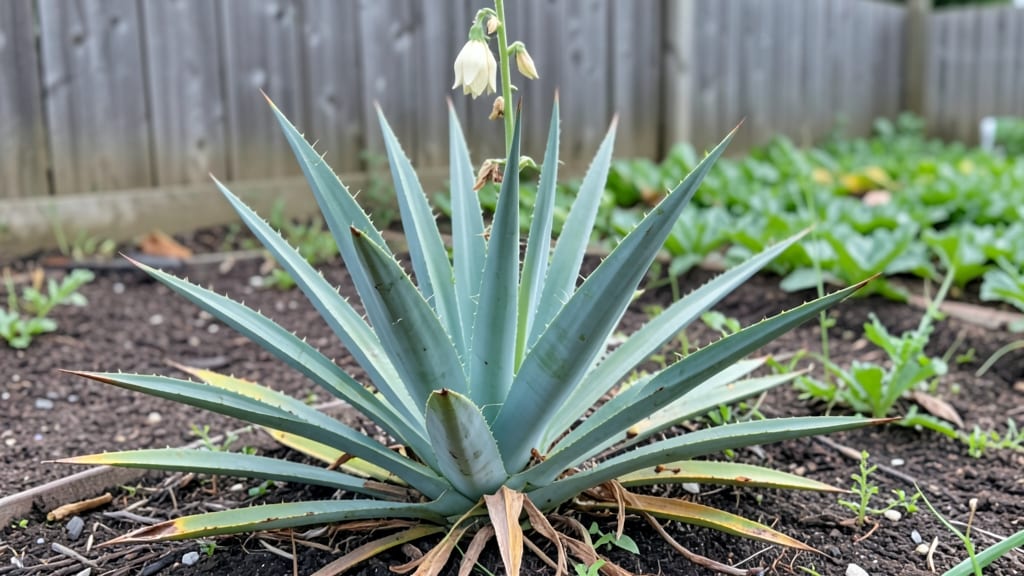
Long-lived plants aren’t just survivors—they’re the backbone of a garden that thrives for decades. 🌿 I’ve watched my lavender bushes grow from tiny starts to fragrant, waist-high giants, and my boxwood hedges stand strong through droughts and freezes.
These plants don’t just come back every year; they improve with age, their roots spreading deeper, their blooms more abundant, and their presence more rewarding.
The secret to their longevity isn’t complicated—just consistent care. Most gardeners overwater or over-fertilize, which actually shortens their lifespan. Instead, focus on well-draining soil, pruning at the right time, and protecting them from pests without harsh chemicals.
A single peony plant can live for over 100 years if given the right conditions, while fruit trees like apples or pears can produce for 50+ years with proper maintenance.
You’ll end up with a garden that feels like a living legacy—less work, more beauty, and a space that evolves with you. Imagine walking past the same rosemary bush every summer, its scent stronger each year, or watching hostas multiply effortlessly.
These plants pay you back in low-maintenance reliability and stunning seasonal interest, from spring blooms to winter structure.
Perfect for busy gardeners, small spaces, or anyone tired of replanting every year. The best part? You can mix them into any design—formal hedges, cottage borders, or wildflower meadows. Let’s get these long-lived stars planted for good.
📚 In This Guide
- What you need
- Instructions
- Tips and common mistakes
- Wrapping up and next steps
What you need
- ● Perennial Plants: Choose slow-growing, hardy varieties like lavender, peonies, hostas, or coneflowers (3–5 plants per type for variety).
- ● High-Quality Soil: 10–20 bags of organic compost or well-draining potting mix (avoid heavy clay).
- ● Mulch: 5–10 bags of wood chips, straw, or pine bark (2–3 inches thick) to retain moisture and suppress weeds.
- ● Organic Fertilizer: 1–2 bags of balanced, slow-release fertilizer (e.g., 10-10-10 or composted manure).
- ○ Watering System: A drip irrigation kit or soaker hose (optional but ideal for consistency).
- ● Garden Gloves: 1 pair of durable, breathable gloves (e.g., leather or nitrile-coated).
- ● Hand Trowel: 1–2 stainless-steel or ergonomic trowels for precision planting.
- ● Pruners: 1 pair of sharp, bypass pruners for clean cuts (sterilize with rubbing alcohol!).
- ● Garden Fork: 1 heavy-duty fork for aerating soil without disturbing roots.
- ● Measuring Tape: 1 10-foot tape for spacing plants 12–36 inches apart.
- ● Plant Supports: Stakes or cages for tall perennials (e.g., delphiniums or hollyhocks).
- ● Soil pH Test Kit: Adjust soil acidity/alkalinity if needed (aim for 6.0–7.0 for most perennials).
- ● Compost Tea: Homemade or store-bought for a nutrient boost (especially for new plantings).
- ● Seasonal Mulch: Extra straw or leaves for winter protection in cold climates.
How to establish perennials for lifelong garden impact
Here's the method I've used to keep perennials thriving for decades—no shortcuts, just proven techniques.
🌱 Step 1: Select Site and Soil for Long-Term Success
Choose a location with 6+ hours of sunlight daily—most perennials reward longevity with bigger blooms when planted in full sun. I always test soil drainage first by digging a 12-inch deep hole and filling it with water. If it drains within 4 hours, the site is perfect. Slow drainage? Amend with 2-3 inches of compost mixed into the top 12 inches of soil.
Perennials hate soggy roots, so avoid low spots where water pools. The ideal spot has well-draining soil that holds moisture but never stays waterlogged. If your soil is heavy clay, mix in 1 part sand or perlite to 3 parts native soil before planting. This single adjustment prevents root rot and extends plant lifespan by years.
💧 Step 2: Plant at Proper Depth and Spacing
Dig holes twice as wide as the root ball but only as deep as the container. Perennials planted too deep suffocate, while shallow planting exposes roots to temperature swings. Gently remove the plant from its container and loosen any circling roots with your fingers—this encourages outward growth instead of girdling the stem.
Space plants according to their mature size—check the tag for recommended spacing. Overcrowding leads to competition for nutrients and invites fungal diseases. I like to mound backfill soil around the roots, creating a slight depression at the base to help water settle where it's needed most. Water deeply immediately after planting to eliminate air pockets.
☀️ Step 3: Mulch and Water for First-Year Establishment
Spread 3-4 inches of organic mulch (like shredded bark or straw) over the soil surface, keeping it 2 inches away from stems to prevent rot. Mulch conserves moisture, regulates soil temperature, and suppresses weeds—three critical factors for long-lived perennials. Replenish mulch annually as it breaks down.
Water deeply once a week during the first growing season, aiming for 1 inch of water per week. You'll know you've watered enough when the soil 6 inches down feels uniformly moist. Avoid frequent shallow watering, which encourages weak root systems. After the first year, most established perennials need water only during prolonged dry spells.
✂️ Step 4: Prune Strategically for Longevity
Timing matters most—prune right after flowering for spring-blooming perennials like peonies or columbines, and in early spring for those like coneflowers that bloom on new growth. Cut back to just above the lowest set of healthy leaves or to 1/3 of the plant's height, whichever comes first. Never remove more than 1/3 of the plant's foliage at once.
Deadhead spent blooms regularly to redirect energy into root development instead of seed production. I use clean, sharp pruners and sterilize them with rubbing alcohol between cuts to prevent disease spread. Over time, this practice keeps plants vigorous and extends their blooming seasons by weeks.
🌿 Step 5: Fertilize and Divide Periodically
Apply a balanced organic fertilizer (10-10-10) in early spring when new growth appears, using half the recommended rate. Perennials need less fertilizer than annuals—they're built to thrive with minimal feeding. I top-dress with compost instead of granular fertilizer every other year to improve soil structure gradually.
Divide clumps every 3-5 years when the center dies out. Dig up the plant in early spring or fall, separate the sections with a sharp spade, and replant the healthiest portions. This rejuvenation step prevents decline from overcrowding and ensures decades of vigorous growth. You'll know it's time to divide when you see fewer blooms and leggy stems in the center of the plant.
Tips & tricks for perfect perennial planting
These proven strategies will help your perennials thrive for decades with minimal effort—once you know the secrets.
Soil Drainage Test: The 4-hour drainage test in Step 1 is non-negotiable. If water lingers beyond this time, you're risking root rot that can kill perennials in just a few seasons. For heavy clay soils, I recommend mixing in 1 part sand or perlite to 3 parts native soil—this creates the perfect balance of moisture retention and drainage. Think of it as building a foundation for your plants' long-term health.
Root Ball Prep: In Step 2, when loosening circling roots, don't just pull them apart—gently tease them outward with your fingers. This encourages outward growth rather than creating a girdled stem that strangles the plant over time. I've seen perennials planted this way thrive for 20+ years without needing division, while neglected root balls often fail within 5 years.
Mulch Depth Matters: The 3-4 inches of mulch in Step 3 isn't just for looks—it's a moisture regulator and temperature stabilizer. Keep it 2 inches away from stems to prevent rot, but don't skimp on coverage. I've seen gardens where mulch was only 1-2 inches thick, and those plants struggled through droughts while properly mulched perennials thrived. Think of mulch as your plant's winter coat and summer umbrella.
Pruning Precision: When pruning in Step 4, use clean pruners and make cuts at a 45-degree angle just above a leaf node. This simple technique prevents water from pooling on the cut and reduces disease risk. I sterilize my pruners with rubbing alcohol between cuts—this one habit has kept my perennials disease-free for over a decade. The 1/3 rule for foliage removal is critical; exceeding this can shock the plant and reduce next year's blooms.
Pro Tips for Long Lived Plants
- These proven strategies will help your perennials thrive for decades with minimal effort—once you know the secrets.
- Soil Drainage Test: The 4-hour drainage test in Step 1 is non-negotiable.
- Root Ball Prep: In Step 2, when loosening circling roots, don't just pull them apart—gently tease them outward with your fingers.
Frequently asked questions
Got questions about nurturing long-lived plants? You’re not alone! Here are some of the most common queries—and straightforward answers—to help you keep your perennials thriving for years to come.
What’s the easiest way to extend the lifespan of my long-lived plants?
Focus on three key habits: well-draining soil (amend with compost), consistent watering (deep but infrequent), and seasonal pruning (remove dead foliage in early spring). Mulching also protects roots from temperature swings—2–3 inches of organic mulch works wonders!
How long do most perennials actually live, and when should I expect them to decline?
With proper care, many perennials like lavender, hostas, or coneflowers can live 10–20+ years. Signs of aging include reduced blooms, leggy stems, or crowded centers. If you notice these, it’s time to divide or replace (typically every 3–5 years for most species).
Can I grow long-lived plants in containers, or do they need in-ground planting?
Many perennials thrive in containers—dwarf varieties like ‘Blue Daze’ salvia or ‘Little Spire’ bee balm are perfect. Just ensure large pots (10+ gallons), drainage holes, and regular feeding (use slow-release fertilizer). Rotate pots yearly for even sunlight exposure.
What’s the best way to troubleshoot pests or diseases in long-lived plants?
Start with prevention: healthy plants resist pests. For issues like aphids or powdery mildew, use neem oil or insecticidal soap. If fungal diseases strike, improve airflow (space plants 18–24 inches apart) and remove infected leaves. For stubborn problems, consult a local nursery for plant-specific solutions.
Are there any long-lived plants that thrive in shady or dry climates?
Yes! For shade, try heuchera (coral bells), astilbe, or ferns—they’re hardy and low-maintenance. In dry climates, opt for sedum, yarrow, or Russian sage; they’re drought-tolerant once established. Always check your USDA hardiness zone for best matches!
Wrapping up and next steps
Long-lived plants are the ultimate gift to your garden—offering decades of beauty, sustainability, and low-maintenance joy. By choosing perennials wisely, providing the right care, and embracing their resilience, you’re not just planting flowers—you’re investing in a thriving, ever-evolving landscape. Now’s the time to take action!
🌱 Your Next Step: Plant & Nurture
Start small with just one or two perennials this season, then expand as you gain confidence. Watch them grow, learn from their needs, and soon, your garden will be a self-sustaining paradise—all thanks to these hardy, long-lived stars. Happy gardening! 🌿