
Trees
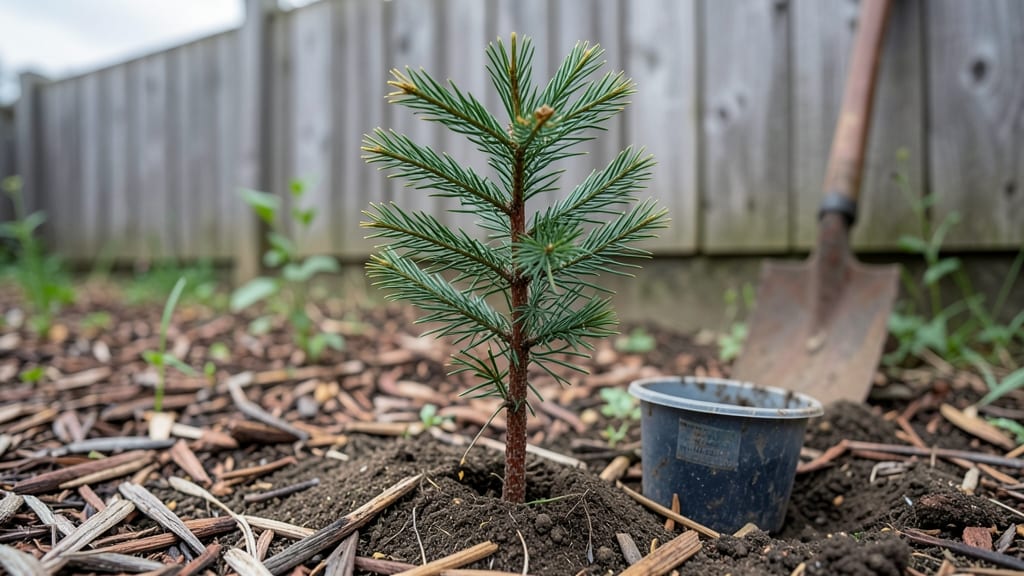
Planting redwood trees isn't just gardening—it’s bringing a piece of the ancient forest to your land. 🌲 These towering giants thrive when you match their coastal roots to your climate, and I’ve simplified the process so even beginners can succeed.
The key? Understanding their space needs, soil hunger, and patience for slow-but-sure growth.
You’ll need well-draining soil, plenty of room (they spread wide as they grow tall), and either a bare-root sapling or container-grown tree. Coastal redwoods love moisture but hate soggy feet—think of them as thirsty but not drowning.
My first redwood took three years to really establish, but now it’s a 20-foot sentinel in my yard.
By following these three simple steps, you’ll see steady growth—new needles every spring, thicker trunks each year. The payoff? A living monument that outlives most garden plants. Ready to plant one that’ll still be standing when your great-grandkids are gardening?
Whether you’re in a coastal climate or a humid inland zone, adjustments make this work. Let’s get those roots in the ground the right way—no guesswork, just proven techniques for your redwood’s future.
📚 In This Guide
- What you need
- Instructions
- Tips and common mistakes
- Wrapping up and next steps
What you need
- ● Redwood seedlings or saplings: 1-3 (depending on space), preferably 1-3 feet tall with healthy root systems.
- ● Shovel or spade: 1 sturdy, sharp-edged tool for digging holes (12-18 inches deep and wide).
- ● Garden fork or trowel: 1 for loosening soil and planting roots gently.
- ● Well-draining soil mix: 1 bag (50 lbs) of compost or peat-based soil amended with perlite or sand (for sandy coastal areas).
- ● Mulch (wood chips or bark): 2-3 cubic feet to retain moisture and suppress weeds.
- ● Watering can or hose with a gentle nozzle: 1 for hydration (redwoods love moisture!).
- ○ Stakes and twine (optional but helpful): 2-3 stakes (4-6 feet tall) and twine to support young saplings.
- ● Soil pH tester to ensure acidic (5.5-7.0) conditions (redwoods prefer slightly acidic soil).
- ● Organic fertilizer (e.g., fish emulsion or compost tea) for nutrient boost.
- ● Erosion control fabric if planting on slopes.
- ● Pruning shears for trimming damaged branches post-planting.
Instructions for planting redwood trees
Here's my straightforward approach to giving these coastal giants the best possible start.
🌱 Step 1: Choose the Perfect Planting Spot
Redwoods thrive in coastal climates with mild summers and high humidity. Look for a location with partial shade to full sun—they tolerate shade better than full sun once established, but young trees need bright light to grow strong. The soil should be well-draining but consistently moist—redwoods hate soggy roots but need steady water.
Test your spot by digging a 12-inch deep hole. If water pools after 30 minutes, amend the soil with compost or organic matter to improve drainage. I always check the surrounding area for overhead power lines—redwoods grow 200+ feet tall and will outgrow any nearby structures in decades.
🪴 Step 2: Prepare the Hole and Plant Carefully
Dig a hole twice as wide as the root ball but no deeper—redwood roots spread wide but stay shallow. Gently loosen the root ball of your young tree (if it's in a container) by tapping the sides of the pot to encourage roots to grow outward. Remove the tree from the container and place it in the hole so the top of the root ball sits 1-2 inches above ground level—this prevents water from pooling around the stem.
Backfill the hole with the original soil (mixed with a little compost if needed) and tamp it down lightly with your hands. Water deeply right after planting to settle the soil and eliminate air pockets. I always add a 3-inch layer of mulch around the base (but not touching the trunk) to retain moisture and regulate soil temperature.
☀️ Step 3: Water and Protect for the First Year
Water your redwood deeply once a week for the first year, providing 1-2 gallons per watering depending on the tree's size. Young redwoods need consistent moisture to establish their root systems—let the top 2 inches of soil dry out between waterings to avoid overwatering. During the first growing season, you'll see new growth appear in spring and early summer—this is your sign the tree is settling in.
Protect young redwoods from strong winds and direct sun until they're established. I use a lightweight shade cloth during the hottest months to prevent leaf scorch. Avoid fertilizing in the first year—redwoods grow slowly and don't need extra nutrients right away. Instead, focus on keeping the soil moist and the roots undisturbed.
Tips & tricks for perfect redwood planting
These simple tricks will help you give your coastal redwood the best possible start without the guesswork.
Soil Test Tip: That 30-minute water test in Step 1 is crucial—if water pools, you're dealing with heavy clay soil. To fix it, mix in equal parts compost and coarse sand to create the perfect well-draining environment. I've seen redwoods struggle in compacted soil, so don't skip this step even if your spot seems ideal at first glance.
Root Ball Prep: When loosening the root ball in Step 2, focus on the outer edges where new roots form. Tap the pot gently but firmly—you're not trying to break roots, just encouraging them to spread outward. If your tree comes with a wire basket, cut through it completely before planting to prevent girdling as the tree grows.
Mulching Strategy: That 3-inch mulch layer in Step 2 works wonders, but here's the secret: use wood chips or bark mulch rather than shredded bark. The larger pieces break down slower, maintaining moisture better and reducing the need for frequent watering. Just remember to keep it 2-3 inches away from the trunk to prevent rot.
Watering Wisdom: The once-weekly watering in Step 3 should happen in the early morning to reduce evaporation. Use a soaker hose or drip irrigation for deep, consistent watering that reaches the root zone without wetting the foliage. This mimics natural rainfall patterns and helps prevent fungal issues.
Pro Tips for Planting Redwood Trees
- These simple tricks will help you give your coastal redwood the best possible start without the guesswork.
- Soil Test Tip: That 30-minute water test in Step 1 is crucial—if water pools, you're dealing with heavy clay soil.
- Root Ball Prep: When loosening the root ball in Step 2, focus on the outer edges where new roots form.
Frequently asked questions
Got questions about growing your own coastal giants? Here’s what you need to know before planting redwood trees—from timing to troubleshooting!
What’s the best time of year to plant redwood trees?
Plant redwoods in early spring or fall when soil is moist but not waterlogged. Avoid summer heatwaves or freezing winters—young roots are sensitive! Coastal redwoods thrive in mild climates, so aim for 40–60°F (4–15°C) soil temps. If you must plant in summer, water deeply daily and mulch heavily to retain moisture.
How often should I water newly planted redwood trees?
Water deeply 2–3 times per week for the first year, soaking the root zone (12–18 inches down). After establishment, redwoods are drought-tolerant but prefer consistently moist soil. Use a drip irrigation system or soaker hose to avoid wetting foliage (fungus risk!). Mulch with wood chips to lock in humidity.
Can I grow redwood trees in containers or small yards?
Redwoods need space to stretch—they grow 2–3 feet per year and can reach 300+ feet tall! For containers, choose dwarf varieties like ‘Compacta’ (max 20–30 ft tall) and use a 50+ gallon pot with drainage. In small yards, plant near property lines or use espalier training to guide growth vertically. Not recommended for tight urban spaces.
Why are my redwood tree’s needles turning brown?
Brown needles usually signal overwatering, underwatering, or root stress. Check soil moisture—if soggy, improve drainage; if dry, water deeply. Fungal diseases (like needle cast) can also cause browning. Prune affected branches, avoid overhead watering, and apply copper fungicide if needed. Redwoods are resilient, but consistent care prevents long-term damage.
Do redwood trees attract pests or diseases?
Redwoods are naturally pest-resistant, but watch for aphids, spider mites, or bark beetles in stressed trees. Diseases like Phytophthora root rot thrive in waterlogged soil—plant in well-draining areas. Preventative tip: Space trees 30+ feet apart for airflow, and fertilize lightly with compost or balanced 10-10-10 in early spring to boost vigor.
Wrapping up and next steps
Planting redwood trees isn’t just about nurturing towering giants—it’s a legacy for future generations. 🌲 From choosing the right soil to providing consistent care, these coastal wonders thrive with patience and passion.
Whether you’re a seasoned gardener or a curious beginner, your efforts will leave a lasting impact on the environment.
Ready to take the next step? Start small—plant one redwood seedling today! Research local nurseries, connect with tree-planting communities, or even volunteer for reforestation projects. Every seedling counts, and your green thumb could help restore forests one giant at a time.