
How To
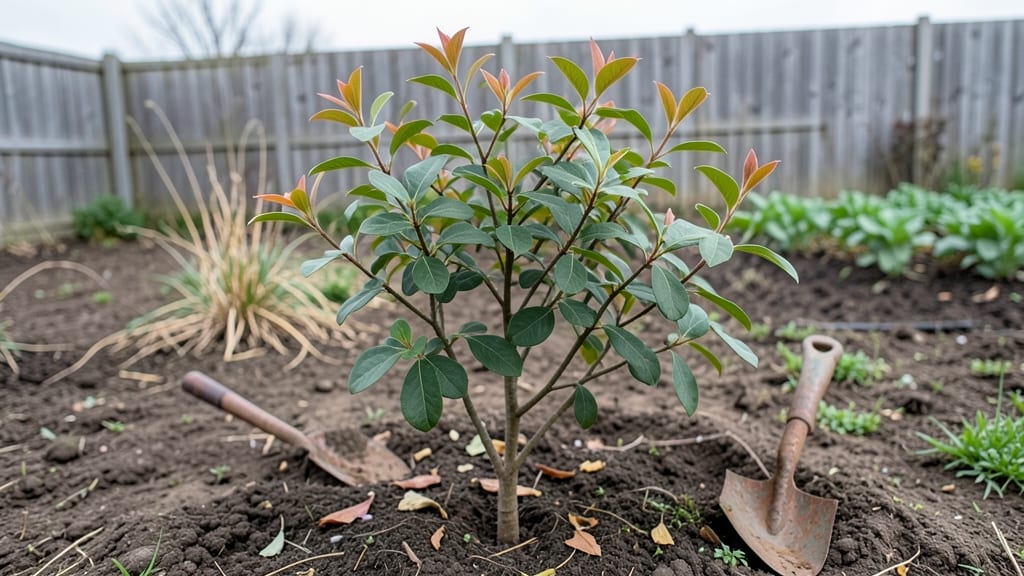
Planting crape myrtles in clay soil feels like fighting a losing battle—until you learn the right tricks. 🌿 The key isn’t forcing roots to adapt but giving them the space and structure they need to thrive.
Clay holds water like a sponge, suffocating roots and stunting growth, but with the right prep, your crape myrtle will spread its vibrant blooms like it’s in perfect soil.
Start by loosening the clay with 2-3 inches of compost and sand mixed into the top 12 inches of soil. This breaks up compaction and lets roots breathe. Dig a hole twice as wide as the root ball but only as deep—crape myrtles hate sitting too low, which drowns them.
A drainage trench filled with gravel around the hole helps excess water escape, keeping roots from sitting in soggy soil.
After planting, mulch with 2-3 inches of wood chips to keep moisture steady and prevent weeds from competing. Water deeply once a week, soaking the root zone rather than giving light, frequent drinks.
Within a month, you’ll see new growth pushing through—proof the roots have found their footing. The real test? Next summer, when those clusters of blooms light up the yard like fireworks.
This method works for any clay-heavy yard, whether you’re planting a single specimen or a whole row. The secret isn’t avoiding clay but working with it—turning what feels like a curse into the perfect foundation for strong, showy crape myrtles that last for decades.
Now, grab that shovel and let’s get started.
📚 In This Guide
- What you need
- Instructions
- Tips and common mistakes
- Wrapping up and next steps
What you need
- ● Crape myrtle plants: 1-2 (choose dwarf varieties like ‘Arapaho’ or ‘Tonto’ for smaller spaces, or standard types like ‘Muskogee’ for bold impact).
- ● Organic matter amendments: Composted manure (5-10 gallons per plant)
- ● Leaf mold or well-rotted compost (10-15 gallons per plant)
- ○ Peat moss or coconut coir (optional, 5 gallons per plant if soil is extremely dense)
- ● Soil conditioners: Gypsum (10-20 lbs per 100 sq ft to break up clay)
- ● Perlite or coarse sand (5-10 gallons per plant to improve drainage)
- ● Slow-release fertilizer: 1 lb of 10-10-10 or 12-12-12 per plant (for initial planting).
- ● Mulch: 2-3 inches of pine straw, shredded bark, or wood chips (cover a 3-foot radius around the plant).
- ● Garden shovel or spade (for digging holes and amending soil)
- ● Garden trowel (for precision around roots)
- ● Wheelbarrow or large bucket (for mixing amendments)
- ● Garden hose or watering can (with a gentle spray nozzle)
- ● Gloves (to protect your hands from rough soil)
- ○ Soil pH test kit (optional but helpful—aim for pH 6.0-7.0 for crape myrtles)
- ● Measuring tape or ruler (to ensure proper planting depth)
- ● Choose a sunny spot (6+ hours of direct sunlight daily).
- ● Test your soil’s drainage: Dig a hole, fill it with water, and time how long it takes to drain. If it takes more than 6 hours, you’ll need extra amendments!
- ● Schedule planting on a cool, cloudy day or water deeply before/after to reduce transplant shock.
Step-by-Step instructions for planting crape myrtle in heavy clay
Here's how to give your crape myrtle the drainage and nutrients it craves in stubborn clay soil.
🪴 Step 1: Test and Amend the Soil Before Planting
Start by digging a 12-inch deep hole at your planting location. Clay soil holds water like a sponge, so you'll need to improve drainage. Fill a clean jar halfway with water, then pour it into the hole. If the water drains in less than 30 minutes, your soil is workable. If it pools for hours, you'll need more amendments.
Remove the clay from the hole and mix in 2 parts compost and 1 part coarse sand (like builder's sand) to break up compaction. I like to add a handful of gypsum too—it helps clay loosen over time. Refill the hole halfway with this amended mix and let it settle for a day before planting.
🌱 Step 2: Prepare the Crape Myrtle for Planting
Choose a healthy 1-2 gallon crape myrtle with vibrant green leaves and no signs of wilting. Before planting, trim any broken branches and prune back any leggy growth by one-third. This encourages bushier growth later. Soak the root ball in water for 1-2 hours to hydrate the roots—clay soil will dry out quickly after planting, and you want them to establish fast.
While the roots soak, loosen the outer edges of the root ball with your fingers. This prevents root circling, which happens when roots grow in tight circles around the container. The goal is to encourage outward growth into your amended soil.
☀️ Step 3: Plant at the Correct Depth and Mulch
Place your crape myrtle in the hole so the top of the root ball sits 1 inch above ground level. Clay soil settles heavily, so planting too deep can suffocate the roots. Fill the hole with your amended mix, tamping down gently as you go to remove air pockets. Water deeply to settle the soil around the roots.
Spread a 3-inch layer of mulch (like pine straw or shredded bark) over the soil surface, keeping it 6 inches away from the trunk. Mulch helps regulate soil temperature and prevents water from pooling against the bark, which can cause rot. Replenish the mulch layer every 6 months to maintain its effectiveness.
💧 Step 4: Water Deeply and Monitor Soil Moisture
After planting, water the crape myrtle with 5 gallons of water, letting it soak into the amended soil. You want the roots to establish in moist conditions, but avoid waterlogging. Over the next 2 weeks, water deeply every 2-3 days until the top 6 inches of soil feel damp. After that, water only when the soil feels dry to the touch.
Clay soil can be tricky—it drains poorly when wet but cracks when dry. To check moisture, stick your finger 2 inches into the soil. If it feels dry, water thoroughly. If it's still damp, wait another day. Crape myrtles are drought-tolerant once established, but young plants need consistent moisture to root properly.
✂️ Step 5: Prune and Fertilize for Long-Term Health
Wait until late winter or early spring to prune your crape myrtle for the first time. Remove any dead or crossing branches, then cut back the remaining branches by one-third to encourage new growth. Avoid "crape murder"—the aggressive pruning that leaves stubs, as it weakens the plant.
Apply a slow-release fertilizer in early spring and again in midsummer to provide steady nutrients. Crape myrtles thrive in well-draining soil, so avoid high-nitrogen fertilizers, which promote leafy growth at the expense of flowers. Instead, use a balanced 10-10-10 or 20-20-20 formula to support both foliage and blooms.
Tips & tricks for planting crape myrtle in clay soil
These simple tricks will help you transform stubborn clay soil into the perfect home for your crape myrtle—no gardening degree required.
The Drainage Test: That 30-minute water test in Step 1 is your soil's report card. If water disappears quickly, you're golden—just amend as directed. But if it pools, don't panic! Add an extra 1 part perlite to your compost-sand mix. Perlite creates tiny air pockets that clay desperately needs. I've seen clay turn into workable soil with this simple addition—it's like giving your dirt a breath of fresh air.
Root Ball Prep: When loosening the outer edges of the root ball in Step 2, don't go too deep—just the outer inch or two. You're not trying to create a root salad, just encouraging those roots to spread outward into your amended soil. Think of it like gently massaging a tense muscle—just enough to get things moving, not enough to cause damage. This simple step prevents that "root circling" nightmare that can strangle your plant.
Mulch Placement: That 6-inch clearance around the trunk when applying mulch in Step 3 isn't arbitrary—it's crucial. Clay soil already holds moisture like a sponge, and mulch piled against the trunk creates a perfect recipe for rot. Imagine wearing a sweaty wool sweater in summer—exactly what your tree trunk doesn't need. Plus, keeping mulch away from the base prevents those pesky weeds from stealing nutrients meant for your crape myrtle.
Watering Wisdom: After that initial 5-gallon soaking in Step 4, resist the urge to water daily. Clay soil can actually suffocate roots if kept too wet. Instead, use the finger test—stick your finger 2 inches deep. If it feels like a damp sponge (not dripping wet), wait another day. I've seen too many well-meaning gardeners drown their plants in clay, thinking more water is always better. Your crape myrtle will thank you for this patience.
Pro Tips for Planting Crape Myrtle In Clay Soil
- These simple tricks will help you transform stubborn clay soil into the perfect home for your crape myrtle—no gardening degree required.
- The Drainage Test: That 30-minute water test in Step 1 is your soil's report card.
- Root Ball Prep: When loosening the outer edges of the root ball in Step 2, don't go too deep—just the outer inch or two.
Frequently asked questions
Got questions about planting crape myrtles in clay soil? You're not alone! Here are answers to the most common concerns—so you can grow stunning, healthy trees with confidence.
How do I improve drainage in heavy clay before planting?
Amend the soil with organic matter like compost, pine bark fines, or sand (coarse, not fine) to break up compaction. Mix in 1–2 inches of gypsum (for clay) or perlite to loosen the soil. Test drainage by digging a 12-inch hole—if water pools after 6 hours, add more amendments. Pro tip: Work amendments into the top 12–18 inches of soil for best results.
When is the best time to plant crape myrtles in clay?
Plant in early spring or fall when soil is workable but not frozen. Avoid summer heatwaves or winter freezes, as clay stays cold/wet longer. Fall planting (6–8 weeks before first frost) gives roots time to establish before winter. If planting in spring, water deeply 2–3 times per week until roots adapt to the heavy soil.
Will crape myrtles grow in pure clay with no amendments?
They can survive but may struggle with root rot, poor nutrient uptake, and stunted growth. Clay holds too much moisture, suffocating roots. If amendments aren’t an option, plant on a slight slope (1–2%) to encourage drainage. Choose dwarf varieties (like 'Arapaho' or 'Tonto') for smaller root zones. Warning: Yellowing leaves or wilting signal drainage issues—act fast!
Can I plant crape myrtles in raised beds over clay?
Yes! Raised beds bypass clay’s drainage problems by allowing water to escape freely. Fill with a mix of 60% topsoil, 30% compost, and 10% perlite/sand. Ensure beds have drainage holes at the bottom. This method works well in containers too—just use a pot with drainage and refresh soil every 2–3 years.
My crape myrtle leaves are yellow—is it the clay soil?
Yellow leaves often signal overwatering or poor drainage in clay. Check for:
- Mushy stems or foul smells = root rot (reduce watering, improve drainage).
- Crispy edges = underwatering (clay dries slowly; water deeply 1–2x/week).
- Pale green leaves = nutrient deficiency (add balanced fertilizer in spring).
Wrapping up and next steps
Planting crape myrtles in clay soil is absolutely doable—it just takes a little extra prep work to give your trees the best shot at thriving! 🌱 By amending the soil, improving drainage, and choosing the right spot, you’ll set the stage for stunning blooms and lush foliage. Now’s the time to roll up your sleeves and get growing!
Your next step? Pick a sunny weekend and start digging—literally! Test a small patch of your soil first, then follow the tips above to create the perfect planting conditions.
Before you know it, your yard will be bursting with vibrant crape myrtle color, and you’ll be the proud gardener who made it happen.