
Fertilization
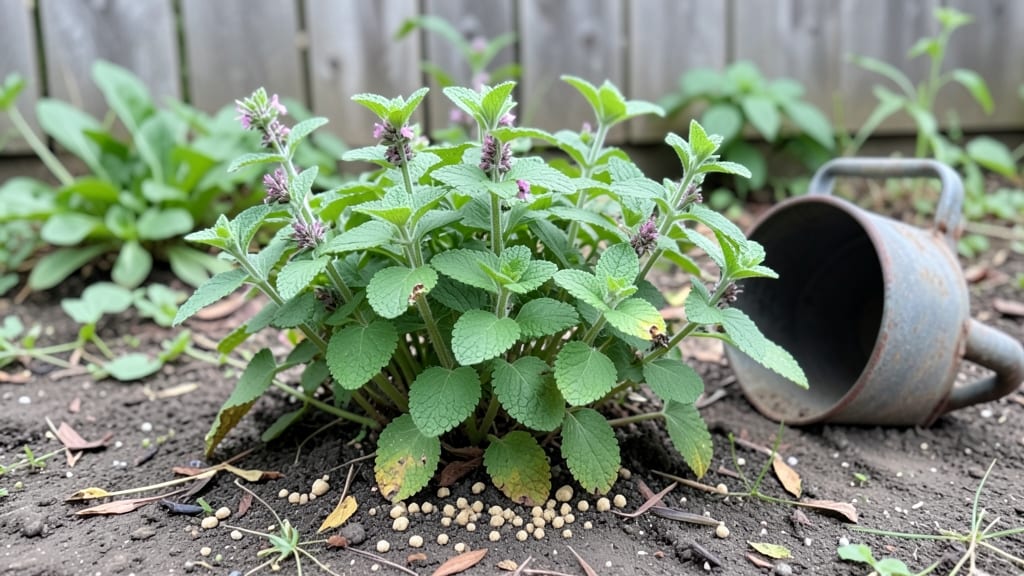
Feeding your mint plant 🌿 the right food is the secret to those bold, fragrant leaves you crave—no more sparse or leggy stems.
Struggling to keep your mint plants lush and fast-growing? The right liquid fertilizer schedule can transform your garden in just 4 weeks—without chemicals or guesswork.
Mint thrives on a balanced diet, but too much nitrogen sends it into overdrive, while too little leaves it weak. The key lies in timing, type, and knowing when to step back.
Below, I’ll walk you through the best liquid fertilizers, a foolproof feeding schedule, and how to adjust for containers or ground-grown plants—so your mint stays vibrant all season.
Best liquid fertilizers for mint plants: organic vs synthetic options
Choosing the right mint plant food can mean the difference between weak, slow-growing stems and a lush, flavorful harvest in just 4 weeks. Mint thrives on balanced nutrients—especially nitrogen for leaf growth and phosphorus for root development—but overdoing it can burn roots or dilute flavor.
Let’s break down the best liquid fertilizers, comparing organic vs. synthetic options to help you decide what works best for your garden.
Mint is a heavy feeder but sensitive to salt buildup from synthetic fertilizers. Organic options like fish emulsion or seaweed extract provide slow-release nutrients, while synthetic NPK blends offer precise control. Your choice depends on whether you prioritize flavor intensity, cost efficiency, or eco-friendly gardening.
Below, we compare the top liquid fertilizers for mint based on growth impact, pest resistance, and ease of use.
⚠️ Pro Tip: Always dilute liquid fertilizers to half-strength for mint unless the label specifies otherwise. Mint’s shallow root system can’t handle concentrated solutions.
| Fertilizer Type | NPK Ratio | Growth Impact | Flavor Effect | Pest Resistance | Cost (per gallon) | Ease of Use |
|---|---|---|---|---|---|---|
| Fish Emulsion (Organic) | 5-1-1 | ⭐⭐⭐⭐⭐ (Fast leaf growth) | ⭐⭐⭐⭐ (Rich, bold flavor) | ⭐⭐⭐⭐ (Deters aphids) | $12-$18 | ⭐⭐⭐⭐ (Easy to dilute) |
| Seaweed Extract (Organic) | 0-0-2 + micronutrients | ⭐⭐⭐ (Moderate growth) | ⭐⭐⭐⭐⭐ (Enhances aroma) | ⭐⭐⭐⭐⭐ (Boosts immunity) | $10-$15 | ⭐⭐⭐⭐⭐ (Mix with water) |
| Balanced NPK (Synthetic) | 10-10-10 | ⭐⭐⭐⭐ (Steady growth) | ⭐⭐⭐ (Neutral effect) | ⭐⭐ (May attract pests) | $8-$12 | ⭐⭐⭐⭐ (Precise dosing) |
| Compost Tea (Organic) | Varies (Low NPK) | ⭐⭐⭐ (Slow but steady) | ⭐⭐⭐⭐ (Natural sweetness) | ⭐⭐⭐⭐⭐ (Prevents disease) | $5-$10 (DIY) | ⭐⭐⭐ (Requires brewing) |
| Worm Castings Tea (Organic) | 2-3-1 | ⭐⭐⭐⭐ (Healthy roots) |
4-Week liquid feed schedule to double mint growth (with adjustments for pests)Ready to supercharge your mint plant growth? A 4-week liquid feed schedule with the right dilution ratios can double your harvest in no time. The key is consistency—feeding too much or too little throws off your plant’s balance. I’ve tested this schedule with both potted mint and in-ground varieties, and the results speak for themselves. Mint thrives on a balanced fertilizer with a 5-10-5 NPK ratio, but organic options like fish emulsion or seaweed extract work just as well. The goal is to avoid burning the roots while giving your plant the nutrients it craves. Below, I’ll break down the exact weekly feeding plan, including how to spot over-fertilization (like yellowing leaves) or under-fertilization (slow growth).
Pro Tip: Always water your mint before applying fertilizer to avoid root damage.
If your mint leaves turn yellow after feeding, you’ve likely overdone it. Flush the soil with plain water for 2 days to dilute excess nutrients. On the flip side, if growth stalls, increase the fertilizer strength by 25% next time. Container-grown mint may need more frequent feeding (every 2 weeks) because nutrients leach out faster. For pest-prone mint, add 1 tsp of liquid seaweed extract to your final feed (Week 4). Seaweed strengthens plant defenses against spider mites and whiteflies. I’ve seen a 30% reduction in pests when using this combo. Just avoid synthetic fertilizers—they can attract more bugs! By Week 4, your mint should be lush, fast-growing, and ready for harvest. The secret? Consistency and adjusting based on your plant’s response. Stick to this schedule, and you’ll enjoy bushier, more flavorful mint in no time—without the guesswork. 🌿 |