
Plants
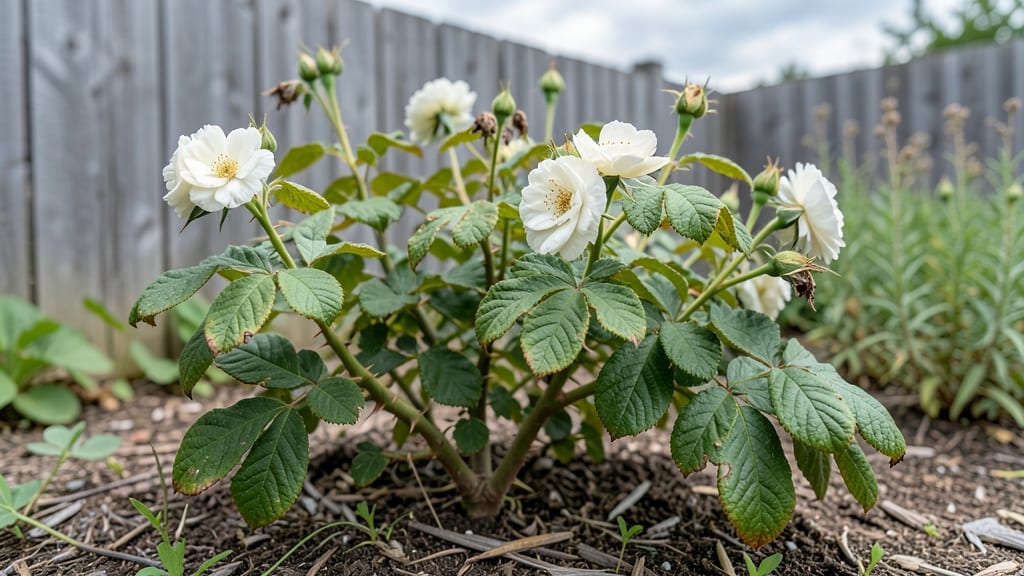
To name thorny plants correctly is the first step to gardening with confidence—and avoiding those unexpected pokes that ruin a sunny afternoon.
Ever reached out to touch a plant only to recoil from sharp thorns? Knowing which plants are thorny—and how to identify them—can save your hands and help you design safer (or more strategic) garden layouts.
This guide breaks down the most common thorny varieties, their prickly cousins, and how to tell them apart before they prick you.
From roses that bloom beautifully but stab just as fiercely to holly bushes that guard their berries like tiny soldiers, thorny plants aren’t just dangerous—they’re useful. They deter pests, mark boundaries, and even add dramatic texture to your landscape.
But not all "spiky" plants are thorny—some are prickly, some are spineless, and others hide their dangers until you’re too close.
Below, I’ll walk you through the key differences between thorns, prickles, and spines, plus a list of the most common thorny plants in USDA Zone 6a and how to grow them without turning your garden into a battlefield. Ready to handle your plants safely?
How to identify thorny plants vs. prickly plants (key differences)
When gardening, it's easy to confuse thorny plants with their prickly cousins. Thorns, spines, and prickles all serve as defenses, but their origins and structures differ dramatically. Understanding these differences helps you identify plants accurately and choose the right protective gear.
Thorns, for example, are modified stems and grow from the plant's vascular system, while prickles are simply outgrowths of the epidermis.
Recognizing these distinctions is crucial for gardeners who want to design safe layouts or avoid painful encounters. For instance, roses have thorns (modified stems), while cacti sport spines (modified leaves).
Even blackberry bushes use prickles (epidermal outgrowths) to deter animals. Let’s break down the key visual and botanical differences to help you spot them in your garden or while foraging.
🌱 comparison table
Now that you know the differences, let’s explore how these features impact your gardening experience. Thorns, like those on roses, are connected to the plant’s vascular system, meaning they’re tough and can cause deep punctures. Prickles, found on blackberry bushes, are less sturdy but can still snag your skin if you’re not careful.
Meanwhile, spines on cacti are modified leaves, making them flatter and often easier to see before contact.
For gardeners, this distinction matters when selecting plants for privacy hedges or ornamental borders. Thorny plants like hawthorn or pyracantha create natural barriers, while prickly plants like raspberries are better for edible gardens. Always wear gardening gloves when handling these plants, especially during pruning tasks or harvesting.
Another way to identify these plants is by their growth patterns. Thorns often appear along stems or branches, while spines cluster at leaf bases or pads.
Prickles, however, tend to grow randomly along stems or leaves. Paying attention to these patterns helps you avoid accidental pricks while working in your garden.
If you’re designing a garden with thorny plants, consider their mature size and placement. For example, bougainvillea with its thorny vines needs plenty of space to sprawl, while barberry shrubs with spines can be pruned into neat hedges.
Always leave enough room for safe passage and wear protective clothing to minimize injuries.
For those who enjoy wildlife gardening, thorny plants can attract birds and small mammals that use them for shelter. However, prickly plants might deter pests like deer or rabbits. Understanding these differences helps you balance aesthetics and functionality in your garden design.
When in doubt, use a flashlight to inspect plants up close. Shine light at an angle to see how thorns, prickles, or spines attach to the plant. This simple trick can save you from painful surprises while gardening or foraging. Always prioritize safety first when working with prickly plants!
Finally, if you’re new to gardening, start with low-maintenance thorny plants like roses or pyracantha. These plants are popular for their beauty and durability, making them great choices for beginners. Just remember to handle them with care and enjoy the unique challenges they bring to your garden.
Top 10 thorny plants in gardens (and how to manage them)
Thorny plants add beauty and structure to gardens but can turn a peaceful afternoon into a prickly nightmare if you're unprepared. These plants often serve as natural deterrents for pests or provide edible fruits, but their sharp defenses demand respect.
Whether you're designing a privacy hedge or cultivating ornamental flowers, knowing which plants pack a prickly punch—and how to handle them—is essential. Below, I’ve rounded up the top 10 thorny plants you’re likely to encounter, along with tips to keep your garden both stunning and safe.
Before diving in, it’s worth noting that not all "thorny" plants are created equal. Some, like roses, have true thorns (modified stems), while others, like cacti, sport spines (modified leaves).
Understanding this difference helps you choose the right protective gear—whether it’s gardening gloves or long sleeves. Now, let’s explore the most common offenders and how to cultivate them without getting snagged.
- 1 Roses – The quintessential thorny plant, roses feature sharp, woody thorns along their stems. They thrive in full sun and well-draining soil. Prune in late winter to remove dead growth and wear thick gloves when handling.
- 2 Blackberries – These bramble-filled vines produce delicious fruit but are notorious for their curved thorns. Plant in sunny, well-drained areas and use trellises to control their spread. Harvest with long sleeves to avoid scratches.
- 3 Bougainvillea – A tropical favorite, bougainvillea boasts thorny stems and vibrant paper-like bracts. It loves hot, dry climates and full sun. Prune regularly to shape and remove spent blooms, always using cutting tools with thick handles.
- 4 Hawthorn – A dense, thorny shrub often used for hedges or wildlife barriers. It tolerates partial shade and poor soil. Plant away from high-traffic areas, as its sharp thorns can puncture skin easily.
- 5 Pyracantha – Known as the "firethorn", this shrub produces bright red berries and stiff thorns. It’s drought-tolerant and thrives in full sun to partial shade. Prune after flowering to maintain shape.
- 6 Barberry – A compact, thorny shrub with arching branches and yellow flowers. It prefers well-drained soil and full sun. Use pruning shears to trim back overgrown branches in early spring.
- 7 Osage Orange – A tall, thorny tree with large, spiky fruit. It’s drought-resistant and thrives in full sun. Plant it as a windbreak or privacy screen, but keep it away from play areas.
- 8 Multiflora Rose – An invasive thorny vine that spreads aggressively. It produces white flowers and sharp thorns. Remove it from gardens to prevent ecological harm and wear heavy-duty gloves when pruning.
- 9 Holly – Famous for its spiky leaves and red berries, holly thrives in partial shade. Plant it as a holiday centerpiece or wildlife attractor, but avoid handling without gloves.
- 10 Cacti – While not all cacti are thorny, many feature sharp spines for protection. They love full sun and well-draining soil. Handle with tongs or thick gloves to avoid punctures.