
Flowers
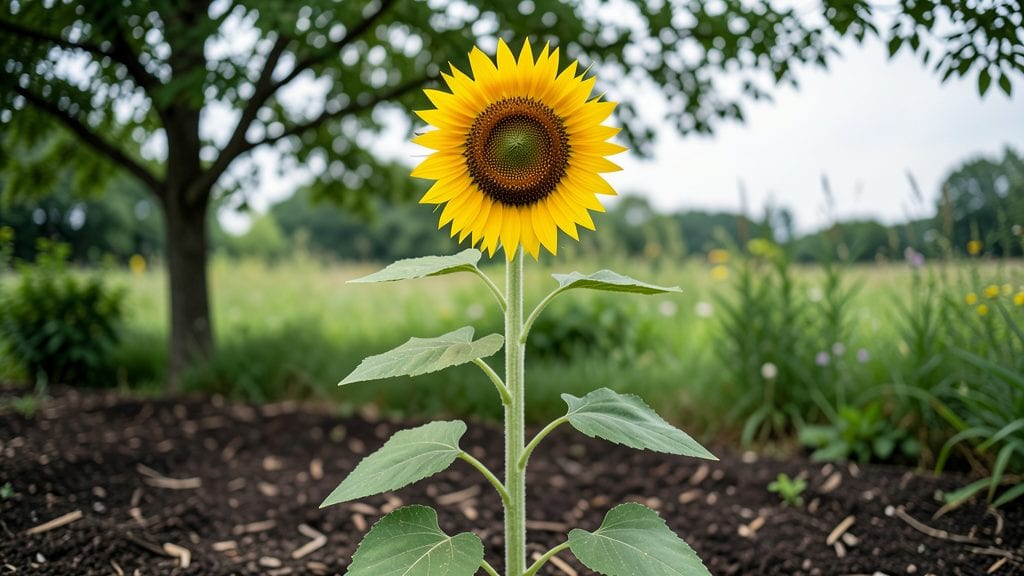
Growing oil sunflower plants transforms your garden into a source of golden, cold-pressed oil—the same high-quality product you’d buy at specialty stores, but with seeds you grew yourself. 🌻 I learned the hard way that not all sunflowers yield oil-rich seeds; the right variety and growing conditions make all the difference.
This isn’t just about pretty blooms—it’s about cultivating a plant that rewards you with nutrient-dense seeds for pressing into oil.
The process starts with well-draining soil and full sun—six to eight hours daily—because oil sunflowers demand both. Plant seeds ½ inch deep after the last frost, spacing them 18 inches apart in rows 2 feet apart to give roots room to establish.
Water deeply once a week, ensuring the soil stays moist but not soggy, as overwatering leads to weak stems and poor seed development. The key is consistency: let the top inch dry between waterings to prevent fungal issues.
By mid-summer, you’ll see tall, sturdy stalks reaching 5 to 6 feet, topped with 3- to 4-inch blooms that close by afternoon—a telltale sign of oil-rich varieties. Harvest the seeds when the back of the flower head turns yellow and the petals drop.
Leave the heads on the stalk for 2–3 weeks to fully dry, then rub them to collect the seeds. With proper drying, you’ll have plump, oil-filled seeds ready for pressing—no store-bought substitutes needed.
Watch for bird damage (use netting) and powdery mildew (space plants properly and avoid overhead watering). In cooler climates, opt for early-maturing varieties like ‘NuSun’ to ensure seeds ripen before frost.
Once you’ve mastered the harvest, pressing the seeds at home yields a rich, golden oil with a nutty aroma—far superior to commercial versions. The first batch will feel like a triumph; subsequent years just get easier.
📚 In This Guide
- What you need
- Instructions
- Tips and common mistakes
- Wrapping up and next steps
What you need
- ● Sunflower seeds: 50–100 high-oil varieties (e.g., NuSun or Peredovik). Buy organic, non-GMO seeds for best results.
- ● Potting soil: 2–3 bags (10–20 lbs each) of well-draining, organic potting mix (or garden soil with compost).
- ● Containers or garden space: Containers: 5-gallon pots (1–2 per plant) with drainage holes.
- ● Garden bed: Full sun (6+ hours/day) and loose, fertile soil.
- ● Watering can or hose: With a gentle spray nozzle for seedlings.
- ● Fertilizer: Balanced organic fertilizer (10-10-10) or compost tea for seedlings.
- ● Hand trowel or transplanting spade for digging.
- ● Pruning shears for harvesting seed heads.
- ○ Cold-press kit or manual oil press (optional but recommended for DIY oil extraction).
- ● Drying rack or mesh screen to dry seed heads (sunny, well-ventilated area).
- ● Storage containers: Airtight jars or bags for seeds (keep in a cool, dark place).
- ● Seedling heat mat (for faster germination in cool climates).
- ● pH test kit (ideal soil pH: 6.0–7.5).
- ● Row covers (to protect young plants from pests).
- ● Food-grade solvent (if using a solvent-based press, though cold-pressed is preferred!).
Step-by-step guide to growing sunflowers for cold-pressed oil
Here's how to cultivate sunflowers specifically for their high-oil seeds—we'll focus on the varieties that yield the richest, most stable oil for pressing.
🌱 Step 1: Select and Prepare High-Oil Sunflower Varieties
Choose oil-type sunflower seeds (like 'NuSun' or 'Pervenets')—these produce seeds with 40-50% oil content, far higher than confectionery types. Start with 4-6 plants to yield enough seeds for meaningful oil extraction. I plant mine in full sun (6+ hours daily) with well-draining soil—sunflowers despise soggy roots.
Test your soil's pH first—ideal range is 6.0-7.0. If your soil is heavy clay, mix in 2 gallons of compost per planting area to improve drainage. Space seeds 12-18 inches apart in rows 2 feet apart to prevent competition. Plant ½ inch deep—deeper planting delays germination.
☀️ Step 2: Maintain Optimal Conditions for Maximum Oil Yield
Water deeply 2-3 times per week once seedlings emerge, ensuring top 2 inches of soil stay dry between waterings. Overwatering dilutes oil content by increasing seed moisture. You'll see first true leaves in 7-10 days—this is when you can start fertilizing with a balanced 10-10-10 at ½ strength every 3 weeks.
Sunflowers grow fast—expect 6-8 foot stems by mid-summer. Stake tall varieties at 3 feet to prevent lodging. Watch for yellowing lower leaves—this signals maturity, not disease. Harvest when back of seed head turns yellow and seeds rattle inside the husk. Cut stems 2-3 inches above ground with pruners.
✂️ Step 3: Process Seeds for Cold-Pressing
Remove seeds by rubbing dried heads over a clean tarp or by hand. Spread seeds on a baking sheet in a single layer and dry at 120°F for 4-6 hours—this reduces moisture to <8% for optimal oil extraction. Store dried seeds in an airtight container until pressing.
For cold-pressing, use a manual oil press or small hydraulic press. Process seeds in batches of 1 pound at a time. The oil will separate naturally—collect the golden liquid from the bottom of the press. Strain through cheesecloth to remove any remaining particles. Store oil in dark glass bottles in a cool, dark place—it keeps for 6-12 months.
⏰ Step 4: Troubleshoot for Highest Yield
If your oil yield seems low, check seed moisture—too wet seeds (above 10%) reduce extraction efficiency. Also verify your sunflower variety—oil-type seeds produce 2-3 times more oil than snack varieties. I've found that harvesting in late afternoon when temperatures drop slightly preserves oil quality better.
Watch for bird damage—cover heads with netting once they form. If stems rot at the base, your soil stays too wet—amend with sand or perlite next season. The key to rich oil is dry seeds and proper pressing pressure—never rush the drying phase, even if seeds look dry on the surface.
Tips & tricks for perfect sunflower oil production
Mastering the art of cold-pressed sunflower oil takes patience and precision—here's what I've learned to maximize yield and quality.
Variety Selection: Don't settle for just any sunflower seeds! Oil-type varieties like 'NuSun' or 'Pervenets' contain 40-50% oil by weight, compared to just 25-30% in confectionery types. I've found that even a small garden with just 4-6 plants can yield enough seeds for meaningful oil extraction when using the right varieties.
Drying Precision: The 120°F for 4-6 hours drying phase is non-negotiable for optimal oil extraction. Use an oven thermometer to verify your oven's accuracy—many run hotter than set. Spread seeds in a single layer on baking sheets to ensure even drying. If seeds look dry on the surface but still feel damp when crushed, extend the drying time by 30 minutes rather than rushing the process.
Pressing Technique: When using a manual or hydraulic press, work in 1-pound batches for consistent pressure. Apply pressure gradually to avoid sudden oil splatter. The oil will naturally separate from the seed cake—collect it from the bottom of the press using a clean glass jar. For the first extraction, you'll get about 30-40% of the total oil from the seeds; subsequent pressings yield progressively less.
Storage Wisdom: Store your dried seeds in an airtight container with a silica gel packet to maintain moisture levels below 8%. For the pressed oil, use dark glass bottles and keep them in a cool, dark place—light and heat accelerate oxidation. Properly stored oil maintains its quality for 6-12 months, though I've found it's best used within the first 6 months for peak freshness.
Pro Tips for Oil Sunflower Plant
- Mastering the art of cold-pressed sunflower oil takes patience and precision—here's what I've learned to maximize yield and quality.
- Variety Selection: Don't settle for just any sunflower seeds!
- Drying Precision: The 120°F for 4-6 hours drying phase is non-negotiable for optimal oil extraction.
Frequently asked questions
Got questions about growing and processing your own oil sunflower plant? You’re not alone! Here are some of the most common queries—plus quick, actionable answers to help you crush it from seed to golden oil.
How long does it take for oil sunflowers to mature for seed harvest?
Oil sunflowers typically take 85–120 days to reach maturity, depending on the variety and climate. Early-maturing types (like ‘NuSun’) may be ready in as little as 80 days, while larger varieties could stretch closer to 130 days. Plant in full sun (6+ hours daily) and monitor soil moisture—consistent watering is key in the early stages!
Can I grow oil sunflowers in containers, or do they need a garden bed?
Oil sunflowers thrive in 5-gallon containers or larger with drainage holes. Use a well-draining potting mix and place them in a sunny spot (balcony, patio, or deck). Just ensure the container is at least 12–18 inches deep to support their taproot. Pro tip: Rotate containers weekly for even growth!
How do I know when sunflower seeds are ready to press for oil?
Seeds are ready when the back of the flower head turns yellow and the petals drop off. The seed heads should feel dry and papery when tapped—like a drum! Harvest on a dry day, cut the heads, and let them dry in a well-ventilated, dark space for 1–2 weeks. Store seeds in an airtight container until pressing.
What’s the best way to remove hulls from sunflower seeds before pressing?
Use a seed huller (or a clean, heavy-duty blender) to crack the seeds. Spread them on a tray and winnow them—either by hand (blow away chaff) or with a fan. For a quick hack, pulse seeds in a blender in short bursts until hulls separate, then sift through a fine mesh. Goal: 90% clean seeds for maximum oil yield!
Are there alternatives to oil sunflowers for home pressing?
Yes! Try safflower, flax, or hemp seeds—all yield edible oils with unique flavors. Safflower has a nutty, sunflower-like taste, while flax offers a rich, omega-3 profile. Just adjust pressing times (flax needs cooler temps to avoid going rancid). Start small—experiment with 1–2 cups of seeds to test your setup!
Wrapping up and next steps
Growing your own oil sunflower plant and extracting cold-pressed gold from seed to bottle is a rewarding journey—one that connects you to nature’s bounty while yielding a nutrient-rich treasure.
Whether you’re drawn to the health benefits, the sustainability, or the sheer joy of homemade oil, every step is a celebration of self-sufficiency. 🌻
Ready to take the next step? Start small—plant a few seeds, experiment with extraction methods, or even gift your harvest to friends. The possibilities are as endless as the sunflower’s golden potential! Now, grab those seeds and let your kitchen (and pantry) shine. 💛