
Watering
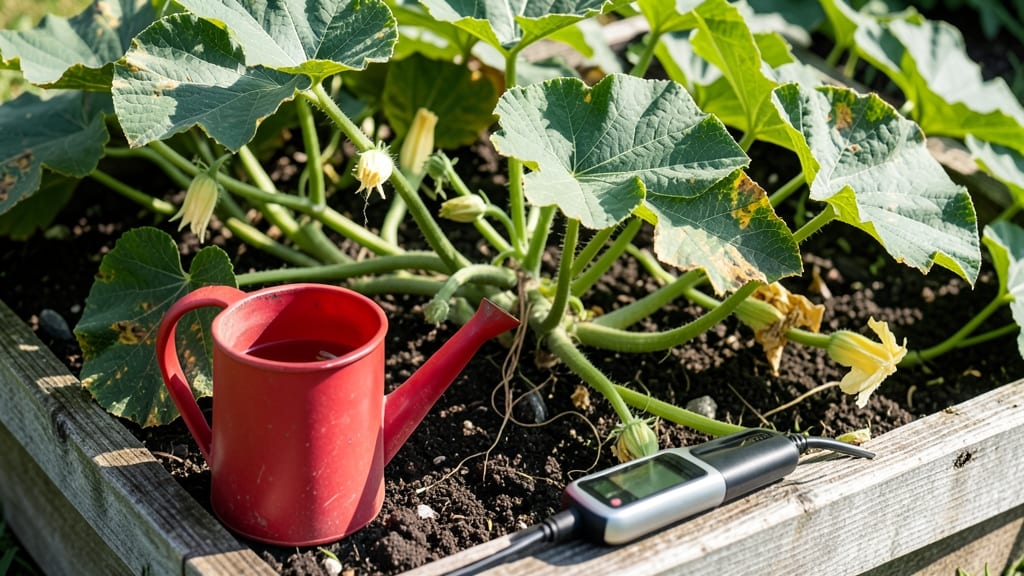
Overwatered squash plants turn your garden into a sad, soggy mess faster than you think. 🌱 I’ve seen healthy vines collapse into limp, yellowing piles within days—usually because well-meaning gardeners keep "helping" with extra water.
The good news? You can often bring them back with just a few adjustments and a little patience.
The first sign is usually droopy leaves that don’t perk up, even at night. Check the soil—if it’s soggy or smells like wet socks, you’ve got a drainage problem. Root rot sets in fast, cutting off the plant’s ability to absorb nutrients.
The key is stopping the water first, then giving the roots space to dry out before trying to fix things.
By adjusting your watering schedule, loosening compacted soil, and maybe even adding some organic matter, you’ll see new growth within a week or two. The vines might look rough at first, but with the right care, they’ll bounce back stronger than before—just don’t drown them again.
This works for both bush and vining squash, whether you’re growing zucchini, butternut, or pumpkins. The secret is consistency: check soil moisture before watering, and always aim for deep but infrequent drinks. Let’s get those plants back on track!
Root Causes Of Excess Moisture
When your squash plants start wilting despite a soggy soil base, the issue often boils down to a few key factors tied to water management, soil health, and environmental conditions. Understanding these root causes helps you address the problem at its source—before it’s too late.
Let’s dig into the science behind why your squash plants might be drowning in their own overabundance of water.
Squash plants thrive in well-draining soil that allows excess water to escape quickly. If your garden bed or container lacks proper drainage, water pools around the roots instead of flowing away. This can happen due to:
- Compacted soil: Heavy clay or tightly packed dirt blocks water movement, trapping moisture near the roots. Test it: Dig a small hole—if water sits in it after 30 minutes, drainage is poor.
- Improper container setup: Pots without drainage holes or those lined with plastic (instead of breathable fabric) create a waterlogged environment. Even "self-watering" containers can over-saturate if not monitored.
- Lack of organic matter: Soil high in sand or low in compost holds water poorly. Amend with perlite, vermiculite, or aged compost to improve aeration.
Pro tip: 💡 For containers, elevate them on saucers or stands to prevent water from pooling at the base.
Squash plants despise unpredictability. Overwatering often stems from:
- Daily light showers: Squash roots need 1–2 inches of water per week, delivered deeply but infrequently. Frequent shallow watering (like misting) keeps the topsoil wet while the lower roots suffocate.
- Ignoring weather changes: Rainy seasons or humid climates reduce evaporation, meaning the soil stays damp longer than usual. Adjust your schedule: Skip watering if rain provides 1+ inches of moisture.
- Automatic irrigation mishaps: Drip systems or timers set on a rigid schedule can drown plants if left running during rain or high humidity.
Fix it: 🌡️ Stick your finger 1–2 inches into the soil before watering. If it’s damp, wait. If it’s bone-dry, hydrate deeply.
Not all soil is created equal—and squash plants are picky about their growing medium. Heavy, water-retentive soils (like clay) or freshly tilled garden beds can smother roots by:
- Cutting off oxygen: Waterlogged soil displaces air in the pore spaces, suffocating roots. Squash roots need 10–15% air to function properly.
- Encouraging fungal growth: Excess moisture creates the perfect breeding ground for Phytophthora and Pythium, pathogens that rot roots and stems.
- Disrupting nutrient uptake: Overwatered soil leaches essential nutrients (like nitrogen and potassium) beyond the root zone, starving the plant.
Solution: ✨ Test your soil’s pH and texture. Aim for a loamy mix with 40–60% sand, 20–40% silt, and 5–20% clay. Add coarse sand or rice hulls to improve drainage.
Even with perfect watering habits, external factors can force your squash plants to drink more than they need:
- High humidity: Air saturated with moisture slows evaporation, keeping the soil damp longer. In tropical climates, this can double the risk of overwatering.
- Temperature swings: Cool nights or sudden chills reduce a plant’s ability to transpire (release water vapor), making it retain more moisture in the soil.
- Shade or poor airflow: Squash plants need 6–8 hours of sunlight daily. Shady spots or crowded plantings create microclimates where water evaporates slowly.
Adjust for resilience: 🔥 Prune nearby plants to improve airflow, and move containers to sunnier spots if possible. Mulch with straw to regulate soil temperature.
Once you identify which of these factors is at play, you can tailor your fix—whether it’s amending soil, tweaking your watering routine, or upgrading your containers. The key is balance: squash roots need moisture, but they’ll drown in kindness if given too much.
Revive Your Squash Plants Fast
Overwatered squash plants can feel like a gardener’s worst nightmare—🌱 drooping vines, yellowing leaves, and a soggy mess that stalls growth. But don’t toss those vines just yet! With the right fixes, you can nurse them back to health and even prevent future soggy soil disasters.
Let’s tackle the root causes and get your squash thriving again.
If your squash plants are already drowning, the first step is to cut back on watering—and fast. Soggy roots suffocate, leading to rot and fungal infections. Here’s how to act quickly:
- 🌧️ Pause Watering for 2–3 Days Let the soil dry out slightly before resuming. Stick your finger 1–2 inches into the soil—if it’s damp, wait longer.
- 💧 Adjust Your Watering Routine Squash plants need 1–1.5 inches of water per week (including rainfall). Water deeply but infrequently—early morning is best to reduce evaporation and fungal risks.
- ⚠️ Drainage Check If your garden bed or pots lack drainage holes, fix it now. Add a layer of gravel or perlite to containers to improve airflow at the roots.
Heavy, clay-like soil holds too much moisture, strangle roots, and block oxygen. Break up the problem with these steps:
- 🔪 Loosen the Soil Gently Use a fork or trowel to aerate the top 6 inches of soil around the plant. Avoid damaging roots—just fluff it up like a cake batter.
- 🌱 Add Organic Matter Mix in compost, aged manure, or coconut coir to improve soil structure. This helps water drain better while retaining moisture when needed.
- 🌡️ Mulch to Regulate Moisture Apply a 2–3 inch layer of straw or shredded leaves around the base (but not touching the stem). Mulch keeps soil cool and prevents water from evaporating too quickly.
Once you’ve stopped the waterlogging, give your squash plants a fighting chance with these recovery boosts:
- 💪 Prune Damaged Leaves Snip off yellow, mushy, or wilted leaves with clean scissors. This redirects energy to healthy growth and reduces fungal spread.
- 🌿 Support Weak Vines If vines are flopping, prop them up with small stakes or cages. Healthy squash needs airflow to dry quickly after watering.
- 🍽️ Fertilize Lightly (If Needed) Wait 1–2 weeks after reviving the plant before adding fertilizer. Use a balanced, low-nitrogen option (like 5-5-5) to encourage root and vine strength—not leafy growth.
Now that your squash is on the mend, keep these tips in mind to avoid repeat soggy soil scenarios:
- 📅 Watering Schedule Hack Use a moisture meter or the "squeeze test" (grab a handful of soil—if it crumbles, it’s dry enough).
- 🌧️ Rainy Day Plan If heavy rain is forecast, mound soil around the base of plants to create a temporary barrier against excess water.
- 🌱 Choose the Right Spot Next Time Squash loves full sun (6+ hours/day) and well-draining soil. Avoid low-lying areas where water pools.
- ✨ Pro Tip: Drip Irrigation If you’re prone to overwatering, drip lines or soaker hoses deliver water directly to roots without drowning the foliage.
💡 Quick Fix Summary Table Need a cheat sheet? Here’s your action plan at a glance:
| Problem | Fix It Now | Prevent Next Time |
|---|---|---|
| Too much water | Stop watering, let soil dry | Use a moisture meter |
| Compacted soil | Loosen soil, add compost | Mulch heavily |
| Yellow/wilted leaves | Prune damaged foliage | Fertilize lightly after recovery |
| Poor drainage | Improve pots/beds with gravel | Pick raised beds or slopes |
With these steps, your squash plants should perk up in 1–2 weeks—just give them time to bounce back. And remember: consistency is key! A little TLC now means bigger, healthier squash later. 🎉🍠
Frequently asked questions about soggy squash vines
Why do my squash leaves turn yellow and wilt when the soil feels damp?
Yellowing and wilting in moist soil signals root rot or oxygen starvation. Overwatering blocks air pockets in the soil, suffocating roots. Check for mushy stems at the base—this confirms rot. Stop watering immediately and let the soil dry out before acting.
How often should I water squash plants to avoid drowning them?
Squash thrives with 1–1.5 inches of water per week, including rainfall. Water deeply 2–3 times per week (early morning) rather than daily light sprinkles. Stick your finger 1–2 inches into the soil—if it’s damp, wait. Containers dry faster than garden beds.
Can I save a squash plant if the stems feel soft and mushy?
Soft, mushy stems mean advanced rot, but act fast! Prune all damaged leaves, improve drainage (add perlite or gravel), and move to a sunnier spot. If roots are black and smelly, the plant may not recover—but try it anyway. Prevention is key: never let soil stay soggy.
What’s the best way to fix compacted soil around squash roots?
Loosen the soil gently with a fork to 6 inches deep—avoid tearing roots. Mix in compost or coconut coir to improve structure. For containers, elevate them on stands to prevent water pooling. Mulch with straw to regulate moisture without compacting further.
Will fertilizing help my overwatered squash recover?
Wait 1–2 weeks after reviving the plant before fertilizing. Use a low-nitrogen (5-5-5) fertilizer to rebuild roots, not leaves. Over-fertilizing stressed plants worsens root burn. Focus first on drainage and pruning damaged foliage.