
Plants
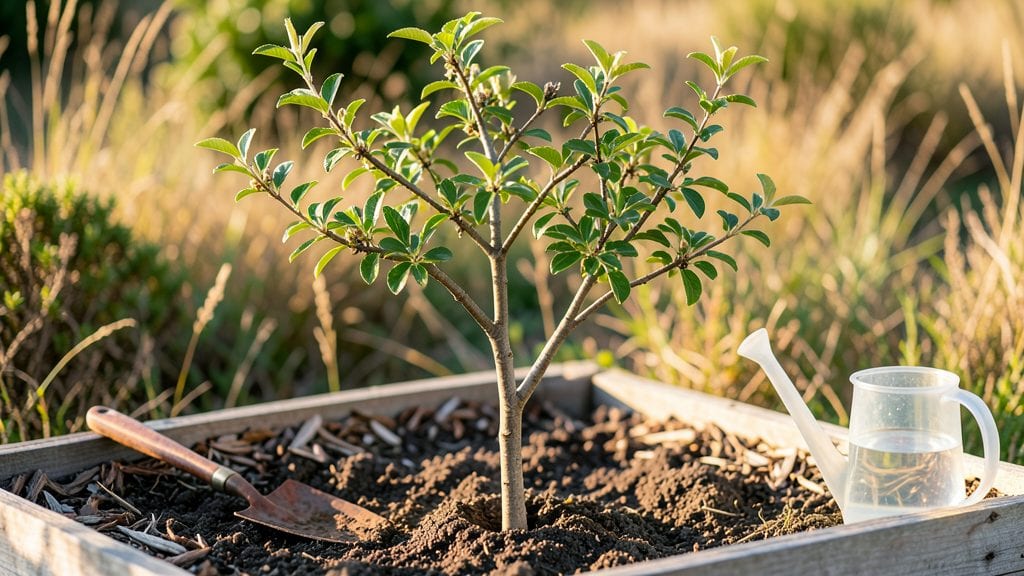
Growing a small peach plant lets you enjoy homegrown fruit without needing a backyard orchard. 🌱 I’ve grown these compact varieties on my city balcony, and they produce sweet, juicy peaches—just a fraction of the size of traditional trees.
The key is choosing the right dwarf variety and giving it the right care from the start.
You’ll need a sunny spot with at least 6-8 hours of light daily, well-draining soil, and a container at least 15 gallons if growing in pots.
Peach trees are surprisingly low-maintenance once established, but the first year is all about getting them off to a strong start with consistent watering and gentle pruning.
By summer’s end, you’ll see vibrant new growth and maybe even a few tiny peaches forming. The real magic happens in year two when the tree matures enough to bear a full harvest.
With proper care, these little trees can live for decades and keep producing fruit long after larger varieties would struggle.
Whether you’re planting in the ground or a container, the same basic rules apply—just adjust the space and support as needed. Here’s how to set yours up for success from day one.
📚 In This Guide
- What you need
- Instructions
- Tips and common mistakes
- Wrapping up and next steps
What you need
- ● Peach plant (dwarf or semi-dwarf variety): Choose a compact cultivar like 'Bonanza', 'Bonanza Red', or 'Redhaven' (available as bare-root or potted plants).
- ● Growing container (if not in-ground): A 5-gallon pot or larger (minimum 18" diameter) with drainage holes. Pro tip: Terracotta or fabric pots work best! 🌡️
- ● Well-draining potting mix: A blend of 60% garden soil, 30% compost, and 10% perlite/sand (or use a pre-mixed fruit tree mix).
- ● Slow-release fertilizer: Look for a balanced 10-10-10 NPK or organic option like fish emulsion (apply at planting and again in spring).
- ● Mulch: 2–3 inches of organic mulch (straw, wood chips, or pine bark) to retain moisture and regulate soil temp.
- ● Pruning tools: Sharp bypass pruners (for clean cuts).
- ● Sterilized hand pruners (for small branches).
- ● Staking or support: A 3–4 ft bamboo stake or tree tie kit to secure young plants (peaches can get top-heavy!).
- ● Drip irrigation or watering can: 1–2 gallons capacity for deep watering (peach plants need 1–2 inches/week).
- ● Pollination aid: A small paintbrush or bee-friendly companion plants (e.g., basil, thyme) to boost fruit set.
- ● Frost cloth: Lightweight frost protection fabric for early spring/fall (peaches are frost-sensitive!). ❄️
- ● Soil pH test kit: Ensure your soil is 6.0–7.0 pH (peaches prefer slightly acidic to neutral).
- ● Epsom salt: 1 tbsp/month in water (for magnesium boost, especially in container-grown plants).
- ● Bird netting: If you live in an area with bird pests (they love peach blossoms!).
Step-by-Step instructions for growing a compact peach tree
Here's how to grow a small peach variety that thrives in containers or tight spaces.
🪴 Step 1: Choose the Right Container and Soil
Start with a 5-gallon container with drainage holes—peaches need room for roots but won’t outgrow this size. I use a well-draining potting mix (never garden soil) blended with 20% perlite to prevent soggy roots. Fill the pot halfway, then tap gently to settle the soil without compacting it.
Peach trees hate wet feet, so add a 2-inch layer of gravel at the bottom for extra drainage. This ensures water flows out quickly and prevents root rot, which is the #1 killer of container-grown peaches. Pat the soil down lightly so it’s firm but still loose enough for roots to spread.
🌱 Step 2: Plant the Bare-Root Seedling Correctly
Place your dwarf peach tree in the center of the pot, ensuring the root flare (where roots meet the trunk) sits 1 inch above the soil line. This prevents the trunk from rotting if water pools around it. Gently spread the roots outward so they don’t curl up against the sides.
Fill the container with the remaining soil, pressing lightly around the roots to remove air pockets. Water deeply until it drains from the bottom holes—this settles the soil and helps roots make contact. Avoid burying the graft union (the bump near the base), as this can cause the tree to grow into a larger, less compact form.
☀️ Step 3: Provide Full Sun and Protection
Peaches need 6-8 hours of direct sunlight daily, but they also need shelter from strong winds, which can damage branches. Place your container in a south-facing spot where it gets morning sun and afternoon shade if temperatures exceed 90°F. A patio or balcony works perfectly.
If you’re in a hot climate, move the tree to a shadier spot during peak afternoon heat. Watch for leaf scorch (brown edges) as a sign it’s getting too much sun. Mulch the top of the soil with 2 inches of wood chips to retain moisture and keep roots cool.
💧 Step 4: Water and Fertilize for Compact Growth
Water when the top 2 inches of soil feel dry—peaches hate drought but also dislike soggy soil. I water deeply 2-3 times per week in summer, letting excess drain completely. Use a balanced fertilizer (10-10-10) every 4-6 weeks during growing season to encourage fruiting without excessive leafy growth.
Prune new growth to 3-4 main branches in early spring to maintain a bushy shape. Remove any suckers (shoots growing below the graft) immediately—they’ll turn into larger, less compact trees. Thin out crowded branches to improve airflow, which reduces disease risk.
⏰ Step 5: Winter Care for Small Trees
If temperatures drop below 20°F, move the container to a garage or unheated shed where it stays above freezing. Wrap the pot in burlap and cover the top with a frost blanket to protect the roots. In spring, uncover gradually to avoid shock—peaches hate sudden temperature swings.
Resume watering lightly in early spring (when soil is still cool) and fertilize again in late winter. You’ll see new growth within 2-3 weeks—that’s your sign the tree is recovering from dormancy. With patience, your compact peach will bear fruit in 2-3 years!
Tips & tricks for growing a compact peach tree
These practical tips will help you avoid common mistakes and maximize your dwarf peach tree's success in small spaces.
Drainage is Everything: That 2-inch gravel layer in Step 1 isn't just optional—it's critical. I've seen root rot destroy container peaches when growers skip this step. If your container doesn't have drainage holes, drill them yourself or use a cache pot with a second container inside. The goal is to keep roots from sitting in water longer than 24 hours.
Root Flare Position Matters: In Step 2, when placing your seedling, don't bury the root flare—leave it exactly 1 inch above soil level. I learned this the hard way after my first tree grew into a messy, uncompact shape because I planted it too deep. This simple adjustment keeps your tree bushy and true to its dwarf variety.
Sunlight Strategy for Small Spaces: The 6-8 hours of sunlight in Step 3 can be tricky in tight patios. If your space only gets morning sun, rotate the container every few days to ensure even exposure. For afternoon shade, use a sheer curtain rather than moving the tree—sudden temperature changes stress peaches. I've had great success with east-facing balconies that get morning sun and gentle afternoon light.
Pruning for Compact Shape: When pruning to 3-4 main branches in Step 4, focus on creating an open center. This improves airflow and sunlight penetration, which is crucial for fruit development. I prune in late winter when the tree is still dormant—this gives branches time to heal before spring growth begins. Use clean, sharp pruners to prevent disease transmission.
Pro Tips for Peach Small Plant
- These practical tips will help you avoid common mistakes and maximize your dwarf peach tree's success in small spaces.
- Drainage is Everything: That 2-inch gravel layer in Step 1 isn't just optional—it's critical.
- Root Flare Position Matters: In Step 2, when placing your seedling, don't bury the root flare—leave it exactly 1 inch above soil level.
Frequently asked questions
Got questions about growing a compact peach plant?
Here are answers to the most common queries—from spacing to pests and everything in between!
How much space does a dwarf peach tree need?
A dwarf peach plant typically requires 6–8 feet of space between trees to ensure proper airflow and sunlight. If growing in containers, a 15–20 gallon pot with drainage holes is ideal. Just avoid overcrowding—peaches need room to thrive!
When should I plant a peach small plant?
The best time to plant a dwarf peach tree is in early spring (after the last frost) or fall (6–8 weeks before the first frost). This gives roots time to establish before extreme temperatures. Avoid planting in summer heat or winter freezes!
What are common pests for peach small plants, and how do I prevent them?
Watch for aphids, peach tree borers, and spider mites. Use neem oil or insecticidal soap for soft-bodied pests. For borers, wrap the trunk with tree banding or apply beneficial nematodes. Prune regularly to improve airflow and reduce hiding spots.
Can I grow a peach small plant in a container?
Yes! Dwarf varieties like 'Bonanza' or 'Bonanza Redhaven' thrive in containers. Use a well-draining potting mix and a pot with at least 15 gallons of capacity. Move the container to a sunny spot (6+ hours of light) and fertilize monthly during growing season.
Do peach small plants need winter protection?
Even dwarf peaches need some winter care. Mulch the base with straw or wood chips to insulate roots. Wrap the trunk with burlap or tree wrap to prevent sunscald. In colder zones (<10°F), consider row covers or a small greenhouse for extra protection.
Wrapping up and next steps
Growing a peach small plant is a rewarding way to enjoy fresh, homegrown fruit—even in limited spaces! With the right compact variety, sunny spot, and a little care, you’ll soon be harvesting sweet, juicy peaches perfect for snacking or baking. 🍑✨
Ready to take the next step? Start by selecting your favorite dwarf or patio-friendly peach variety, gather your supplies, and give your tiny tree the love it deserves. Before you know it, you’ll be savoring the taste of success—literally!