
Fertilization
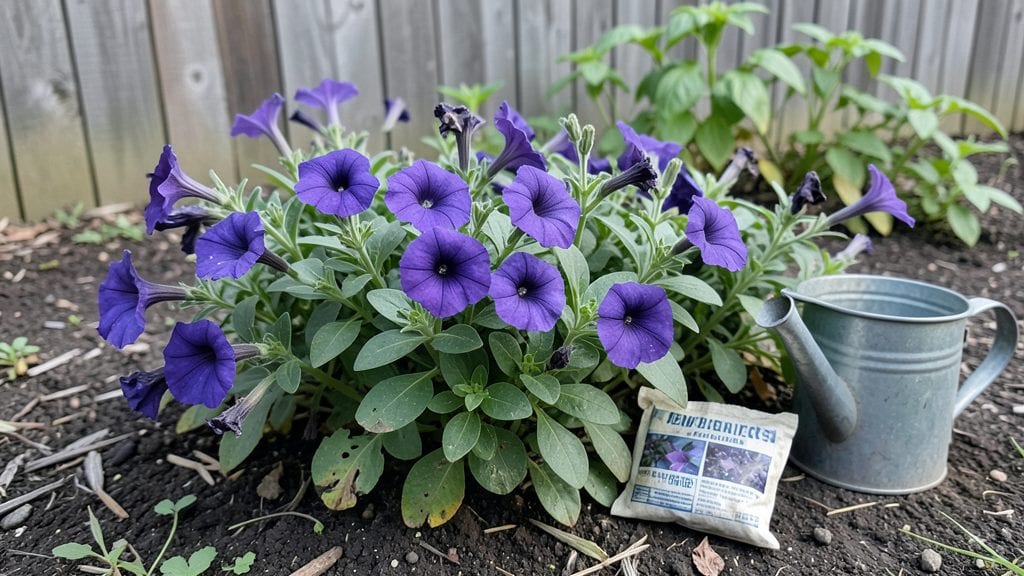
The best petunia plant food isn't just any fertilizer—it's the secret to flowers that last from spring until frost. 🌸 I learned this the hard way after my petunias wilted midseason, despite looking perfect at planting.
The key is matching nutrients to their needs: phosphorus for blooms, potassium for strength, and nitrogen only in moderation.
You don't need expensive mixes—start with a balanced 10-10-10 fertilizer for early growth, then switch to a 5-10-10 bloom booster once buds appear. Organic options like fish emulsion or compost tea work too, but they require more frequent applications.
The trick is consistency: feed every 2-3 weeks during active blooming, but cut back in extreme heat.
What you'll end up with is petunias that outperform store-bought plants—deeper colors, larger blooms, and flowers that don't fade after two weeks. The secret's in the timing: feed when soil feels dry to the touch, never when it's soggy.
Over-fertilizing causes leafy growth at the expense of flowers, and that's the mistake I see most often.
Works for container petunias, hanging baskets, or in-ground beds—just adjust the amount based on pot size. Here's how to get it right the first time, without burning your plants or breaking the bank.
📚 In This Guide
- What you need
- Instructions
- Tips and common mistakes
- Wrapping up and next steps
What you need
- ● Petunia fertilizer (store-bought): Balanced 10-10-10 NPK or 20-20-20 liquid fertilizer (1 gallon)
- ● Slow-release granules (e.g., Osmocote, 1 lb per 10 sq ft)
- ○ DIY fertilizer ingredients (optional but effective): 1 cup Epsom salt (magnesium sulfate) for green, lush foliage
- ● 1 tbsp fish emulsion (for nitrogen-rich boost)
- ● 1 tbsp kelp meal (trace minerals for resilience)
- ● 1 cup compost or worm castings (organic matter for soil health)
- ● Tools: Watering can or hose with spray nozzle
- ● Measuring cups/spoons (for precise mixing)
- ○ Gloves (optional, for handling fish emulsion or granules)
- ● Garden trowel (for applying granules to soil)
- ● Healthy petunia plants (no signs of disease or pests)
- ● Well-draining potting mix or garden soil (amend with perlite if heavy)
- ● Access to water (for diluting liquid fertilizers)
- ● Sunny location (petunias thrive in full sun, 6+ hours/day)
- ● Knowledge of your petunias’ current growth stage (seedlings vs. mature bloomers)
Step-by-Step guide to feeding petunias for stunning blooms
Here's how to transform your petunias into a nonstop floral show using the right feeding approach.
🌿 Step 1: Understand Petunia Nutritional Needs
Petunias thrive on a balanced fertilizer ratio of 10-10-10 or 20-20-20, but they're hungry for phosphorus to fuel blooms. I always check the label for the middle number—this is what makes flowers pop. Feed when you see new buds forming rather than waiting for established blooms.
Start with half-strength feedings every two weeks during active growth. Too much nitrogen (the first number) makes leaves grow fast but flowers flop. You'll see the difference immediately—strong stems with bold, abundant flowers instead of leafy stems with sparse blooms.
💧 Step 2: Apply Liquid Fertilizer Correctly
Use the liquid fertilizer you've chosen, mixing it with water in a clean spray bottle or watering can. I always dilute it to half-strength first—petunias are sensitive to salt buildup from concentrated feeds. Apply in the early morning when the soil is moist and plants aren't stressed by heat.
Focus on watering at the base rather than overhead spraying. This prevents fertilizer from sitting on petals, which can cause leaf burn and unattractive white residue. You'll know you're doing it right when the soil looks evenly damp without puddles.
☀️ Step 3: Supplement with Organic Boosts
Every four weeks, add a fish emulsion or seaweed extract to your watering routine. These organic boosts improve root health and stress resistance, which means more vibrant blooms. Mix 1 tablespoon of fish emulsion per 1 gallon of water and apply directly to the soil.
Watch for darker green leaves and sturdier stems—this shows the organic matter is working. I also sprinkle compost tea around the base monthly for extra micronutrients. The key is consistency: petunias respond best to regular, balanced feeding rather than occasional heavy doses.
✂️ Step 4: Deadhead and Feed Strategically
After each feeding, deadhead spent blooms by pinching off faded flowers with clean fingers or small scissors. This encourages new flower production and keeps plants looking tidy. I always feed right after deadheading—the plant uses the nutrients to push out fresh buds instead of wasting energy on seed production.
If you notice yellowing leaves, cut back on nitrogen and switch to a phosphorus-heavy feed like bone meal. Petunias tell you exactly what they need—more blooms or stronger foliage—so pay attention to their signals. You'll see longer bloom cycles and brighter colors within weeks.
⏰ Step 5: Adjust Feeding for Seasons
Reduce feeding in late summer when growth naturally slows. Petunias enter a dormant-like state and need less support. Switch to a low-nitrogen feed or hold off until spring. In fall, if temperatures stay mild, you can resume light feedings to extend the blooming season.
Always water thoroughly before feeding—this prevents fertilizer burn. I keep a feeding schedule on my phone with reminders for every two weeks in spring/summer and monthly in fall. The result? Petunias that bloom until frost with vibrant, long-lasting flowers that steal the show.
Tips & tricks for perfect petunia plant food
Here's what I've learned from years of growing vibrant petunias—these tricks make all the difference between ordinary blooms and show-stopping flowers.
Phosphorus Focus: Pay extra attention to that middle number on your fertilizer label. Petunias are phosphorus-hungry plants, and that's what fuels those bold, vibrant blooms. In Step 1, when you're choosing your 10-10-10 or 20-20-20 blend, remember that middle number is your secret weapon for longer-lasting flowers. I've seen petunias go from sparse blooms to overflowing baskets just by focusing on phosphorus!
Timing Secret: The two-week feeding schedule in Step 1 works wonders, but timing matters just as much as frequency. Always feed in the early morning after watering thoroughly—this gives the roots time to absorb nutrients before the heat of the day. I've made the mistake of feeding in the evening, and you'll see those white residue spots on the petals from fertilizer burn within days.
Organic Boost Strategy: When you're adding that fish emulsion every four weeks (Step 3), don't just pour it on and walk away. Mix it thoroughly with water first, then apply it directly to the soil at the base of the plant. I've found that adding a sprinkle of compost tea around the base monthly gives an extra micronutrient boost that makes the flowers even more vibrant. The key is consistency—petunias respond best to regular, balanced feeding rather than occasional heavy doses.
Seasonal Adjustments: Don't forget to adjust your feeding schedule as seasons change (Step 5). In late summer, when growth naturally slows, reduce to monthly feedings or switch to a low-nitrogen formula. I've seen petunias go from lush growth to sparse blooms when people don't adjust their feeding schedule—it's all about matching the plant's natural growth cycles.
Pro Tips for Petunia Plant Food
- Here's what I've learned from years of growing vibrant petunias—these tricks make all the difference between ordinary blooms and show-stopping flowers.
- Phosphorus Focus: Pay extra attention to that middle number on your fertilizer label.
- Timing Secret: The two-week feeding schedule in Step 1 works wonders, but timing matters just as much as frequency.
Frequently asked questions
Got questions about keeping your petunias blooming beautifully?
Here are some common ones—and their answers—to help you grow vibrant, long-lasting flowers with ease.
How often should I feed my petunias?
For best results, feed petunias every 2–4 weeks during the growing season (spring to fall). Use a balanced liquid fertilizer (like 10-10-10) or a slow-release granular formula. Pro tip: Stop fertilizing in late summer to encourage hardier blooms before winter.
Can I overfeed my petunias?
Yes! Overfeeding—especially with high-nitrogen fertilizers—can lead to leafy growth at the expense of flowers or even fertilizer burn. Always follow label instructions, and water thoroughly after applying to dilute excess nutrients. If you see yellowing leaves or stunted growth, flush the soil with water.
What’s the best natural petunia plant food?
For organic options, try compost tea, fish emulsion, or worm castings. You can also use banana peels (for potassium) or eggshells (for calcium) as DIY amendments. Just ensure they’re well-decomposed to avoid harming roots.
Why aren’t my petunias blooming after feeding?
Lack of blooms often means too much nitrogen or not enough sunlight. Switch to a phosphorus-rich fertilizer (e.g., 5-10-5) and ensure they get 6+ hours of sun daily. Deadheading spent blooms also encourages more flowers!
Can I use the same fertilizer for petunias and veggies?
Not ideal! Petunias thrive on balanced or phosphorus-heavy fertilizers, while veggies (like tomatoes) need more nitrogen. Mixing fertilizers can throw off nutrient ratios. For dual-purpose gardens, use separate containers or schedule feedings to avoid cross-contamination.
Wrapping up and next steps
Choosing the right petunia plant food is the secret to unlocking those stunning, long-lasting blooms you’ve been dreaming of! 🌸 Whether you opt for organic compost, balanced synthetic fertilizers, or slow-release granules, consistency is key—feed your petunias regularly and watch them thrive.
Now that you’re armed with expert tips, it’s time to roll up your sleeves and give your garden the boost it deserves!
Your next step? Pick your favorite fertilizer, follow the feeding schedule, and enjoy the showstopping results. Happy gardening—your petunias will thank you with a nonstop floral parade! 🌻