
Blooming
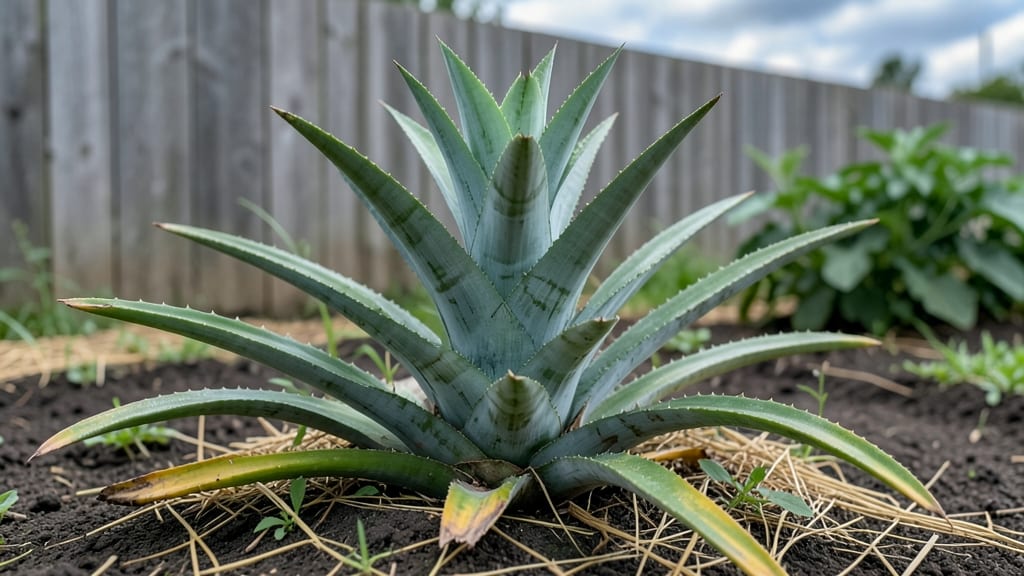
Your pineapple plant 🍍 can bloom in just 7 days with the right trick — and the secret lies in a natural gas that’s already in your kitchen.
Did you know your pineapple plant can bloom in just 7 days with the right trick? Unlocking those coveted flowers isn't as hard as you think—here's how to do it naturally and fast.
Most gardeners wait years for a pineapple plant to flower, but this method cuts that time dramatically. All you need is a ripe fruit, a plastic bag, and a little patience. The science is simple: ethylene gas, released by overripe fruits, signals the plant to bloom.
Below, I’ll walk you through the exact steps, from choosing the right fruit to creating the perfect environment for your plant. Whether you’re growing your pineapple indoors or in a warm climate like USDA zones 10-12, this trick works year-round.
How to trigger pineapple plant bloom using ethylene gas (the science-backed 7-Day method)
Watch your pineapple plant transform in just 7 days with this ethylene gas trick—a natural, science-backed method to coax those stunning pineapple flowers to life. Ethylene is a plant hormone naturally produced by ripe fruits, and pineapples respond beautifully to its presence.
Whether you're growing your plant indoors or outdoors, this method works wonders for mature pineapple plants ready to bloom.
The key lies in ethylene gas exposure, which signals your plant to shift from vegetative growth to flowering mode. This technique mimics the plant's natural response to stress or environmental cues, like drought or temperature shifts.
By harnessing ethylene from overripe fruits, you can trigger blooms even in indoor conditions where sunlight or temperature might otherwise limit flowering. Let’s dive into the step-by-step process for guaranteed results.
7-Day Ethylene Gas Bloom Trigger Method
- Day 1-2: Select 2-3 overripe fruits (apples, bananas, or avocados) and place them in a sealed plastic bag with your pineapple plant. Ensure the bag is airtight to trap ethylene gas.
- Day 3-4: Keep the bag sealed and place it in a warm, sunny spot (70-80°F). Check daily for ethylene buildup—the bag should feel slightly humid inside.
- Day 5-6: Remove the bag and rinse the plant leaves with water to clear any residual fruit odors. Place the plant in a bright, indirect light area for 24 hours to recover.
- Day 7: Look for a tiny flower spike emerging from the plant’s crown. If no spike appears, repeat the process with fresher overripe fruits.
✨ Pro Tip: Use bananas for the highest ethylene levels—ripe bananas produce 10x more ethylene than apples!
Before starting, ensure your pineapple plant is at least 18-24 months old and has developed a thick, healthy crown. Younger plants may not respond to ethylene due to insufficient energy reserves.
Also, avoid using underripe fruits—they produce minimal ethylene. The goal is to maximize gas concentration while keeping the plant stress-free.
Once you’ve sealed your plant and fruits in the bag, monitor the temperature closely. Ethylene works best between 70-80°F. If your home is cooler, place the bag near a heat source (like a sunny window) to maintain optimal conditions.
Avoid extreme heat, as it can damage the plant or accelerate fruit spoilage, reducing ethylene effectiveness.
After removing the bag on Day 5, your plant may look a little stressed—don’t worry! This is normal as it adjusts to fresh air.
Give it a light misting of water to help it recover, and place it in a spot with bright, indirect sunlight for the next 24 hours. This step is crucial for preventing leaf burn or shock, which can delay flowering.
If your pineapple plant doesn’t bloom after the first attempt, don’t give up! Some plants need 2-3 cycles of ethylene exposure to trigger flowering. Repeat the process every 2-4 weeks until you see that coveted flower spike.
Patience is key—once the spike appears, it typically takes 2-3 months for the fruit to fully develop.
Once your pineapple plant blooms, you’ll notice a long, vibrant flower spike emerging from the center. This spike can grow up to 3 feet tall and produces 100-200 small, fragrant flowers that eventually turn into fruit.
Be prepared for the fruit development process, which requires consistent care—like reduced watering and balanced fertilization to support the growing pineapple.
Celebrate your success by sharing your blooming pineapple plant with fellow gardeners! Not only will you enjoy the tropical beauty of the flowers, but you’ll also get to taste the homegrown pineapple that follows.
With this ethylene gas method, you’ve unlocked the secret to faster, more reliable blooming—no matter where you grow your pineapple plant.
🌱
Best fruits for ethylene gas production to make pineapple plants bloom faster
If you're eager to see those pink pineapple flowers appear, you're in luck—ethylene gas is your secret weapon. This natural plant hormone triggers blooming, and ripe fruits emit it in abundance. The key is choosing the right ethylene-producing fruits and applying them correctly to maximize your pineapple plant bloom response.
Not all fruits work equally well. Some release more ethylene than others, and ripeness plays a crucial role. For the fastest results, focus on apples, bananas, and avocados, as these are the top producers. Each has unique properties that can accelerate your pineapple's flowering process when used properly.
The apple is a powerhouse for ethylene production, especially when overripe. Its high gas output makes it ideal for triggering pineapple plant bloom in just 5-7 days. Place a whole apple near your plant's base, ensuring it's close enough for the gas to reach the leaves.
For best results, use an apple with brown spots—this indicates peak ethylene release.
For a faster response, try avocados, which produce even more ethylene when overripe. Wrap a soft, dark-skinned avocado in plastic and place it near your pineapple.
This creates a concentrated ethylene environment, often inducing blooms in just 4-6 days. The plastic traps the gas, amplifying its effect on your plant.
Bananas are a great mid-range option, especially if you want a gentler approach. Use yellow bananas with brown speckles for maximum ethylene. Slice them and place the pieces near your pineapple's leaves. This method works well for 7-10 day blooming, giving you flexibility if you're not in a rush.
Remember to remove the fruit once your pineapple starts showing signs of blooming, like a small flower spike emerging from the center. This prevents over-ripening and keeps your plant healthy. With the right fruit and technique, you'll be admiring those pink pineapple flowers in no time! 🌱