
How To
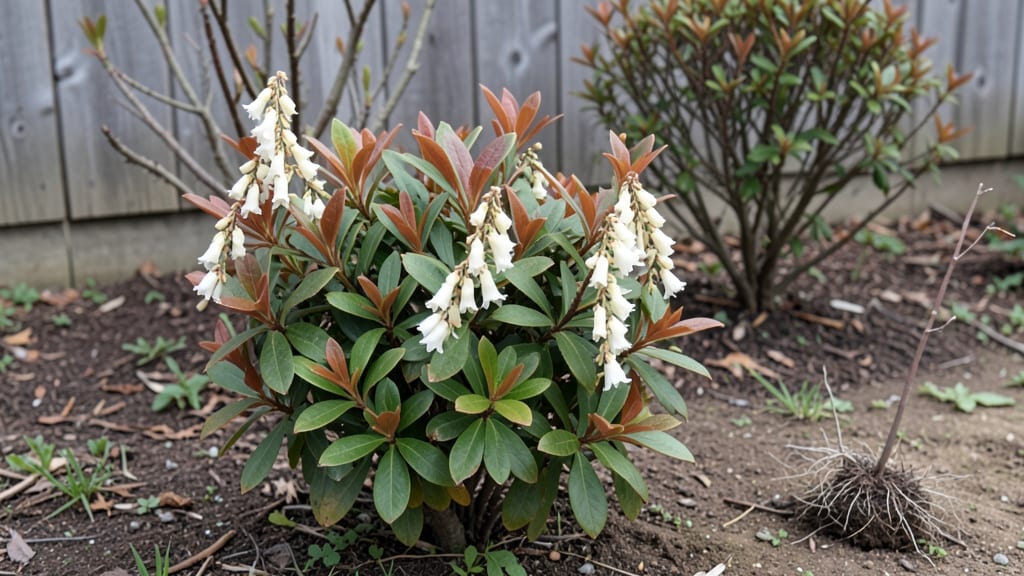
Planting a pieris shrub transforms your garden into a four-season showstopper with its vibrant spring blooms and glossy evergreen foliage. 🌿 I’ve planted mine in partial shade where other shrubs struggle, and now it’s the centerpiece of my woodland garden—just a few weeks after planting, the new growth was already reaching for the sky.
The key to success starts with soil: pieris thrives in acidic, well-draining soil (pH 4.5-6.0), so amend your bed with peat moss or pine bark if your soil tests neutral.
Choose between Pieris japonica for classic blooms or Pieris floribunda for a bushier habit—both love humidity but tolerate dry shade once established. Plant in early spring or fall when roots can settle before extreme heat or cold.
Dig a hole twice as wide as the root ball but no deeper, then tease out any circling roots before placing the shrub so the top of the root ball sits 1-2 inches above ground level.
Backfill with native soil mixed with compost, then water deeply to eliminate air pockets. Mulch with pine needles or shredded bark to keep roots cool and mimic their natural forest floor habitat.
Your pieris will reward patience with pink spring flowers that last weeks, followed by striking red new growth. Within two years, it’ll fill out beautifully—just avoid overwatering, which causes root rot. Here’s how to keep it thriving through every season.
📚 In This Guide
- What you need
- Instructions
- Tips and common mistakes
- Wrapping up and next steps
What you need
- ● Pieris shrub(s): Choose Pieris japonica or Pieris floribunda (1-3 plants, depending on desired spacing). Opt for 1-3 gallon containers for mature plants or smaller sizes for younger ones.
- ● Acidic soil: Test your soil’s pH (ideal range: 4.5–6.0). If needed, mix in peat moss or sulfur (1 part per 3 parts soil) to lower pH.
- ● Organic mulch: Pine bark, wood chips, or pine needles (2–3 inches thick) to retain moisture and acidify soil over time.
- ● Slow-release acid-loving fertilizer: Look for a balanced (e.g., 10-10-10) or acidic-specific (e.g., 8-3-9) formula with micronutrients like iron.
- ● Garden tools: Trowel or hand shovel
- ● Garden gloves (to protect from thorns or rough bark)
- ● Watering can or hose with a gentle spray nozzle
- ● Pruners (sterilized with rubbing alcohol)
- ● Soil pH test kit: For precise adjustments (e.g., blank">Luster Leaf or blank">digital meters).
- ● Epsom salt (magnesium sulfate): 1 tablespoon per plant annually to boost green foliage.
- ● Mulch ring or landscape fabric: To keep mulch contained and reduce weeds.
- ○ Plant support (optional for large varieties): Stakes or cages if your Pieris grows tall (e.g., Pieris floribunda).
Step-by-step guide for planting a Pieris shrub
Pieris thrives with the right soil and placement—here's exactly how to set yours up for vibrant blooms.
🌱 Step 1: Choose the Perfect Planting Location
Pieris loves partial shade with morning sun and afternoon dappled light—think 4-6 hours of direct sunlight daily. Avoid harsh afternoon rays that scorch its delicate foliage. I test spots by observing how sunlight moves across the area throughout the day. If your yard has dense shade, pick a spot where sunlight filters through taller trees.
This shrub also needs protection from strong winds, which can damage its tender new growth. A location near a fence or building works well. Watch for areas where cold air pools—Pieris handles winter better in sheltered spots. If your yard has microclimates, plant where winter temperatures stay above 10°F.
🪴 Step 2: Prepare the Planting Hole and Soil
Dig a hole twice as wide as the root ball but only as deep. Pieris roots spread horizontally, so extra width encourages strong establishment. Loosen the sides of the hole with a shovel to help roots penetrate the native soil easily. This shrub thrives in acidic soil with a pH between 5.0-6.0.
If your soil isn't naturally acidic, mix in 2-3 inches of peat moss or pine bark fines into the bottom of the hole. I always add a handful of slow-release organic fertilizer to give it a nutrient boost. Gently place the plant in the hole so the top of the root ball sits 1 inch above soil level—this prevents rot during heavy rains.
💧 Step 3: Plant and Water Thoroughly
Backfill the hole with native soil, pressing gently to remove air pockets but not compacting too firmly. Water deeply as you fill to settle the soil around roots. I like to create a 2-inch deep watering basin around the base to hold moisture. Pieris roots are shallow, so consistent moisture is key during the first year.
After planting, give it a thorough soaking—enough so water drains out the bottom of the hole. Mulch with 2-3 inches of pine straw or wood chips to retain moisture and suppress weeds. Keep mulch 2 inches away from the stem to prevent rot. You'll know it's properly watered when the top 2 inches of soil feel damp but not soggy.
☀️ Step 4: Maintain for Year-Round Color
Pieris blooms in early spring with showy white flowers, but its foliage stays attractive year-round. Prune right after flowering to shape and remove any dead branches. I never cut into old wood—Pieris blooms on new growth, so pruning too late risks losing next year's flowers.
Water 1-2 times weekly during the first growing season, then taper to once weekly once established. Overwatering is the biggest mistake—Pieris roots rot easily in soggy soil. You'll see healthy growth when new leaves emerge bright green in spring and maintain color through winter.
Tips & tricks for planting a Pieris shrub
Planting a Pieris successfully starts with understanding its unique needs—here's how to set it up for thriving growth.
Sunlight Strategy: The 4-6 hours of morning sun is crucial for Pieris, but don't assume all morning light works equally. I've seen Pieris planted in spots with intense morning sun that still get afternoon heat reflected from nearby buildings—this can scorch the leaves. Test your spot by observing how sunlight moves across the area throughout the day, especially in summer when sun angles are highest.
Soil Preparation: That 5.0-6.0 pH range is non-negotiable for Pieris. If your soil test shows higher pH, don't just add lime—it'll make things worse. Instead, mix in 2-3 inches of peat moss or pine bark fines as specified, but spread it evenly throughout the hole rather than just at the bottom. This creates a more uniform acidic environment for the roots to thrive in right from planting day.
Watering Wisdom: The 2-inch deep watering basin I mentioned isn't just about holding moisture—it's about creating a consistent moisture zone where Pieris roots will naturally grow. After planting, check the soil moisture daily for the first week. You'll know you're doing it right when you see new growth emerging within 2-3 weeks, and the soil at 2 inches deep stays consistently damp but never soggy. Overwatering is the #1 reason Pieris fails, so resist the urge to water "just in case."
Winter Protection: The 10°F minimum temperature is important, but what's often overlooked is how cold air behaves in your yard. Pieris handles winter better in sheltered spots where cold air doesn't pool. If your yard has microclimates, plant where you've seen other tender plants survive winter—like near south-facing walls or in the lee of a building. A thick layer of mulch (3-4 inches) after the ground freezes will provide additional insulation.
Pro Tips for Planting A Pieris
- Planting a Pieris successfully starts with understanding its unique needs—here's how to set it up for thriving growth.
- Sunlight Strategy: The 4-6 hours of morning sun is crucial for Pieris, but don't assume all morning light works equally.
- Soil Preparation: That 5.0-6.0 pH range is non-negotiable for Pieris.
Frequently asked questions
Got questions about planting and caring for your Pieris? You’re not alone! Here are some of the most common concerns—plus expert tips to keep your shrub thriving.
What’s the best time of year to plant a Pieris?
Plant your Pieris in early spring or fall when the soil is workable but not frozen. This gives roots time to establish before extreme heat or cold. Avoid planting in summer—hot, dry conditions stress young shrubs, slowing growth. Pro tip: If you must plant in late fall, do it at least 6 weeks before the first frost!
Why are my Pieris leaves turning yellow or brown?
Yellowing leaves often signal overwatering or poor drainage, while brown edges can mean underwatering or sunburn. Check soil moisture (it should stay slightly damp but not soggy) and ensure your Pieris gets morning sun and afternoon shade. Pieris also hate alkaline soil—test your soil pH (ideal: 4.5–6.0) and amend with peat moss or pine needles if needed.
Can I plant a Pieris in a container or do I need a garden bed?
Yes! Pieris thrive in large containers (15+ gallons) with acidic potting mix and good drainage. Use a terracotta or fabric pot to prevent root rot, and move containers indoors or to a sheltered spot in winter if temps drop below 10°F. Just ensure the pot is at least 12 inches deep—shallow roots need room to stretch!
Are Pieris shrubs prone to pests or diseases?
While generally hardy, Pieris can attract aphids, spider mites, or scale insects, especially in dry conditions. Treat infestations early with neem oil or insecticidal soap. Fungal issues like powdery mildew may appear in humid climates—improve airflow and avoid overhead watering. Pro tip: Prune for airflow and remove affected leaves promptly to prevent spread!
How do I encourage more blooms on my Pieris?
For vibrant, abundant flowers, prune lightly after blooming (remove spent flowers but avoid heavy cuts). Feed with an acidic, slow-release fertilizer (like 10-10-10) in early spring, and mulch with pine bark or oak leaves to retain moisture and acidity. Pieris love consistent moisture—water deeply 1–2 times per week during dry spells, but avoid waterlogging!
Wrapping up and next steps
Planting a Pieris is a rewarding way to add year-round beauty to your garden with minimal fuss—just match its needs to acidic soil, partial shade, and a little patience.
Whether you’re drawn to its spring blooms, glowing foliage, or winter interest, this shrub delivers low-maintenance elegance that thrives once established. 🌿
Ready to transform your landscape? Start by testing your soil’s pH—if it’s not acidic, amend it with peat moss or pine needles. Then, grab your gloves and plant with confidence!
For extra flair, pair your Pieris with complementary acid-loving plants like azaleas or rhododendrons. Your future self (and your garden!) will thank you. 🌟