
Trees
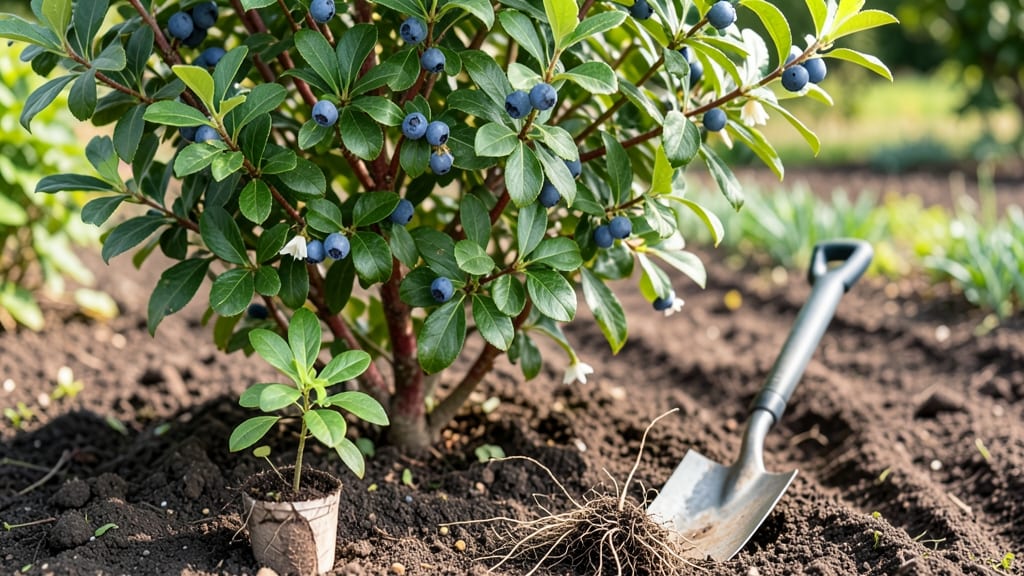
Planting blueberry trees in your yard means waking up to fragrant blossoms in spring and harvesting sweet berries all summer long. 🌿 I learned the hard way that these finicky bushes need the right soil, spot, and care from day one—or they’ll fight you every season.
The key is acidic soil, full sun, and patience, but once you nail those basics, you’ll have bushes that produce for decades.
Start with the right trees for your climate—southern highbush for warm zones, northern highbush for cooler areas—and choose between bare-root or container-grown plants. You’ll need a shovel, compost, sulfur to adjust soil pH (aim for 4.5–5.5), and mulch to keep roots happy.
Planting takes about an hour, but the prep work ensures your bushes thrive instead of struggle.
After planting, water deeply once a week for the first month, then taper off as roots establish. Mulch with pine needles or peat moss to maintain acidity and suppress weeds.
By year three, you’ll see your first real harvest—juicy berries that taste nothing like store-bought. The bushes keep producing for 50+ years if you tend to them properly.
This works for backyard gardens, large farms, or even containers in small spaces. Whether you’re in zone 5 or 9, the same principles apply—just adjust timing for frost. Let’s get those bushes in the ground right.
📚 In This Guide
- What you need
- Instructions
- Tips and common mistakes
- Wrapping up and next steps
What you need
- ● Blueberry plants: 1-3 bare-root or container-grown bushes (choose southern, northern, or half-high varieties based on your climate).
- ● Well-draining soil: Acidic (pH 4.5–5.5), rich in organic matter (e.g., peat moss, pine bark, or compost).
- ● Amendments: Sulfur (to lower pH if needed)
- ● Lime (avoid—it raises pH)
- ● Fertilizer: Slow-release, acid-loving plant fertilizer (e.g., 10-10-10 or 8-3-9 with sulfur).
- ● Mulch: Pine needles, wood chips, or shredded bark (2–4 inches deep).
- ● Watering system: Drip irrigation or hose with a gentle spray nozzle.
- ● Garden tools: Trowel or spade
- ● Pruners (sterilized)
- ● Garden fork (for aerating soil)
- ● pH testing kit: Soil test kit or digital meter (to monitor acidity).
- ● Measuring tape or ruler: For spacing plants 4–6 feet apart.
- ○ Gloves & protective gear: Optional but recommended for handling soil/amendments.
- ● Sunlight: Full sun (6+ hours daily) for optimal growth.
- ● Climate: Choose varieties suited to your USDA hardiness zone (e.g., southern types for zones 7–9, northern for zones 3–6).
- ● Space: Minimum 4–6 feet between plants; 8+ feet for larger varieties.
- ● Time: Plant in late fall, winter, or early spring (avoid summer heat).
Step-by-Step guide for planting blueberry trees
Here's how I plant blueberry bushes for maximum fruit production—no guesswork, just proven results.
🌱 Step 1: Choose the Right Location and Soil
Blueberries demand acidic soil (pH 4.5-5.5)—test your soil first. If it's alkaline, amend with sulfur or peat moss months before planting. I dig a hole twice as wide as the root ball but only as deep. The top of the root ball should sit 2 inches above ground level to prevent rot during heavy rains.
Pick a spot with full sun (6+ hours daily) but partial afternoon shade in hot climates. Blueberries hate soggy roots, so avoid low spots where water pools. If your yard has heavy clay, mix in compost and perlite to improve drainage. I always work in a handful of osmocote fertilizer at planting time for a slow-release boost.
🪴 Step 2: Prepare the Plant and Backfill
Remove the blueberry bush from its container and gently loosen the roots if they're circling. Soak the root ball for 10-15 minutes before planting to reduce transplant shock. While it soaks, fill the bottom of the hole with 2 inches of peat moss mixed with a little sand to improve drainage.
Place the bush in the hole and backfill with the original soil-peat mix, tamping lightly as you go. Leave a 3-inch saucer around the base to catch water. Never bury the graft union (the bump near the base) if you're planting a grafted variety. Water deeply to settle the soil and eliminate air pockets.
💧 Step 3: Mulch and Water for Establishment
Spread 3 inches of pine bark mulch around the base, keeping it 6 inches away from the trunk to prevent rot. This mulch slowly acidifies the soil over time and retains moisture. Water immediately after planting—1 gallon per plant—and repeat every 2-3 days until new growth appears.
Blueberries need consistent moisture but hate soggy roots. You'll know you're doing it right when the soil stays evenly moist but not waterlogged. Avoid overhead watering once established—drip irrigation or soaker hoses keep leaves dry and prevent fungal diseases. I always check moisture by sticking my finger 2 inches deep—if it's dry, it's time to water.
☀️ Step 4: Prune and Protect New Growth
Wait 4-6 weeks after planting before pruning. Remove any dead or damaged branches first, then cut back the remaining stems by one-third to encourage bushier growth. I always prune in late winter or early spring before new buds swell, making it easier to see the plant's structure.
Young blueberry bushes need protection from pests and harsh weather. Wrap the trunk with tree guard to prevent voles and rabbits from chewing the bark. If your area gets heavy winter winds, stake the plant temporarily until roots establish. You'll see new leaves emerge within 3-4 weeks—that's your sign the plant is settling in.
⏰ Step 5: Maintain Soil pH and Fertilize
Test soil pH annually and amend if it rises above 5.5. I use aluminum sulfate in early spring to lower pH if needed. Feed plants with 1 cup of osmocote fertilizer in early spring and again after harvest. Avoid high-nitrogen fertilizers—they promote leafy growth at the expense of fruit.
Blueberries take 2-3 years to bear fruit, but proper care now means bigger harvests later. Watch for yellowing leaves—this often signals high pH or nutrient deficiencies. You'll know you're on track when you see white flower buds forming in late winter—that's when the real magic begins.
Tips & tricks for perfectly planting blueberry trees
Here's what I've learned after years of planting blueberries that actually thrive and bear fruit—these tricks make all the difference.
Soil Prep is Non-Negotiable: Don't skip the soil test! I've planted blueberries in alkaline soil without amending it, and the bushes struggled for years. If your soil pH is above 5.5, start amending with sulfur or peat moss 3-4 months before planting—it takes time to lower pH. For heavy clay soil, mix in equal parts compost and perlite when backfilling to improve drainage while maintaining acidity.
Root Ball Hydration Matters: That 10-15 minute soak in Step 2 isn't optional—it's what prevents transplant shock. I've seen bushes wilt dramatically when planted with dry roots. Soak the root ball until water runs freely from the bottom, then let it drain for 5 minutes before planting. This ensures the roots are hydrated but not waterlogged when you place them in the hole.
Mulching Strategy for Long-Term Success: The 3-inch pine bark mulch in Step 3 does more than retain moisture—it slowly acidifies the soil over time. Refresh this mulch annually in late winter, keeping it 6 inches away from the trunk to prevent rot. I've found that adding a 1-inch layer of pine needles on top of the mulch gives an extra acidity boost over time.
Pruning Timing is Everything: Waiting those 4-6 weeks before pruning gives the plant time to establish new roots. I always prune in late winter when the plant is still dormant but buds are starting to swell—this makes it easier to see the branch structure. Cut back by one-third to encourage bushier growth, and always remove any dead or crossing branches first to improve air circulation.
Pro Tips for Planting Blueberry Trees
- Here's what I've learned after years of planting blueberries that actually thrive and bear fruit—these tricks make all the difference.
- Soil Prep is Non-Negotiable: Don't skip the soil test!
- Root Ball Hydration Matters: That 10-15 minute soak in Step 2 isn't optional—it's what prevents transplant shock.
Frequently asked questions
Got questions about planting blueberry trees? You’re not alone! Here are some of the most common concerns—plus straightforward answers to help you grow thriving bushes with minimal stress.
When is the best time to plant blueberry trees?
The ideal window for planting is late fall to early spring (before buds swell). This gives roots time to establish before summer heat. If you must plant in summer, choose a cool, overcast day and water deeply afterward. Avoid planting in extreme heat or frost.
How often should I water blueberry trees?
Blueberries need consistent moisture—about 1–1.5 inches per week, including rainfall. Newly planted trees require daily watering for the first 2 weeks, then taper to 2–3 times per week. Mulch (2–3 inches of pine straw or wood chips) helps retain moisture and acidify the soil naturally.
Why aren’t my blueberry trees producing fruit?
Common culprits include:
- Improper pollination: Most blueberries are self-pollinating, but planting two varieties nearby can boost yields.
- pH issues: Soil should be acidic (4.5–5.5). Test your soil and amend with sulfur or peat moss if needed.
- Young age: Trees typically take 2–3 years to bear fruit.
- Over-fertilizing: Too much nitrogen = leafy growth, no fruit. Use a low-nitrogen, high-potassium fertilizer designed for acid-loving plants.
Can I grow blueberries in containers or small spaces?
Dwarf varieties like ‘Top Hat’ or ‘Peach Sorbet’ thrive in 5-gallon containers with well-draining soil. Use a mix of peat moss, pine bark, and sand, and ensure the pot has drainage holes. Place containers in full sun (6+ hours/day) and fertilize monthly with an acid fertilizer.
What pests or diseases should I watch for?
Blueberries are generally low-maintenance, but keep an eye out for:
- Birds: Use netting over ripening berries.
- Japanese beetles: Handpick or use neem oil.
- Mummy berry fungus: Remove infected fruit and prune for airflow.
- Root rot: Avoid overwatering and ensure soil drains well.
Most issues are preventable with proper spacing (3–6 feet apart) and regular pruning to improve airflow.
Wrapping up and next steps
Planting blueberry trees is a rewarding journey that leads to delicious, homegrown harvests for years to come! 🌱 With the right soil, spacing, and care, you’ll enjoy juicy berries that taste sweeter than anything store-bought.
Whether you’re a beginner or a seasoned gardener, these tips will set you up for success.
Now that you’re ready, take the next step—mark your calendar for spring planting and start digging! 💪 Watch your blueberry bushes grow, and soon, you’ll be picking buckets of berries to enjoy fresh, freeze, or share with friends. Happy planting!