
Lawn
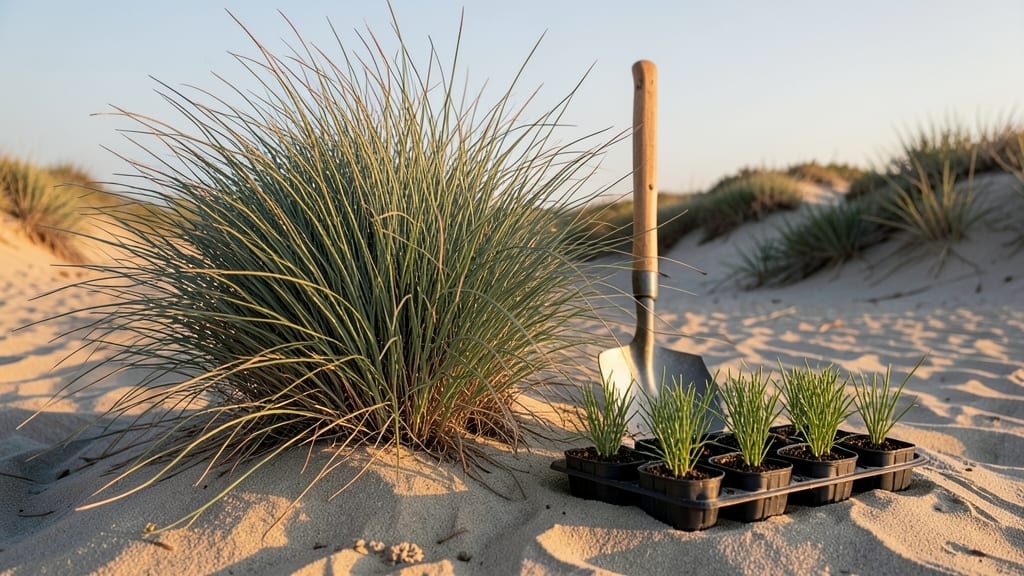
Planting dune grass isn't just about stopping sand from blowing—it's about creating a living barrier that actually thrives in harsh conditions. 🌱 I've watched my own dune grass plots transform barren, shifting sand into a lush, wind-resistant green in just a few months, and the secret lies in the right preparation and placement.
The key starts with choosing the right seeds or seedlings—native varieties like American beach grass or marram grass are your best bet. These tough grasses have deep roots that bind sand naturally, and they handle salt spray, wind, and poor soil like champions.
You'll need a sunny spot with loose, well-drained sand, and the right spacing to give each plant room to spread.
Once planted, the roots do the heavy lifting, but your first watering is critical. Keep the area lightly moist for the first two weeks to help roots establish, then let nature take over.
Within a season, you'll see dense growth that stabilizes the sand and blocks erosion—no more watching your yard disappear with every storm.
This method works for coastal properties, inland sand dunes, or even large-scale land restoration projects. The beauty is in how simple it is once you know the basics—just the right grass, the right spot, and a little patience. Let's get those roots growing!
📚 In This Guide
- What you need
- Instructions
- Tips and common mistakes
- Wrapping up and next steps
What you need
- ● Dune grass seeds or plugs: Choose Ammophila breviligulata (American beachgrass) or Leymus mollis (American dunegrass). Buy 10–20 lbs of seed per acre or 50–100 plugs per 100 linear feet for optimal coverage.
- ● Topsoil or sand mixture: 3–4 inches of a 50/50 blend of sand and compost (or native soil) to improve seedbed quality.
- ● Straw or erosion control blanket: 1 bale of straw per 100 sq ft (or biodegradable erosion mats) to protect seeds from wind and sun.
- ● Water source (hose or sprinkler): Ensure access to consistent moisture for at least 4–6 weeks post-planting.
- ● Rake or cultivator: For smoothing the soil and creating a fine, even seedbed.
- ○ Broadcast spreader (optional): For even seed distribution—especially useful for larger areas.
- ● Garden gloves & knee pads: Because dune work is tough on the hands!
- ○ String & stakes (optional): To mark planting rows or boundaries for precision.
- ● Timing: Plant in early spring or fall (avoid summer heat or winter frost).
- ● Weather check: Aim for calm winds (under 10 mph) and no rain forecast for 24–48 hours after planting.
- ● Site prep: Clear debris, smooth the sand, and remove invasive plants to give dune grass a fighting chance.
- ● Local regulations: Check for coastal permits or restrictions—some areas protect native dune ecosystems!
Instructions for planting dune grass to stabilize sand
Here’s how to plant dune grass in just three straightforward steps—no complicated prep needed.
🌱 Step 1: Prepare the Sand and Planting Site
Start by smoothing the sand where you’ll plant. Use your hands or a rake to create a level surface—uneven spots will cause water to pool and drown roots. Dune grass thrives in loose, undisturbed sand, so avoid tilling or digging deeply. If the area is windblown, lightly tamp down the top inch of sand to create a firm base for the roots to grip.
Mark planting spots in a staggered pattern, about 12-18 inches apart. This spacing gives roots room to spread and stabilizes the sand more effectively. Skip measuring tools—just hold your arm outstretched to gauge the distance between plants. The goal is even coverage, not perfect precision.
🌿 Step 2: Plant the Grass Plugs or Seeds
If using plugs, dig a hole slightly deeper than the root ball but no wider. Gently remove the plug from its container and place it in the hole, ensuring the top of the root ball sits just below the sand surface. Press the surrounding sand lightly to secure the plant—this helps roots anchor immediately. For seeds, scatter them thinly over the prepared area and cover with a ¼-inch layer of sand.
Water immediately after planting, but don’t soak the area. A light misting is enough to settle the sand around the roots without displacing them. Overwatering here can wash away the top layer of sand, leaving plants exposed. Let the water absorb naturally—you’ll know it’s right when the sand looks damp but not soggy.
☀️ Step 3: Protect and Maintain for Strong Growth
Dune grass needs full sun to establish its deep root system, so plant in the brightest spot available. If your area gets heavy foot traffic or wind, consider temporarily staking young plants with bamboo or wire mesh until roots take hold. This prevents uprooting during storms or high winds. Most varieties establish within 4-6 weeks, but leave them undisturbed for at least 3 months to fully stabilize the sand.
Water only when the top inch of sand feels dry to the touch—usually every 5-7 days in the first month. Once established, dune grass is drought-tolerant, but young plants need consistent moisture. Avoid fertilizing; the sand’s natural nutrients are enough. You’ll see success when the grass turns a vibrant green and the sand holds its shape even after wind or foot traffic.
Tips & tricks for planting dune grass
Here's what I've learned from years of planting dune grass—simple tricks that make all the difference in your beach stabilization project.
The Spacing Secret: That 12-18 inch spacing in Step 1 is crucial for airflow and root spread. I use a simple trick to visualize it: hold your arm outstretched and make a fist—your fist width should be about 6 inches, so three fists end-to-end gives you that perfect 18-inch spacing. This creates a natural, wind-resistant pattern that looks beautiful while doing the job.
Planting Technique: When placing your grass plugs in Step 2, don't just drop them in! Gently wiggle them side to side after pressing the sand around them. This helps break up any air pockets and ensures maximum root-to-sand contact right from the start. For seeds, I find a fine-mesh sieve works better than my hands for that even ¼-inch coverage.
Watering Wisdom: That light misting after planting is easier than you think. Use a spray bottle or very fine rose attachment on your hose—you want the sand to look like it's been lightly misted, not soaked. I test it by pressing my finger into the sand: it should hold a slight impression but not feel wet. This prevents both overwatering and underwatering.
Protection Strategy: For windy areas, I've found that bamboo stakes work better than wire mesh for the first few weeks. The flexible nature of bamboo absorbs some of the wind's force while still providing support. Place them at a slight angle for better wind resistance, and remove them once you see new growth pushing through the sand.
Pro Tips for Planting Dune Grass
- Here's what I've learned from years of planting dune grass—simple tricks that make all the difference in your beach stabilization project.
- The Spacing Secret: That 12-18 inch spacing in Step 1 is crucial for airflow and root spread.
- Planting Technique: When placing your grass plugs in Step 2, don't just drop them in!
Frequently asked questions
Got questions about planting dune grass?
Here are the answers to the most common ones—so you can get started with confidence!
What types of dune grass are best for coastal stabilization?
The top choices are American beachgrass (Ammophila breviligulata) and European beachgrass (Ammophila arenaria). Both thrive in sandy soils, resist salt spray, and grow deep roots to lock down dunes. For drier areas, sea oats (Uniola paniculata) is another great native option that adds beauty while stabilizing sand.
When is the best time to plant dune grass?
Plant in early spring or late summer for ideal results. Spring (March–May) gives roots time to establish before summer heat, while late summer (August–September) avoids drought stress. Avoid planting in winter—frost can harm young seedlings. If planting in fall, do so at least 6–8 weeks before the first frost.
How much does dune grass planting cost, and where can I buy seeds?
Costs vary: seeds run $10–$30 per pound, while plugs (young plants) cost $2–$5 each. Buy from native plant nurseries, coastal erosion suppliers, or online retailers like Etsy or Amazon. Check local conservation groups—they often sell seeds at a discount for dune restoration projects!
What if my dune grass isn’t growing? Troubleshooting tips?
If your grass is slow to sprout or looks weak, check these fixes:
- Soil prep: Ensure sand is loose and well-drained—compacted soil suffocates roots.
- Watering: Keep soil consistently moist (not soggy) for the first 30 days. Dune grass hates drought.
- Sunlight: Plant in full sun (6+ hours daily). Shady spots weaken growth.
- Pests: Watch for rabbits or deer—use fencing if needed.
Can I use dune grass alternatives if I don’t have sandy soil?
Yes! For non-sandy areas, try these erosion-resistant grasses:
- Switchgrass (Panicum virgatum) – Drought-tolerant and deep-rooted.
- Little bluestem (Schizachyrium scoparium) – Native and low-maintenance.
- Fescue (Festuca spp.) – Works well in clay or loamy soils.
Wrapping up and next steps
Planting dune grass is a rewarding way to protect your shoreline, restore coastal ecosystems, and create a resilient landscape. By following these three simple steps—preparing the soil, sowing seeds, and maintaining growth—you’re not just beautifying your property; you’re making a lasting impact on nature. 🌱
Ready to take the next step? Start small—whether it’s a beachfront plot or a backyard dune garden—and watch your efforts flourish. Your future dune grass will thank you (and so will the wildlife!)
💡 Pro tip: Share your progress with local conservation groups—they might even have extra seeds or tips for success!