
Planting
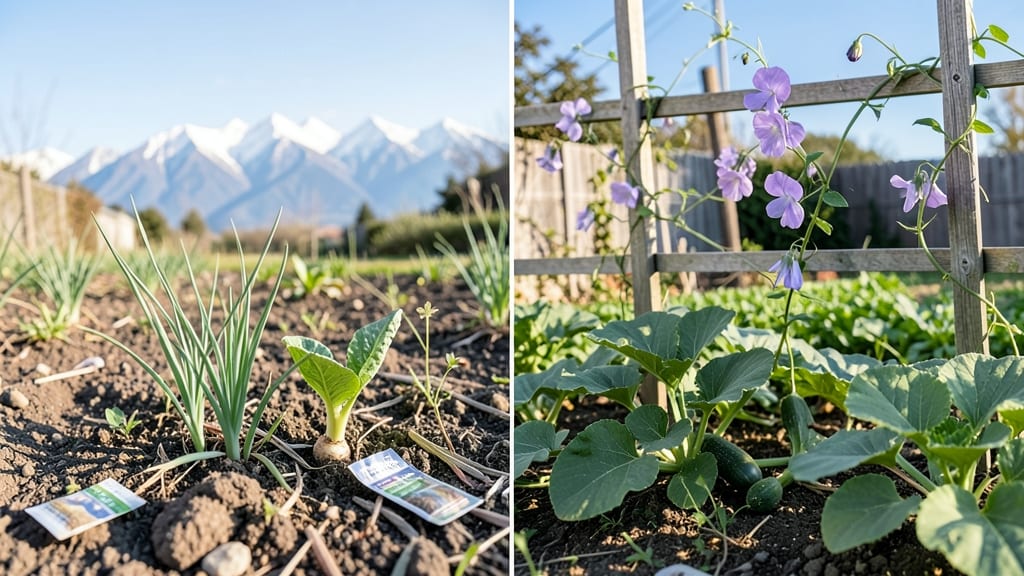
Colorado planting schedules demand precision—get the timing wrong, and your garden could freeze or bolt before harvest 🌱.
Colorado’s high-altitude climate and dramatic seasonal shifts make planting a high-stakes game—but timing your garden right can yield bountiful harvests even in challenging conditions.
Whether you're a first-time gardener or a seasoned grower, this month-by-month guide will help you navigate Colorado’s unique frost dates, microclimates, and elevation zones like a pro.
From the Front Range’s early springs to the Western Slope’s later frost dates, every region has its own rhythm. We’ll break down the best months to plant everything from cool-season crops like peas to heat-loving tomatoes, plus how to adjust for your specific microclimate.
Skip the guesswork and learn exactly when to start seeds indoors, transplant seedlings, and protect tender plants from late frosts—so you can enjoy a garden that thrives year after year.
Colorado planting zones & frost dates: what you must know before planting
Colorado’s diverse elevation zones and microclimates create a gardening puzzle unlike any other. While the Front Range (Denver, Boulder) sits in USDA Zones 5-6, the Western Slope (Grand Junction, Durango) can range from Zone 4 to 7 depending on elevation.
These differences mean your neighbor’s last frost date might be weeks before or after yours—so knowing your exact zone is non-negotiable for success.
Even within the same city, a 500-foot elevation gain can shift your planting window by 2-3 weeks. For example, Denver’s average last frost date is around May 15, but Aspen’s (higher elevation) might not reach that milestone until June 10.
This variability forces gardeners to think beyond the USDA zone map and consider local topography and urban heat islands.
To avoid costly mistakes, I recommend using the Colorado State University Extension Planting Calendar and cross-referencing it with the National Oceanic and Atmospheric Administration’s (NOAA) frost data. These tools account for historical trends while letting you adjust for your specific microclimate.
For instance, a south-facing slope warms faster than a north-facing yard, potentially extending your growing season by 10-14 days.
Here’s a quick reference for Colorado’s key regions and their average frost dates—but remember, these are guidelines. Your actual last frost could arrive earlier or later based on weather patterns and local conditions.
🌱 Did You Know? Colorado’s high-altitude sun is more intense than at sea level, meaning plants dry out faster. This is why mulching and drip irrigation are essential for Colorado gardeners, even in cooler zones.
| Region | USDA Zone | Avg. Last Frost Date | Avg. First Frost Date | Frost-Free Days | Key Adjustments |
|---|---|---|---|---|---|
| Front Range (Denver, Boulder) | 5b-6a | May 15 | September 20 | 125-150 days | Urban heat islands delay frost; use row covers for early spring |
| Western Slope (Grand Junction) | 6b-7a | April 1 | October 15 | 190-210 days | Longer growing season; watch for late spring frosts |
| Mountain Valleys (Fort Collins) | 4b-5a | May 30 | September 10 | 90-110 days | Short season; focus on cold-hardy crops like kale and peas |
| High Plains (Pueblo) | 5a-6a | May 10 | September 25 | 135-155 days | Dry climate; prioritize drought-tolerant plants |
| San Luis Valley (Alamosa) | 5b-6a | May 20 | September 15 | 115-135 days | Cold nights; use black plastic mulch to warm soil |
*Note: Elevation can shift frost dates by up to 3 weeks—always verify with local data!
Once you’ve pinned down your exact frost dates, the next step is adjusting your planting schedule based on crop type. Cool-season crops like spinach and carrots can handle light frosts and should go in 4-6 weeks before your last frost.
Meanwhile, warm-season plants like tomatoes and peppers need soil temperatures above 55°F—so wait until 2 weeks after your last frost to plant them directly.
For high-altitude gardens, I swear by season extenders like cold frames and low tunnels. These can push your last frost date back by 3-4 weeks in spring and delay the first frost in fall.
For example, if your area typically sees frost on September 20, a cold frame might let you harvest kale or lettuce until October 15—adding 25 extra days to your growing season.
Don’t forget about succession planting, a game-changer for Colorado’s short seasons. By staggering lettuce, radishes, and bush beans every 2 weeks after your last frost, you can enjoy a continuous harvest instead of one big bumper crop.
This strategy works especially well for fast-maturing crops that won’t survive our early fall frosts.
If you’re still unsure about your local frost dates, I recommend using the Almanac’s Frost Calculator or checking your county extension office’s historical records. These resources provide hyper-local data that generic zone maps can’t. For instance, Fort Collins might average a May 30 last
Month-by-month planting calendar: best crops for each season in Colorado
Colorado’s short growing season and variable frost dates demand precise timing, but with the right strategy, you can grow a thriving garden year-round. Cool-season crops like kale and peas thrive in early spring, while warm-season favorites such as tomatoes and peppers need to wait until after the last frost.
Understanding your local microclimate—whether you're in Denver, Colorado Springs, or the Western Slope—will help you fine-tune your planting schedule for maximum success.
For high-altitude gardens, succession planting is key to extending harvests.
By staggering plantings every 2-3 weeks, you can enjoy fresh produce from spring through fall. Cold-hardy varieties like Swiss chard and spinach can even survive light frosts, while heat-tolerant tomatoes like 'Mountain Merit' are bred to thrive in Colorado’s shorter summers.
Let’s break down the best crops for each month and how to make the most of your garden’s potential.
March: Start Cool-Season Crops
Plant peas, spinach, and lettuce as soon as soil is workable. Use row covers for frost protection.
April: Harden Off Transplants
Move broccoli, cabbage, and kale outdoors gradually. Monitor for late frosts (common in April).
May: Warm Up with Peppers & Tomatoes
After last frost date (typically May 15), plant tomatoes, peppers, and beans. Use black plastic mulch to warm soil.
June: Succession Plant for Fall Harvests
Sow carrots, radishes, and lettuce every 2 weeks. Harvest early potatoes and replace with squash.
July-August: Peak Production
Harvest tomatoes, peppers, and corn. Plant fall broccoli and cabbage in late July for late-season harvests.
September: Extend the Season
Plant garlic and hardy greens like kale. Use row covers to protect tender crops from early frosts.
October-November: Winter Prep
Plant