
Blooming
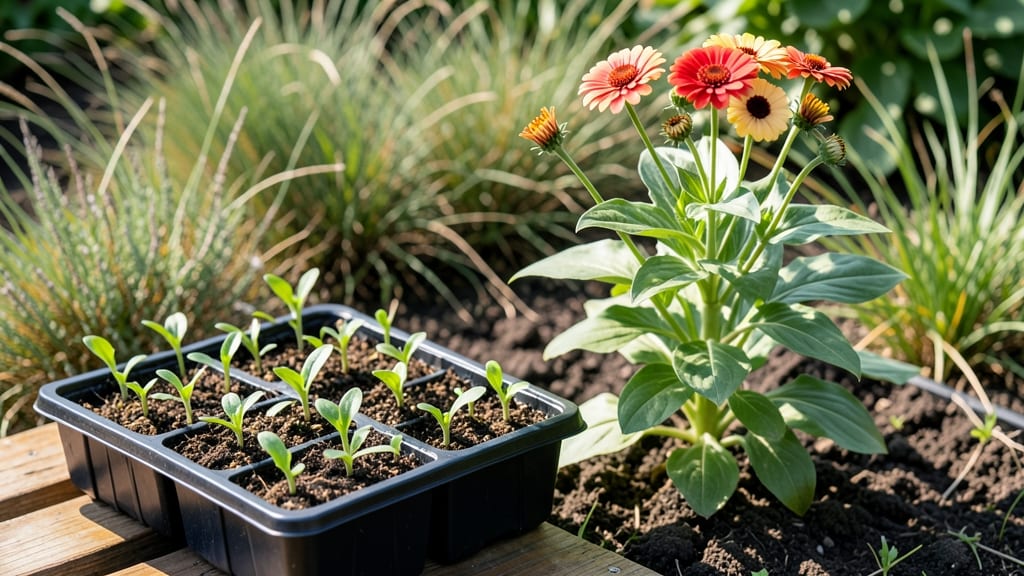
Succession planting zinnias gives you nonstop color from early summer through frost—no gaps, no regrets. ✨ I’ve used this method for years to turn my garden into a vibrant, ever-blooming showcase, and the secret lies in timing and variety.
The right approach means cutting back on deadheading and extending your harvest by weeks, even months.
Start with early-blooming varieties like ‘Benary’s Giant’ in late spring, then follow with midseason types like ‘Profusion’ every 3-4 weeks. Spacing is key: plant seeds 1/4 inch deep, 12-18 inches apart, and thin seedlings to avoid crowding.
A 5-foot row of zinnias can produce 50+ stems if managed right, and the blooms attract pollinators like crazy.
You’ll end up with a garden that looks like a painter’s palette—deep reds, fiery oranges, and sunny yellows—without the late-summer slump. The trick is staying ahead of bolting by planting new batches before the first ones fade.
With this method, you’ll harvest continuous blooms for 10+ weeks, and the flowers stay fresh in vases for days.
Works in full sun or partial shade, in containers or beds, and even in containers as small as 5-gallon pots. The only requirement? Consistent moisture and deadheading spent blooms. Ready to transform your garden into a year-round spectacle?
📚 In This Guide
- What you need
- Instructions
- Tips and common mistakes
- Wrapping up and next steps
What you need
- ● Zinnia seeds: Choose heat-tolerant varieties like 'Benary’s Giant' or 'Profusion' for best results.
- ● Quantity: 1–2 oz (30–60g) per season (adjust based on garden size).
- ● Garden soil: Well-draining, fertile soil with a pH of 6.0–7.0.
- ○ Optional: Mix in compost (1–2 cups per planting hole) for extra nutrients.
- ● Watering can or hose: With a gentle spray nozzle to avoid disturbing seedlings.
- ● Plant markers: Small stakes or labels (e.g., popsicle sticks) to track planting dates.
- ● Hand trowel: For digging small holes (2–3 inches deep).
- ● Garden gloves: To keep your hands clean and comfortable.
- ● Pruners or scissors: For trimming spent blooms and shaping plants.
- ○ Row cover or shade cloth (optional): To protect seedlings from late frost or harsh sun.
- ● Sunlight: Full sun (6+ hours daily).
- ● Climate: Plant after the last frost (when soil temps reach 55–60°F).
- ● Spacing: 6–12 inches apart (check seed packet for variety-specific needs).
Step-by-Step instructions for succession planting zinnias
Here's how to keep your garden bursting with zinnias from early summer to frost.
🌱 Step 1: Prepare the Planting Site and Soil
Zinnias thrive in full sun—choose a spot that gets at least 6-8 hours of direct sunlight daily. Clear the area of weeds and loosen the soil to a depth of 12 inches using a garden fork. Amend the soil with 2-3 inches of compost to improve drainage and nutrient availability, since zinnias are heavy feeders.
Work the compost into the top 6 inches of soil, breaking up any clumps. Zinnias hate soggy roots, so if your soil drains poorly, mix in 1 part perlite or coarse sand for every 3 parts soil. Test the pH—zinnias prefer slightly acidic to neutral soil (6.0-7.0). If your soil tests outside this range, adjust with lime (to raise pH) or sulfur (to lower it).
🌱 Step 2: Plant Seeds in Staggered Successions
For continuous blooms, plant zinnias in three staggered batches—2 weeks apart—starting in late April or early May (after the last frost). Sow seeds ¼ inch deep and 12-18 inches apart in rows 18-24 inches apart, depending on the variety. Larger zinnias need more space, while dwarf varieties can be planted closer together.
Press 2-3 seeds per spot lightly into the soil to ensure good seed-to-soil contact, then cover with a thin layer of fine mulch or compost. Water gently but thoroughly to settle the soil—avoid washing seeds away. Keep the soil consistently moist (not soggy) until germination, which typically occurs in 7-14 days at soil temperatures of 65-75°F.
☀️ Step 3: Thin Seedlings and Provide Care
Once seedlings reach 2-3 inches tall and have 2-3 true leaves, thin them to 1 strong plant per spot, snipping weaker seedlings at the base with scissors to avoid disturbing roots. This prevents overcrowding, which leads to leggy stems and poor airflow—both invite fungal diseases like powdery mildew.
Water at the base of plants in the morning to reduce evaporation and fungal risks. Zinnias need 1 inch of water per week, but check soil moisture—top inch dry is your cue to water. Fertilize lightly with a balanced, water-soluble fertilizer (10-10-10) at half strength when seedlings are 4-6 inches tall, then again when they begin flowering. Too much nitrogen promotes foliage over blooms.
✂️ Step 4: Deadhead and Extend the Season
To encourage nonstop blooms, deadhead spent flowers by snipping the stem ½ inch below the faded bloom. This redirects the plant’s energy into producing new flowers instead of setting seed. I do this every 2-3 days during peak bloom—you’ll notice new buds forming within 5-7 days.
For a longer season, protect late-season zinnias with a lightweight row cover when nighttime temperatures drop below 50°F. This shields them from frost and extends flowering until the first hard freeze. Harvest blooms in the morning for the longest vase life—cut stems at a 45-degree angle just below a leaf node to encourage branching.
⏰ Step 5: Plan Your Final Batch for Fall Color
About 6 weeks before your first expected frost, sow your third and final batch of zinnias. Choose late-blooming varieties like ‘Benary’s Giant’ or ‘Profusion’ for vibrant fall color. These varieties tolerate cooler temperatures better and keep flowering until frost.
Mulch around the base with 2-3 inches of straw or shredded leaves to insulate roots and retain moisture. Water deeply once a week unless rain provides 1 inch or more. By following this schedule, you’ll enjoy zinnias in bloom for 4-5 months—from early summer through frost.
Tips & tricks for perfect succession planting of zinnias
Here's what I've learned after years of growing zinnias—these tricks ensure vibrant blooms all season.
Soil Temperature Matters: The 65-75°F soil temperature range in Step 2 is critical for germination. Use a soil thermometer to confirm—if your soil runs cooler, consider using a cold frame or planting in black plastic to warm the soil faster. I've seen germination times stretch to 21 days when soil temps dip below 60°F, so don't rush the process.
Spacing Secret: The 12-18 inch spacing in Step 2 might seem generous, but it's worth it. Zinnias grow surprisingly large—especially varieties like 'Benary's Giant'—and proper spacing prevents fungal diseases by improving airflow. I've had to replant entire sections when I skipped this step, so trust me on this.
Deadheading Discipline: Those 2-3 days between deadheading sessions in Step 4 make all the difference. I've noticed new buds appear within 5-7 days when I'm consistent, but if I skip a week, the plants focus on seed production instead of blooms. Use sharp scissors or pruners to avoid damaging stems.
Frost Protection Strategy: When nighttime temps drop below 50°F in Step 4, don't just hope for the best. I've used lightweight row covers successfully to extend the season by 3-4 weeks. Secure the edges well—zinnias can still get leggy if they're not getting enough light, even through the cover.
Pro Tips for Succession Planting Zinnias
- Here's what I've learned after years of growing zinnias—these tricks ensure vibrant blooms all season.
- Soil Temperature Matters: The 65-75°F soil temperature range in Step 2 is critical for germination.
- Spacing Secret: The 12-18 inch spacing in Step 2 might seem generous, but it's worth it.
Frequently asked questions
Got questions about keeping your zinnias blooming like a pro? Here are some of the most common queries—and answers—to help you master succession planting with confidence!
What’s the best spacing for zinnias in succession planting?
Zinnias thrive with 12–18 inches of space between plants. When succession planting, stagger seeds every 2–3 weeks in rows spaced 18–24 inches apart. This prevents overcrowding and ensures continuous blooms. Pro tip: Thin seedlings to the strongest plants to avoid competition!
How soon after the first planting can I sow new zinnias?
For a steady bloom cycle, sow new zinnias every 2–3 weeks after your first planting. Start seeds indoors 4–6 weeks before the last frost or directly sow outdoors when soil is 60°F+. This keeps your garden vibrant from early summer to frost!
Can I use succession planting for other flowers besides zinnias?
Succession planting works for marigolds, sunflowers, cosmos, and snapdragons. The key is matching their days to maturity (e.g., zinnias: 60–70 days; marigolds: 50–60 days). Adjust spacing and timing based on the plant’s growth habits for best results.
Why aren’t my zinnias blooming after succession planting?
Common culprits include overcrowding, poor sunlight, or lack of deadheading. Ensure plants get 6+ hours of sun daily and pinch back spent blooms to encourage new flowers. If pests (like aphids or Japanese beetles) are present, use neem oil or insecticidal soap to protect your zinnias.
Can I succession plant zinnias in containers or small gardens?
Yes! Use 5–7 inch pots for dwarf zinnias (like ‘Thumbelina’ series) and plant 1–2 seeds per container. Stagger plantings every 2 weeks and place pots in full sun. Containers dry out faster, so water consistently and fertilize lightly every 2–3 weeks for best results.
Wrapping up and next steps
Succession planting zinnias is your ticket to a nonstop parade of color from spring to frost! By staggering plantings every 2–3 weeks, you’ll enjoy vibrant blooms for months—no dead zones in sight. This simple strategy turns gardening into a rewarding, low-effort victory.
Ready to level up your garden game? Grab your gloves and start with a fresh batch of seeds—your next planting session is just days away! 🌱✨