
Shrubs
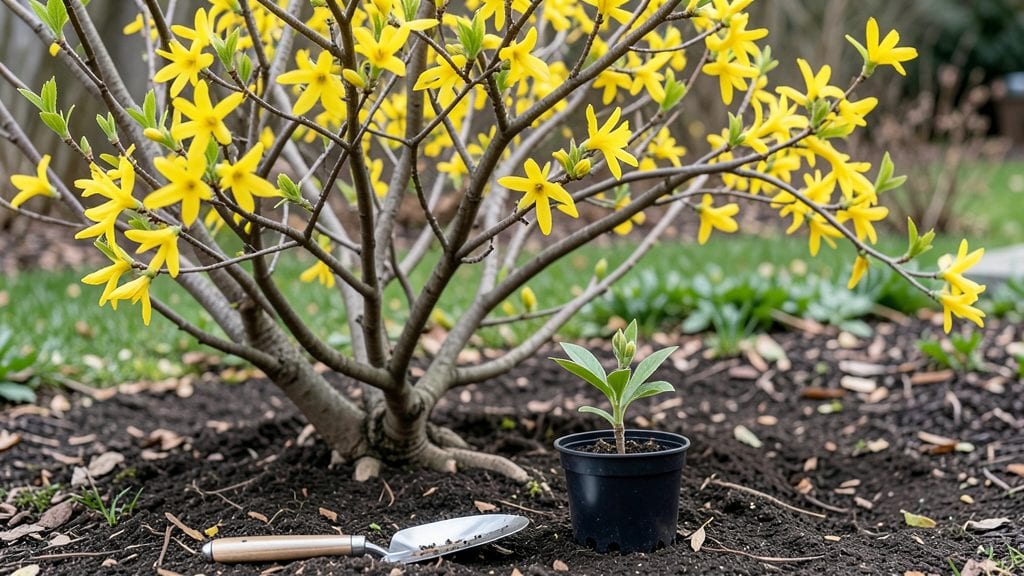
Planting forsythia bushes transforms your yard into a springtime gold rush. 🌿 I’ve planted mine in full sun, and within weeks, the bright yellow blooms make every walk past the garden feel like a celebration.
The secret isn’t just the right spot—it’s the soil prep, spacing, and a few tricks to keep them thriving for decades.
Start with well-draining soil and a sunny location—forsythia craves at least 6 hours of sunlight daily. Dig a hole twice as wide as the root ball but no deeper, then loosen the roots if they’re circling.
Space bushes 6 to 10 feet apart to give them room to grow without crowding. Plant in early spring or fall when the weather is cool but not freezing.
After planting, water deeply to settle the soil, then keep it moist for the first 2 weeks. Mulch around the base to retain moisture and protect roots from temperature swings.
With proper care, your forsythia will reward you with bold, cheerful blooms year after year, becoming the star of your landscape.
Once established, they’re low-maintenance, but a light pruning after flowering keeps them shaped and healthy. And here’s the best part: they thrive in almost any climate zone, making them a foolproof choice for vibrant spring color. Let’s get those bushes in the ground!
📚 In This Guide
- What you need
- Instructions
- Tips and common mistakes
- Wrapping up and next steps
What you need
- ● Forsythia bushes: 1–3 plants (depending on desired coverage). Choose Forsythia × intermedia (hardy to zones 5–8) or Forsythia ovata (zones 6–9) for best results.
- ● Well-draining soil: Amend heavy clay with 2–3 inches of compost or organic matter (e.g., peat moss or aged manure).
- ● Fertilizer: A balanced, slow-release fertilizer (10-10-10 or 20-20-20) or bone meal (1 tbsp per plant) for phosphorus boost.
- ● Mulch: 2–3 inches of shredded bark or wood chips to retain moisture and suppress weeds.
- ● Watering can or hose: With a gentle spray nozzle for even hydration.
- ● Garden trowel or shovel: For digging holes (size: 2–3 times wider than the root ball).
- ● Pruning shears: To trim dead or overgrown branches post-planting.
- ● Gloves: Heavy-duty gardening gloves to protect hands from thorns.
- ● Measuring tape or ruler: To ensure proper spacing (6–10 feet apart for mature size).
- ○ Stakes and twine (optional):** For young, flexible stems if planting in windy areas.
- ● Sunlight: A full-sun location (6+ hours of direct sunlight daily). Partial shade (morning sun) works but may reduce blooms.
- ● Planting time: Early spring (before buds swell) or fall (4–6 weeks before first frost) for best root establishment.
- ● Drainage test: Dig a small hole, fill with water, and wait—if it drains in 1 hour, your soil is ready!
Step-by-Step instructions for planting forsythia bushes
Here’s how to plant forsythia for bold spring color that lasts for years.
🌱 Step 1: Choose the Perfect Planting Spot
Forsythia thrives in full sun—at least 6-8 hours of direct sunlight daily. Look for a location with well-draining soil, as soggy roots lead to root rot. I always test the spot by digging a small hole—if water pools after 10 minutes, amend the soil with 2-3 inches of compost to improve drainage.
This shrub grows 8-12 feet wide, so space plants 10-15 feet apart for mature size. If planting near a fence or wall, leave extra room for pruning later. Forsythia’s bright yellow blooms appear before leaves, so avoid planting under shade trees that will block sunlight when flowers emerge.
🪴 Step 2: Dig the Hole and Prepare the Soil
Dig a hole twice as wide as the forsythia’s root ball but only as deep as the container it came in. Loosen the roots gently if they’re circling the pot—this encourages outward growth. I always mix 1 part garden soil with 1 part compost in the hole to enrich the native soil without overwhelming the plant.
Place the forsythia in the hole so the top of the root ball sits 1 inch above ground level. This prevents water from pooling at the base and causing rot. Fill the hole halfway, then water deeply to settle the soil. Once settled, add more soil until the plant sits at the correct height.
💧 Step 3: Water Thoroughly and Mulch
Water the newly planted forsythia deeply until moisture reaches 6 inches down. You’ll know it’s enough when water drains from the bottom of the hole. Forsythia is drought-tolerant once established, but young plants need consistent moisture to root properly.
Spread 2-3 inches of mulch around the base, keeping it 3 inches away from the stem to prevent rot. I use shredded bark or wood chips—this retains moisture, regulates soil temperature, and suppresses weeds. Avoid piling mulch too high, as it can suffocate the roots.
☀️ Step 4: Prune for Shape and Encourage Blooms
Prune forsythia right after flowering (late spring) to shape the bush and promote next year’s blooms. Remove dead, crossing, or weak branches first, then trim back any overgrowth to maintain an open center. I never cut into old wood—forsythia blooms on new growth, so pruning too late in the season reduces next year’s flowers.
For a fuller look, trim the outer branches by one-third to encourage bushier growth. Avoid heavy pruning in fall or winter, as the plant needs energy to establish roots before dormancy. A light trim in early spring (before buds swell) keeps the shape tidy without sacrificing blooms.
⏰ Step 5: Monitor and Care for Long-Term Health
Forsythia is low-maintenance, but watch for powdery mildew in humid climates—this appears as white, powdery spots on leaves. Improve airflow by pruning densely packed branches and avoid overhead watering. If mildew appears, spray with a fungicide or a baking soda solution (1 tsp baking soda + 1 quart water + a drop of dish soap).
Fertilize lightly in early spring with a balanced 10-10-10 fertilizer to support new growth. Over-fertilizing leads to leafy growth at the expense of flowers. Water once a week during the first growing season, then reduce to every 2-3 weeks once established. Forsythia’s vibrant blooms are your reward for patience!
Tips & tricks for planting forsythia bushes
These little tricks will help you avoid common planting pitfalls and ensure your forsythia thrives for years to come.
The Sunlight Secret: In Step 1, when checking for 6-8 hours of sunlight, observe the area throughout the day—not just peak hours. Early morning sun counts too, and forsythia's vibrant blooms depend on consistent light exposure. I've seen plants struggle when placed in spots that seem sunny but have afternoon shade from nearby structures.
Root Ball Rescue: For Step 2, if you notice roots circling the pot, don't just cut them—gently tease them apart with your fingers. This encourages outward growth rather than creating a root-bound mess. I've planted dozens and found that even a 10-minute extra root loosening makes a noticeable difference in how quickly the plant establishes itself.
Watering Wisdom: When watering deeply in Step 3 to reach 6 inches down, use your finger to check moisture—it should feel damp but not soggy. Overwatering is a silent killer for forsythia, especially in the first year. I keep a small trowel handy to check moisture levels after watering to ensure proper saturation without waterlogging.
Pruning Precision: In Step 4, mark your pruning spots with a piece of tape before cutting—this helps maintain clean lines and prevents accidental over-trimming. Forsythia blooms on new growth, so every cut affects next year's flowers. I always prune just above a leaf bud or outward-facing branch to encourage bushier growth and more abundant blooms.
Pro Tips for Planting Forsythia Bushes
- These little tricks will help you avoid common planting pitfalls and ensure your forsythia thrives for years to come.
- The Sunlight Secret: In Step 1, when checking for 6-8 hours of sunlight, observe the area throughout the day—not just peak hours.
- Root Ball Rescue: For Step 2, if you notice roots circling the pot, don't just cut them—gently tease them apart with your fingers.
Frequently asked questions
Got questions about planting forsythia bushes?
Here are some of the most common concerns—and straightforward answers—to help you grow vibrant, blooming shrubs with ease.
When is the best time to plant forsythia bushes?
Plant forsythia in early spring or early fall when temperatures are mild (50–70°F). Avoid extreme heat or frost, as these can stress young plants. Spring planting lets them establish roots before summer, while fall gives them time to settle before winter dormancy.
How much sun do forsythia bushes really need?
Forsythias thrive in full sun (6+ hours daily), but they tolerate partial shade—just expect fewer blooms. For the brightest yellow flowers, prioritize a sunny spot. If planting in shade, choose a location with at least morning sun to boost flowering potential.
Why aren’t my forsythia bushes blooming?
Common culprits include over-fertilizing (especially with high nitrogen), pruning at the wrong time, or poor sunlight. Blooms form on old wood, so prune right after flowering. If your bush is young (<3 years), be patient—it may need time to mature.
Can I plant forsythia in containers or small gardens?
Yes! Forsythias adapt well to containers (15+ gallon pots) or small gardens, but choose dwarf varieties like ‘Little Gold’ (3–4 ft tall). Use well-draining soil, and repot every 2–3 years. Just ensure the container gets full sun and adequate watering.
Are forsythia bushes prone to pests or diseases?
While generally hardy, forsythias can attract aphids, spider mites, or powdery mildew in humid conditions. Prevent issues by spacing plants for airflow and watering at the base. Treat pests with neem oil or insecticidal soap if needed. Prune affected leaves promptly to stop spread.
Wrapping up and next steps
Planting forsythia bushes is a rewarding way to welcome bright, cheerful spring blooms into your garden with minimal effort! These sun-loving shrubs thrive with the right soil, spacing, and care—so grab your gloves and get ready to transform your outdoor space into a burst of golden-yellow color. 🌸
Now that you’re armed with the sun-loving secrets, why not take the next step? Sketch a planting plan for your yard, mark the ideal sunny spots, and prepare to enjoy years of effortless beauty. Happy planting—your future spring garden will thank you! 🌞