
Flowers
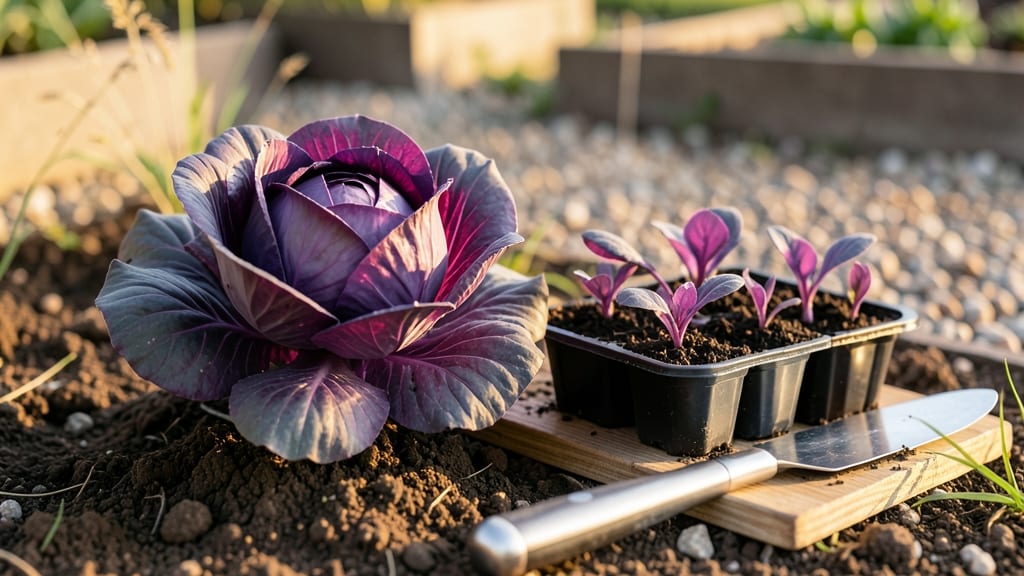
"Planting purple cabbage transforms your garden into a living work of art—deep violet leaves that shift with sunlight and stay edible too. 🌿 I’ve grown this striking cabbage for three seasons, and the secret isn’t just in the soil but in the timing and spacing that keeps those leaves vibrant from start to harvest.
The first year, I nearly lost my entire batch to transplant shock, but now I’ve cracked the code for foolproof growth.
You’ll need well-draining soil mixed with compost, seeds or seedlings (start indoors 6-8 weeks before last frost), and a sunny spot with at least 6 hours of light daily. Purple cabbage thrives in cooler weather—think spring or fall plantings—so avoid summer heatwaves that can cause bolting.
The key is spacing: 18-24 inches apart for heads, or closer if you’re growing it purely ornamental. Plant seeds ¼ inch deep or set out transplants at the same level they grew in pots.
Within 3-4 weeks, you’ll see those signature purple leaves unfurling, and with consistent watering (1-1.5 inches per week), they’ll stay lush and crisp. The real magic happens when you harvest: leaves stay tender and sweet, perfect for salads or roasting, while the color deepens as temperatures drop.
Even if you miss the timing, purple cabbage is surprisingly forgiving—it handles light frosts and recovers from minor pests better than its green cousins.
For extra drama, pair it with radishes or lettuce to deter cabbage moths, and mulch heavily to keep soil moisture steady. Whether you’re growing for color, flavor, or both, this plant delivers year after year with minimal fuss.
Let’s get those seeds in the ground—or transplants in the soil—before the next growing window slips away.
📚 In This Guide
- What you need
- Instructions
- Tips and common mistakes
- Wrapping up and next steps
What you need
- ● Purple cabbage seeds or seedlings: 10–20 seeds (or 3–5 young plants for a small garden). Opt for organic, non-GMO seeds for the best results!
- ● Well-draining soil: A mix of garden soil (60%) and compost (40%). Purple cabbage thrives in fertile, slightly acidic soil (pH 6.0–7.0).
- ● Sunlight: A sunny spot with at least 6 hours of direct sunlight daily. Partial shade (4–6 hours) works in hot climates.
- ● Watering can or hose: With a gentle spray nozzle to avoid damaging delicate leaves.
- ● Fertilizer: Balanced organic fertilizer (10-10-10 or 5-5-5) at planting time.
- ● Nitrogen-rich fertilizer (like fish emulsion) every 4–6 weeks for leafy growth.
- ● Mulch: Straw or shredded leaves (2–3 inches thick) to retain moisture and suppress weeds.
- ○ Support (optional but helpful): A small cage or stakes if your cabbage grows tall (some varieties can reach 2 feet!).
- ● Row covers: Lightweight fabric to protect seedlings from pests or cold snaps.
- ● Epsom salt: 1 tablespoon dissolved in water every 3 weeks for magnesium boost.
- ● Companion plants: Try planting with dill, onions, or thyme to deter pests naturally.
- ● pH testing kit: To monitor soil acidity and adjust with lime (to raise pH) or sulfur (to lower it).
- ● Garden journal: To track planting dates, watering schedules, and growth progress!
Step-by-step instructions for planting purple cabbage
Here's how I grow vibrant purple cabbage plants that stay healthy and produce bold, colorful heads.
🌱 Step 1: Prepare the Planting Site
Purple cabbage thrives in well-draining soil with plenty of organic matter. Work the first 12 inches of soil to loosen it, removing any rocks or debris. I like to add a handful of compost to each planting spot—this improves drainage and provides nutrients for strong root development.
Choose a location that receives full sun (6+ hours daily). Purple cabbage tolerates partial shade, but heads will be smaller and less vibrant. If your soil is heavy clay, mix in 1-2 inches of sand to improve aeration. Test the soil pH—purple cabbage prefers a slightly acidic to neutral range of 6.0-7.0.
🌱 Step 2: Plant Seeds or Transplants
If starting from seed, sow them ¼ inch deep and 1 inch apart in rows spaced 18 inches apart. Thin seedlings to 12 inches apart once they have 2-3 true leaves—this prevents overcrowding and reduces disease risk. I use a small hand trowel to carefully remove weaker seedlings, transplanting them to another spot if needed.
For transplants, dig a hole slightly deeper than the root ball and place the plant so the top of the roots sits ½ inch below soil level. This encourages strong root growth. Gently firm the soil around the base and water deeply to settle everything in place. Avoid disturbing the roots further—purple cabbage hates being transplanted once established.
💧 Step 3: Water and Mulch for Success
Keep the soil consistently moist but never soggy—purple cabbage roots need oxygen to thrive. Water deeply 1-2 times per week, depending on rainfall, until the top 1 inch of soil feels dry. I water in the morning so leaves have time to dry, reducing fungal diseases like downy mildew. Use a soaker hose or drip irrigation to avoid wetting the foliage.
Apply a 2-3 inch layer of mulch around each plant, keeping it 2 inches away from the stem. Straw or shredded leaves work well—they retain moisture, suppress weeds, and keep soil temperatures stable. Replenish mulch as it breaks down, especially during hot summer months.
☀️ Step 4: Maintain and Monitor Growth
Fertilize purple cabbage every 3-4 weeks with a balanced, organic fertilizer (like 10-10-10) to encourage steady growth. I avoid high-nitrogen fertilizers late in the season—they promote leafy growth at the expense of head formation. Watch for pests like cabbage worms or aphids; if you spot them, spray with neem oil or introduce beneficial insects like ladybugs.
As the head forms, it should feel firm to the touch. If it softens or splits, reduce watering slightly—overwatering is a common cause of poor head development. Purple cabbage takes 70-100 days to mature, depending on the variety. Harvest when the head is fully colored and tight, cutting it 1 inch above the base with a sharp knife.
✂️ Step 5: Harvest and Store for Long-Term Use
Harvest on a dry day to prevent soil from sticking to the leaves. Store whole heads in the refrigerator for up to 2 weeks or remove the outer leaves and store the core separately for longer freshness. For extended storage, ferment the cabbage into sauerkraut or freeze chopped leaves in airtight containers.
If you miss the harvest window, don’t toss the plant. Purple cabbage leaves are edible and packed with nutrients—use them in salads or sauté them like spinach. I always save a few leaves to compost, returning nutrients to the soil for next year’s crop.
Tips & tricks for planting purple cabbage
Here's what I've learned after growing purple cabbage for years—these tricks make all the difference between decent plants and showstopping harvests.
Soil Prep Secret: Beyond the 12 inches you loosen, consider adding a thin layer of coarse sand to the very top of your planting hole. This creates a tiny barrier that prevents soil-borne diseases from reaching your cabbage roots. I mix in about ½ cup of sand per planting spot, and I've noticed fewer rot issues in my plants. The key is to keep it loose—don't pack it down like regular soil.
Transplanting Hack: When you're planting transplants and burying the roots halfway (that ½ inch below soil level), make sure to use your finger to create a small trench around the root ball. This helps water flow directly to the roots instead of pooling around the stem. I've saved several plants this way when they were struggling to establish after transplanting.
Watering Wisdom: The 1-2 times per week guideline works for average conditions, but I've found that in extreme heat (above 90°F), you might need to water every other day. Check that top inch of soil with your finger—if it's dry by mid-morning, it's time to water. The morning watering routine is non-negotiable for me; it gives leaves time to dry completely, which dramatically reduces fungal diseases like downy mildew.
Head Development Tip: When you're monitoring head formation and feeling for firmness, pay attention to the color too. Purple cabbage should develop a rich, deep purple hue as it matures. If you notice the color fading or turning more green, it's often a sign of either too much nitrogen (from fertilizer) or not enough sunlight. I adjust my fertilizer to half-strength in the final 4-6 weeks to encourage that beautiful purple color we all love.
Pro Tips for Planting Purple Cabbage
- Here's what I've learned after growing purple cabbage for years—these tricks make all the difference between decent plants and showstopping harvests.
- Soil Prep Secret: Beyond the 12 inches you loosen, consider adding a thin layer of coarse sand to the very top of your planting hole.
- Transplanting Hack: When you're planting transplants and burying the roots halfway (that ½ inch below soil level), make sure to use your finger to create a small trench around the root ball.
Frequently asked questions
Got questions about growing your own purple cabbage? You’re not alone! Here are answers to the most common queries to help you cultivate vibrant, healthy plants with ease.
When is the best time to plant purple cabbage?
Purple cabbage thrives in cool weather, so plant seeds 4–6 weeks before your last frost date in spring or 60–90 days before the first fall frost. Avoid extreme heat—it bolts (goes to seed) quickly! For year-round harvests, try succession planting or grow in containers for controlled timing.
How often should I water purple cabbage?
Keep soil consistently moist but not soggy—1–1.5 inches of water per week is ideal. Water deeply at the base (not overhead) to prevent fungal diseases like downy mildew. Mulch around plants to retain moisture and suppress weeds. Pro tip: Let the top inch of soil dry out slightly between waterings to avoid root rot.
Can I grow purple cabbage in containers?
Choose a 5–7 gallon container with drainage holes and fill it with well-draining potting mix. Dwarf varieties like ‘Purple Magic’ are perfect for pots. Place containers in full sun (6+ hours daily) and water regularly. Just ensure the container is stable—cabbage heads can get heavy!
What pests or diseases should I watch for?
Common pests include cabbage worms, aphids, and flea beetles. Use row covers early to deter insects or spray with neem oil. Watch for clubroot (a soil-borne disease)—rotate crops and avoid planting in infected soil. If leaves yellow or wilt, check for black rot and remove affected plants immediately.
How do I know when purple cabbage is ready to harvest?
Harvest when heads are firm, compact, and vibrant purple, usually 70–100 days after planting. Gently twist or cut the head with a sharp knife, leaving a few outer leaves intact. For baby cabbage, harvest smaller heads earlier. Bonus: Purple cabbage keeps well—store unwashed in the fridge for up to 2 weeks!
Wrapping up and next steps
Planting purple cabbage is a rewarding journey that brings vibrant color and flavor to your garden—and your plate! 🌿 With the right soil, spacing, and care, you’ll enjoy a stunning harvest packed with nutrients and versatility.
Whether you’re a beginner or a seasoned gardener, these bold leaves are a game-changer for salads, stir-fries, or even decorative arrangements.
Ready to dive in? Start with a seed or seedling today and watch your garden transform into a purple paradise! 🌈 For extra tips, check out our FAQ section or share your progress with fellow gardeners—happy planting!