
Companion Plants
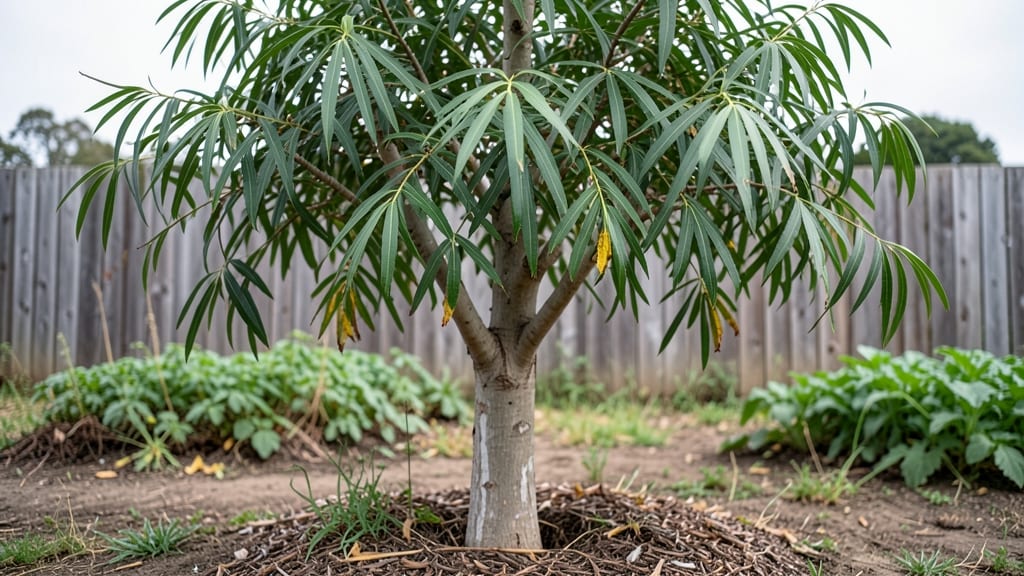
Pointed leaf plants deliver fast-growing privacy with striking year-round foliage that never goes out of style. ✨ I’ve used them to transform dull corners into lush, textured backdrops—whether in pots or planted along fences. The best part? They grow quickly and handle neglect better than most plants.
Think snake plants, aloe vera, or variegated dracaena—these plants thrive in low light and need watering only when the soil feels bone-dry. They’re perfect for beginners but also impress experienced gardeners with their bold shapes and air-purifying benefits.
Plus, their pointed leaves add architectural interest that stands out in any space.
By the end of summer, you’ll have a dense, vibrant screen that blocks noise and prying eyes while adding visual drama. These plants also play well with others, making them ideal for mixed borders or container gardens. Let’s get you growing the right ones for your light and space.
Whether you’re filling a shady corner or brightening a sunlit patio, pointed leaf plants deliver instant impact with minimal fuss. The key is choosing the right variety for your conditions—some handle dry air, others prefer humidity. I’ll walk you through the best picks and care secrets next.
📚 In This Guide
- What you need
- Instructions
- Tips and common mistakes
- Wrapping up and next steps
What you need
- ● Pointed leaf plants: Choose from fast-growing varieties like Ilex crenata (Boxwood), Buxus sempervirens (English Box), or Ligustrum japonicum (Privet). Buy 3–5 plants per 10 feet of space for dense coverage.
- ● Well-draining potting mix: 3–5 gallons (or pre-mixed soil for shrubs). Opt for a blend with peat moss or perlite (50% soil, 30% compost, 20% perlite).
- ● Organic fertilizer: Slow-release 10-10-10 NPK (1–2 lbs per plant) or fish emulsion for a natural boost.
- ● Mulch: 2–3 inches of pine bark or shredded leaves to retain moisture and suppress weeds.
- ● Garden trowel or spade: For digging holes twice as wide as the root ball.
- ● Pruning shears: Bypass-style (for clean cuts) and loppers (for thicker stems).
- ● Garden hose or watering can: With a spray nozzle for gentle watering.
- ● Measuring tape: To space plants 3–6 feet apart (depending on maturity size).
- ● Gloves: Heavy-duty gardening gloves to protect from thorns or rough foliage.
- ● Epsom salt: 1 tbsp per gallon of water monthly for magnesium-rich foliage.
- ● Plant supports: Stakes or cages for taller varieties like Ligustrum.
- ● Soil tester kit: To check pH (6.0–7.0 ideal) and adjust with lime or sulfur.
- ● Drip irrigation system: For low-maintenance watering in large plantings.
Instructions for planting pointed leaf plants for instant privacy
Here's how to create a lush, evergreen privacy screen in record time—no waiting years for slow growers!
🌱 Step 1: Choose the Right Spots for Maximum Impact
Pointed leaf plants like holly, boxwood, or pieris thrive in full sun to partial shade, but they need space to spread. Mark your planting zones with 4-inch wooden stakes—these will be your 4-foot centers for each plant, creating a dense screen over time. I always space them wider than the container size to prevent root competition later.
Check soil drainage first—these plants hate soggy roots. Dig a small hole with your trowel and fill it with water. If it drains in under 10 minutes, you're good. If not, amend the area with 2 gallons of compost mixed into the top 6 inches of soil to improve drainage. This ensures roots stay healthy and grow fast.
🪴 Step 2: Plant Deeply for Stronger Growth
Remove each pointed leaf plant from its container and loosen the roots gently with your fingers—this encourages them to spread into the new soil. Dig a hole twice as wide as the root ball but only as deep as the container. The top of the root ball should sit 1 inch below soil level—this prevents stem rot and encourages a sturdy base.
Place the plant in the hole and backfill with native soil, pressing lightly around the edges to remove air pockets. Water deeply until the soil settles, then add a 1-inch layer of mulch (like pine straw or shredded bark) to retain moisture and suppress weeds. This step is critical—skipping it means slower establishment and weaker growth.
☀️ Step 3: Water Smartly for Fast Establishment
Water each newly planted pointed leaf specimen with 1 gallon of water immediately after planting. Then, water every 2-3 days until new growth appears—usually within 2-3 weeks. You'll know it's working when you see bright green, pointed leaves emerging from the center. Overwatering here is the biggest mistake; soggy soil invites root rot.
After the first month, reduce watering to once a week unless your area experiences dry spells. These plants are drought-tolerant once established, but young roots need consistent moisture to spread quickly. Mulch helps—just keep it 2 inches away from the stem to prevent moisture buildup that can cause rot.
✂️ Step 4: Prune for Shape and Density
Wait until spring of the second year before pruning—this gives plants time to root deeply. Use clean, sharp pruners to trim back one-third of the new growth in early spring. This encourages bushier growth and fills in gaps faster. I always prune just above a leaf node (the bump where leaves attach) to promote new branches.
For a formal hedge look, prune twice a year: once in late spring after flowering (if applicable) and again in early summer. Avoid heavy pruning in fall—it stresses plants before winter. You'll see a denser screen within 1-2 years if you stick to this schedule. Real talk: Skipping pruning means leggy, sparse growth that takes forever to fill in.
Tips & tricks for perfect pointed leaf privacy screens
Want that lush, professional privacy screen without waiting years? These game-changing tips will help your pointed leaf plants grow like crazy and fill in faster than you'd believe!
Location is Everything: In Step 1, when choosing your 4-foot centers, pay extra attention to microclimates. The north side of your property often gets less sun than the south—if you're planting holly, which loves full sun, place those on the south side. Boxwood thrives in partial shade, so use it on the north side. This simple adjustment means faster growth and fewer yellow leaves down the road!
Root Loosening Hack: During Step 2, when loosening those roots, don't just pull at them—gentle is key! Use your fingers to tease apart the root ball like you're unraveling a sweater. This encourages roots to spread outward into the new soil instead of circling (which causes weak growth). I've seen plants establish twice as fast when I take this extra 30 seconds per plant.
Watering Wisdom: In Step 3, that 10-minute drainage test is your best friend! If water pools after 10 minutes, you absolutely need that 2 gallons of compost—don't skip it. For the 2-3 week watering schedule, I set a timer on my phone so I don't forget. And here's the secret: water deeply each time (about 1 gallon per plant) rather than light sprinkles. This trains roots to grow deep and strong for that fast establishment we're after.
Pruning Pro Tips: When you're ready to prune in Step 4, grab your pruners and make clean cuts just above those leaf nodes. Here's what nobody tells you—if you're going for a formal hedge, use a string line to keep cuts even. For a more natural look, let some branches grow longer. And that twice-a-year schedule? Stick to it religiously for those first 2 years, and you'll have a dense screen in no time!
Pro Tips for Pointed Leaf Plants
- Want that lush, professional privacy screen without waiting years?
- Location is Everything: In Step 1, when choosing your 4-foot centers, pay extra attention to microclimates.
- Root Loosening Hack: During Step 2, when loosening those roots, don't just pull at them—gentle is key!
Frequently asked questions
Got questions about adding pointed leaf plants to your garden or landscape? You’re not alone! Here are some of the most common queries—and their straightforward answers—to help you grow with confidence.
What are the fastest-growing pointed leaf plants for quick privacy?
For rapid height and density, opt for Loropetalum chinense (Chinese fringe flower) or Ilex crenata (Japanese holly). Both grow 12–24 inches per year and thrive in partial shade. If you need year-round coverage, Nandina domestica (heavenly bamboo) is a top pick—it’s drought-tolerant and sports striking red berries in winter!
How long does it take for pointed leaf plants to provide full privacy?
Most pointed leaf shrubs take 2–5 years to reach full maturity, depending on the species. For example:
- Loropetalum: 3–4 years for a 6-foot screen.
- Ilex crenata: 4–5 years for dense coverage.
- Nandina: 2–3 years (faster if pruned annually).
Can pointed leaf plants survive in full shade?
Some varieties, like Loropetalum (especially purple-leaf cultivars), tolerate partial shade (4–6 hours of sun daily). However, most pointed leaf plants—such as Ilex crenata or Pieris japonica—prefer full sun to partial shade for optimal growth. If your space is shady, choose dwarf gardenia or inkberry holly for adaptability.
When and how should I prune pointed leaf plants for shape?
Prune late winter or early spring (before new growth starts) to avoid stressing the plant. Use clean, sharp shears to:
- Trim 1/3 of the plant’s height annually for bushiness.
- Remove dead or crossing branches to improve airflow.
- Shape gradually—avoid heavy cuts in one season!
Are there drought-tolerant alternatives to pointed leaf plants?
If water conservation is a priority, try:
- Dwarf yaupon holly (Ilex vomitoria ‘Nana’): Thrives on 1 inch of water weekly once established.
- Cotoneaster (e.g., Cotoneaster dammeri): Handles dry soil and stays compact.
- Abelia (Abelia x grandiflora): Drought-resistant with glossy leaves and fragrant flowers.
Wrapping up and next steps
Pointed leaf plants like Ilex or Pyracantha offer a stunning blend of fast growth, year-round privacy, and bold foliage—perfect for adding structure and drama to your landscape. Whether you’re a seasoned gardener or just starting, these plants deliver low-maintenance beauty with minimal fuss.
Ready to elevate your outdoor space? Start by choosing the right variety for your climate, then plant with confidence!
🌿 Pro Tip: Pair them with complementary shrubs (like Abelia or Camellia) for a layered, ever-changing privacy screen that thrives year after year.