Container Gardens
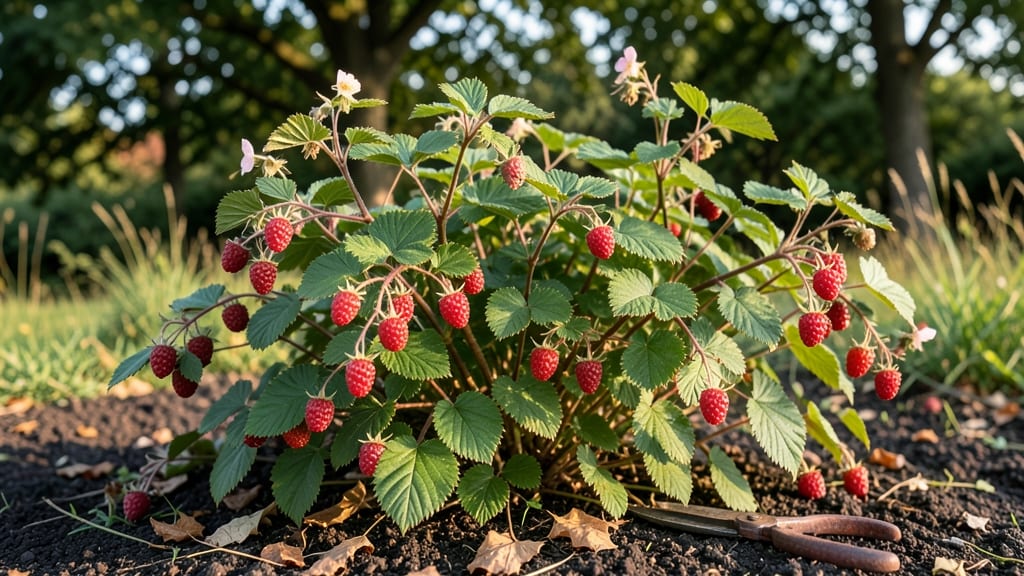
Growing potted raspberry plants transforms what most think of as a backyard chore into a neighborhood bragging-rights project—with sweeter fruit and half the fuss. 🌱 I’ve watched my container-grown canes outperform even my in-ground plants, and it all starts with the right container and soil mix.
The key isn’t complicated: raspberries just need deep roots, consistent moisture, and a little winter protection to keep producing year after year.
You’ll need a 5-gallon or larger container (bigger is better for established plants), drainage holes, and a well-draining potting mix mixed with compost. Most garden centers sell raspberry-specific blends, but I add extra perlite to keep the roots from sitting in soggy soil.
Sunlight is non-negotiable—at least 6 hours of direct light daily—and a sturdy trellis or wire cage to support those heavy canes as they grow.
Pruning feels intimidating at first, but raspberries reward minimal effort. Cut back last year’s canes after harvest, then focus on shaping new growth. With proper care, you’ll harvest juicy berries by midsummer, and the plants will keep producing for years.
The best part? No weeds, no soil-borne diseases, and fruit that ripens all at once for easy picking.
This method works for summer-bearing varieties like Heritage or Boyne, and even in small spaces like patios or balconies. The trade-off? You’ll need to water more frequently and protect the pots from freezing temps.
Once you see those first red berries forming, though, you’ll wonder why you ever planted them in the ground.
📚 In This Guide
- What you need
- Instructions
- Tips and common mistakes
- Wrapping up and next steps
What you need
- ● Potted raspberry plants: 1-3 bare-root or container-grown canes (choose hermaphrodite varieties like 'Boyne Gold' or 'Autumn Bliss' for minimal pruning needs).
- ● Containers: 1-2 large pots (12-18 inches deep, with drainage holes). Tip: Use fabric grow bags or wood barrels for better root aeration!
- ● Well-draining potting mix: 5-10 gallons (avoid garden soil—raspberries hate soggy roots!). Mix in perlite or vermiculite (1 part per 4 parts soil) for extra drainage.
- ● Organic fertilizer: Balanced 10-10-10 or raspberry-specific blend (follow package rates for potted plants).
- ● Mulch: 2-3 inches of pine bark fines or straw to retain moisture and regulate soil temp.
- ● Drip irrigation or watering can: Containers dry out fast—keep soil consistently moist (not soggy!).
- ● Pruning shears: Sharp, clean pair for shaping canes (sterilize with rubbing alcohol between cuts!).
- ● Garden gloves: Raspberries have thorns—protect your hands!
- ○ Support system (optional but helpful): 1-2 bamboo stakes or trellis (4-6 feet tall) for vertical growth.
- ● Or a wire cage kit designed for potted berries.
- ○ Soil pH test kit (optional): Raspberries prefer 5.5–6.5 pH. Adjust with lime (to raise pH) or sulfur (to lower) if needed.
- ○ Compost or worm castings (optional): Boost nutrient density with 1 cup mixed into the soil at planting.
Step-by-Step guide to growing thriving potted raspberry canes
Here’s how I keep raspberries productive in containers—minimal fuss, maximum berries.
🪴 Step 1: Select the Right Containers and Drainage
Raspberries need deep roots, so choose 5-gallon containers (minimum) with multiple drainage holes. I use fabric grow bags because they prevent root circling and allow excess water to evaporate. If using traditional pots, drill 4-6 holes in the bottom to avoid soggy roots.
Line the bottom with 2 inches of gravel or broken pottery to create a drainage layer. This prevents soil from clogging the holes and keeps roots oxygenated. Place your container in a wheelbarrow or saucer to catch overflow—raspberries hate wet feet.
🌱 Step 2: Plant Canes at the Correct Depth and Spacing
Dig a hole twice as wide as the root ball but no deeper—raspberries root best when planted at the same depth they grew in their nursery pot. Gently loosen the roots before placing the cane in the hole to encourage outward growth.
For 4 canes, space them 6-8 inches apart in a circle around the container’s center. This mimics their natural bushy growth habit and prevents overcrowding. Water deeply after planting to settle the soil and eliminate air pockets around the roots.
☀️ Step 3: Provide Full Sun and Consistent Moisture
Raspberries thrive in 6-8 hours of direct sun daily, so place your pots in the sunniest spot available. If shade is unavoidable, supplement with a grow light for 12-14 hours/day—leggy canes mean insufficient light.
Keep soil evenly moist but not soggy—raspberries wilt quickly in drought but rot just as fast in waterlogged soil. I water deeply every 2-3 days in summer, checking that the top 2 inches of soil feel dry before watering again. Mulch with 2 inches of shredded bark to retain moisture and suppress weeds.
✂️ Step 4: Prune for Productivity (Minimal Effort Edition)
Remove dead or diseased canes in early spring—these are easy to spot as they’re brown, brittle, or hollow. For summer-bearing varieties, cut back any canes that fruited last year to 6 inches tall in late winter. This redirects energy to new, productive canes.
For fall-bearing varieties, prune lightly in summer after harvest—just trim back one-third of the oldest canes to encourage new growth. Avoid heavy pruning; raspberries reward gentle maintenance with years of berries.
🌿 Step 5: Fertilize for Big Berries (Without Overdoing It)
Use a balanced, slow-release fertilizer (10-10-10) in early spring, following package rates. Raspberries are heavy feeders but hate excess nitrogen—this causes lush foliage but few berries. Side-dress with 1 cup compost in late summer to replenish nutrients.
Watch for yellowing leaves—this usually means iron deficiency or overwatering. Adjust care accordingly: add chelated iron if leaves are pale, or let the soil dry out slightly before watering again. Healthy canes have deep green leaves and thick stems.
Tips & tricks for thriving potted raspberry canes
Here's what I've learned after years of growing raspberries in containers—these tricks ensure your plants stay healthy and productive with minimal fuss.
Container Selection Matters: While 5-gallon containers work, I've found that 7-gallon fabric grow bags actually perform better because they allow roots to breathe better and expand more naturally. The extra volume gives roots room to establish without becoming root-bound. If you must use traditional pots, make sure they're at least 12 inches deep—raspberries need that depth for strong root systems.
Root Preparation is Key: Before planting, I soak the root balls in water for 10-15 minutes to ensure they're fully hydrated. This helps them establish faster in their new containers. When loosening roots in Step 2, don't go overboard—just gently separate any tightly packed roots with your fingers. The goal is to encourage outward growth, not damage the canes.
Light Requirements Can't Be Compromised: The 6-8 hours of direct sun is non-negotiable for raspberries. If your only sunny spot gets partial shade after noon, consider moving your containers to a sunnier location during peak sunlight hours. For indoor growing, supplement with a full-spectrum LED grow light positioned 6-12 inches above the plants for those 12-14 hours. Leggy growth is your first sign of insufficient light.
Watering Strategy Prevents Common Problems: The "top 2 inches dry" test works well, but I've found that using a moisture meter gives more consistent results—aim for 40-50% moisture in the root zone. When watering, focus on deep watering rather than frequent light watering. This encourages roots to grow deeper into the container, making your plants more drought-tolerant. I've seen many beginners overwater because they think raspberries need constant moisture, but soggy roots lead to root rot faster than drought.
Pro Tips for Potted Raspberry Plants
- Here's what I've learned after years of growing raspberries in containers—these tricks ensure your plants stay health...
- Container Selection Matters: While 5-gallon containers work, I've found that 7-gallon fabric grow bags actually perfo...
- Root Preparation is Key: Before planting, I soak the root balls in water for 10-15 minutes to ensure they're fully hy...
Frequently asked questions
Got questions about growing potted raspberry plants?
You’re not alone! Here are answers to the most common queries to help you cultivate thriving, low-maintenance canes in containers.
Can potted raspberry plants produce fruit in their first year?
Not usually! Most raspberry varieties need 1-2 years to establish strong root systems and produce fruit. Focus on pruning old canes (after harvest) and fertilizing to encourage growth. Patience pays off—your second year will be bountiful!
When is the best time to prune potted raspberries?
Prune immediately after harvest (late summer/early fall) for summer-bearing types, or in late winter/early spring for fall-bearing varieties. Remove dead, weak, or crossing canes to improve airflow and sunlight. Pro tip: Use clean, sharp shears to avoid disease spread!
What’s the ideal container size for raspberry plants?
Aim for at least 18-24 inches deep and 12-18 inches wide per plant. Larger pots (20+ gallons) retain moisture better and support root growth. Ensure containers have drainage holes to prevent root rot—raspberries hate soggy feet!
How do I keep potted raspberries from getting leggy or sparse?
Leggy growth often signals too little light or overcrowding. Move pots to a sunny spot (6+ hours of light daily) and thin canes to 6–8 per pot. Use a balanced fertilizer (10-10-10) in spring and summer to boost vigor. Bonus: Rotate pots occasionally for even growth!
Are potted raspberries prone to pests, and how do I prevent them?
Common pests include spider mites, aphids, and raspberry cane borers. Inspect leaves regularly () and spray with neem oil or insecticidal soap for soft-bodied bugs. For borers, wrap lower canes in aluminum foil in early spring to deter egg-laying. Healthy plants resist pests better—keep them well-watered and fed!
Can I grow raspberries in pots year-round, or do they need winter care?
Potted raspberries are not frost-hardy in cold climates. In winter, move pots to a garage or unheated shed (above freezing) and reduce watering. If you can’t relocate them, mulch heavily with straw and wrap pots in bubble wrap for insulation. Resume care in spring! →
Wrapping up and next steps
Growing potted raspberry plants is a rewarding way to enjoy fresh, sweet berries without the space or maintenance of a full garden! With the right container, soil, and minimal pruning, you’ll have thriving canes producing delicious fruit year after year.
Start small—pick a sunny spot, choose the right variety, and let nature do the rest.
Ready to harvest your first crop? Plant your potted raspberries today and watch your container garden flourish! 🌱 For even more tips, explore our container gardening guide to keep your plants happy and productive.