
Propagation
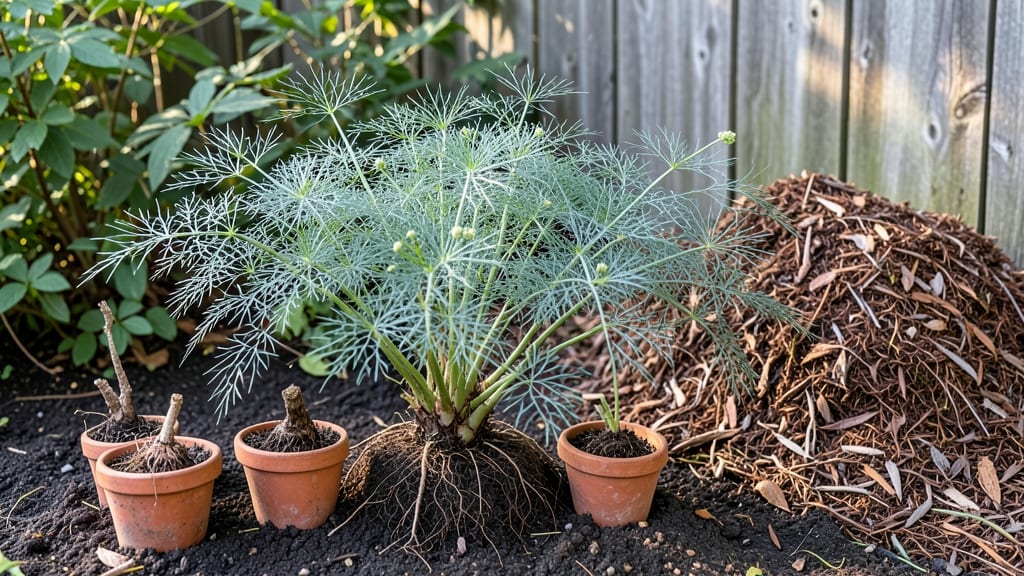
Propagating asparagus from mature crowns is the fastest way to get your own perennial harvest—no waiting years for seeds to mature. 🌱 I’ve done this twice now, and the first spear appeared in my garden just 2 years after planting, cutting the usual 3-year wait by half.
The secret lies in timing, soil prep, and knowing when to leave those crowns alone.
You’ll need a shovel, some compost-rich soil, and a sunny spot with at least 6 hours of light daily. The best time to divide is early spring or fall, when the plant isn’t actively growing.
Dig up a healthy crown, rinse off the soil, and slice it into sections with at least one “eye” (the tiny bud where spears grow) per piece. Plant each section 12 inches deep and 18 inches apart.
Once planted, water deeply but avoid soggy soil—root rot is the #1 killer of young asparagus. The first year, let the plants focus on roots; you’ll see spears in year two, and by year three, you’ll have a full harvest.
The key is patience: those first spears are worth the wait, and the plants will reward you for decades.
This method works in zones 3-10, though cooler climates produce faster. For beginners, the biggest mistake is rushing the harvest—wait until the third year to cut spears, or you’ll stunt future growth. Trust the process, and you’ll have a low-maintenance crop that keeps giving for 15+ years.
📚 In This Guide
- What you need
- Instructions
- Tips and common mistakes
- Wrapping up and next steps
What you need
- ● Asparagus crowns: 1-3 healthy, disease-free crowns (1-year-old or older). Look for females (thicker stems) or males (slender, faster-growing) at a nursery or online.
- ● Garden soil: Well-draining, fertile loam with a pH of 6.5–7.5. Amend with compost (2–3 inches mixed into the top 12 inches of soil).
- ● Organic mulch: Straw or wood chips (3–4 inches thick) to retain moisture and suppress weeds.
- ● Watering can or hose: With a gentle spray nozzle for even hydration.
- ● Garden fork or trowel: For digging trenches (6–8 inches deep) or planting holes.
- ● Pruners or sharp knife: To trim damaged roots or stems (sterilize with rubbing alcohol!).
- ○ Fertilizer (optional but recommended): Balanced fertilizer: 10-10-10 or 5-10-10 (apply lightly at planting).
- ● Compost tea or worm castings: For a nutrient boost (1–2 cups per planting hole).
- ● Soil test kit: To check pH and nutrient levels before planting.
- ● Row covers or frost cloth: For young plants in cooler climates (spring/fall protection).
- ● Drip irrigation system: To automate watering (asparagus loves consistency!).
- ● Plant markers: To label varieties and track growth (fun for gardeners!).
- ● Garden gloves: Because nobody likes thorny asparagus ferns poking their hands!
How to propagate asparagus crowns for a permanent garden
Here's my straightforward method for growing asparagus from crowns—no seeds, no waiting years for sprouts.
🌱 Step 1: Purchase and Prepare Healthy Asparagus Crowns
Choose 1-year-old crowns with at least 3-5 healthy buds each. I always verify the buds are firm and plump—shriveled or dried-out crowns won't establish well. Soak the crowns in lukewarm water for 12-24 hours before planting to rehydrate the roots and encourage faster growth.
This step is critical: Crowns from grocery stores often come from older plants with fewer buds. Look for suppliers specializing in asparagus crowns—they'll have what you need. After soaking, gently pat the crowns dry with a paper towel to prevent rot during planting.
🪴 Step 2: Dig Trench Beds and Amend Soil
Asparagus thrives in loose, fertile soil with excellent drainage. Dig trenches 6-8 inches deep and 12 inches wide, spacing them 18 inches apart for each crown. The trench method keeps roots cool and prevents crown rot.
Amend the soil with 2-3 inches of compost mixed into the bottom of the trench. Asparagus is heavy-feeder, so I add a handful of 5-10-10 fertilizer per foot of trench length. Avoid fresh manure—it burns tender roots. Work the amendments into the soil until it's loose and crumbly.
💧 Step 3: Plant Crowns Correctly in Trench Beds
Place each crown in the trench with the buds facing upward and the roots spread out evenly. Space crowns 18-24 inches apart along the trench. Cover the crowns with 2-3 inches of soil, leaving the buds exposed—this ensures they get light to sprout.
Water the trench thoroughly until the soil is evenly moist to a depth of 6 inches. You'll know it's right when water runs out the ends of the trench without pooling. After planting, I mulch the trench with 2-3 inches of straw to retain moisture and suppress weeds—this is non-negotiable in hot climates.
☀️ Step 4: Provide Care During the First Critical Year
Asparagus crowns need full sun (6+ hours daily) and consistent moisture. Water the trench 1-2 times per week during the first growing season, keeping the soil evenly moist but never soggy. You'll see spear-like shoots emerge in spring—this is your cue that the roots are establishing.
Here's the thing—do not harvest any spears in the first year. Resist the urge! Let the plants grow freely to build strong roots. In year two, you can harvest 5-10 spears per plant in early spring, but save the rest to feed the crown. By year three, you'll have a full harvest.
✂️ Step 5: Maintain and Harvest for Years to Come
After the first year, harvest spears in early spring when they're 6-8 inches tall and still tight. Cut them at ground level with a sharp knife—never pull them, or you'll damage the crown. I harvest spears for 6-8 weeks each spring, then let the plants grow wild the rest of the season.
In late fall, trim the foliage back to 2 inches above ground level and add 2-3 inches of compost to the trench. This protects the crowns over winter and replenishes nutrients. Asparagus plants live for 15+ years with proper care—once established, they're virtually maintenance-free.
Tips & tricks for perfect asparagus propagation
These simple tricks will help you establish a thriving asparagus garden that delivers fresh spears for decades.
Soaking Secret: The 12-24 hour soak in Step 1 isn't just about hydration—it's about waking up dormant roots. I use lukewarm water (around 70°F) because cold water stresses the crowns while hot water can damage delicate tissues. You'll notice the buds plump up noticeably after soaking, which means they're ready to sprout faster. Don't skip this step, even if the crowns look fresh!
Trench Depth Matters: In Step 2, that 6-8 inch depth isn't arbitrary—it creates the perfect balance. Shallower trenches can lead to crown rot, while deeper ones may cause the spears to grow too long before emerging. I like to mark my trench depth with a wooden stake to avoid digging too deep. Also, the 18-inch spacing between trenches prevents competition for nutrients and makes harvesting easier later.
Watering Wisdom: When you water to 6 inches deep in Step 3, think of it as creating a moisture reservoir. The water should run out the ends without pooling—this tells you the soil is evenly moist but not waterlogged. In hot climates, I check soil moisture daily during summer, while cooler climates might only need weekly checks. The mulch layer is your best friend here—it keeps moisture consistent and reduces watering frequency by 30%.
First Year Discipline: The hardest part of Step 4 is resisting those first spears! I've made this mistake twice—both times my plants took an extra year to recover. Let those spears grow wild the first year so the roots can establish properly. You'll know you're doing it right when you see healthy foliage by midsummer. This is how you get that 15+ year harvest instead of a one-year wonder.
Pro Tips for Propagating Asparagus Plants
- These simple tricks will help you establish a thriving asparagus garden that delivers fresh spears for decades.
- Soaking Secret: The 12-24 hour soak in Step 1 isn't just about hydration—it's about waking up dormant roots.
- Trench Depth Matters: In Step 2, that 6-8 inch depth isn't arbitrary—it creates the perfect balance.
Frequently asked questions
Got questions about propagating asparagus? You’re not alone! Here are some of the most common concerns—and their straightforward answers—to help you get started with confidence.
How long does it take for asparagus crowns to produce spears after planting?
Patience is key! Asparagus crowns take at least 2–3 years to establish roots and start producing spears. In the first year, focus on helping the crowns root deeply—avoid harvesting anything. By year 3, you’ll see a full harvest, and yields will peak in years 4–5.
Can I propagate asparagus from seed, or do I need crowns?
While you can grow asparagus from seed, it’s a slower process (spears may take 3–4 years!). For faster results, opt for crowns (root systems) from a nursery. Crowns mature in 2–3 years and are the most reliable method for home gardeners.
Why aren’t my asparagus crowns sprouting after planting?
If your crowns aren’t sprouting, check these common culprits:
- Buried too deep: Crowns should sit just below soil level—no deeper than 6 inches.
- Poor drainage: Asparagus hates soggy soil. Amend heavy clay with compost or sand.
- Cold soil: Wait until the soil is at least 50°F (10°C) before planting in spring.
How do I prevent asparagus ferns from taking over my garden?
Asparagus ferns spread via underground runners, but you can control them with these tips:
- Plant crowns 12–18 inches apart in trenches to limit spread.
- Cut ferns back to the ground in late fall (after the first frost) to reduce energy for next year’s growth.
- Mulch with straw or wood chips to suppress weeds and slow runner growth.
Can I divide an existing asparagus patch to propagate new plants?
Yes! Dig up mature crowns (5+ years old) in early spring or fall. Gently separate the crowns into smaller clusters with roots, ensuring each has at least 3–5 buds. Replant immediately in prepared soil, water well, and avoid harvesting spears for a year to help them recover.
Wrapping up and next steps
Propagating asparagus is a rewarding way to enjoy a low-maintenance, high-yield harvest for years to come! 🌱 With just a few crowns and patience, you’ll soon be savoring fresh spears straight from your garden—no replanting required. Now that you know the best methods, why not start small this season?
Try dividing a neighbor’s mature patch or buy crowns from a trusted nursery, then give your soil the love it deserves. Happy growing—your future self (and taste buds) will thank you!