
Pruning
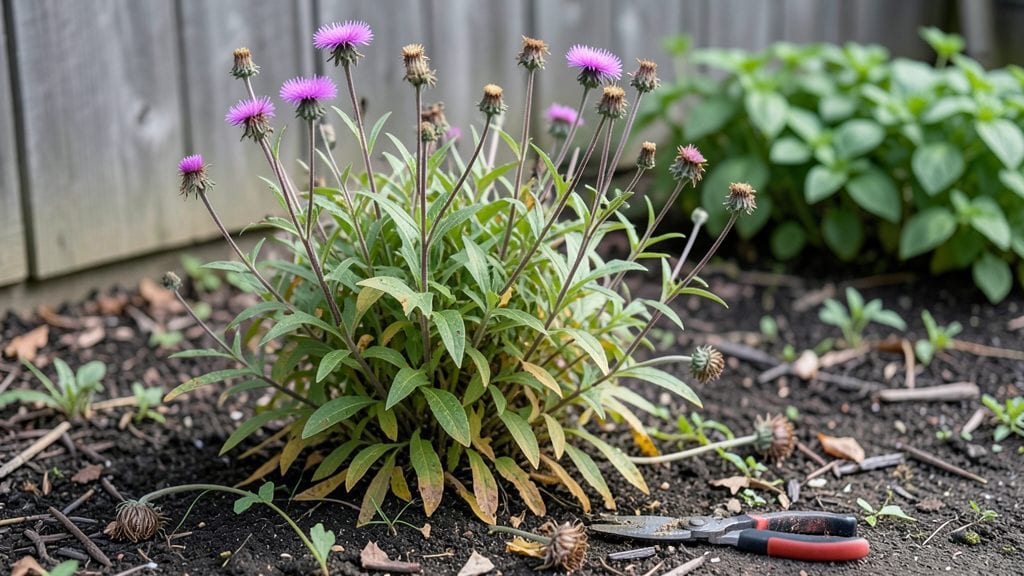
Pruning asters plants transforms a single burst of color into weeks of vibrant blooms—and I’ll show you exactly how to do it without harming your plants. ✨ The key is timing: cut back in early spring and again after the first flush of flowers, but never too late in the season.
Most gardeners skip this step, missing out on longer bloom seasons and stronger stems that resist flopping.
You only need three tools: sharp pruning shears, gloves, and a bucket for clippings. Focus on removing about one-third of the plant’s height in spring to encourage bushier growth, then trim spent blooms regularly to prompt new flowers.
The goal is to keep the plant’s energy flowing upward, not into seed production.
After pruning, your asters will reward you with thicker stems that hold up to rain and wind, plus extended blooming from late summer well into fall.
The flowers stay fresher longer when you remove faded blooms before they go to seed, and the plant stays healthier by preventing fungal issues from crowded stems.
This method works for both New England asters and Michaelmas daisies, whether you’re growing them in garden beds or containers. The only rule? Don’t wait until winter—pruning then stresses the plant. Start now, and your asters will thank you with bold, long-lasting color all season long.
📚 In This Guide
- What you need
- Instructions
- Tips and common mistakes
- Wrapping up and next steps
What you need
- ● Pruning shears: Bypass pruners (sharp, 5-7" blades) for clean cuts—1 pair. Avoid dull tools to prevent tearing stems.
- ○ Hand pruners: Small, ergonomic (3-4" blades) for delicate trimming—1 pair (optional but handy for tight spaces).
- ● Gloves: Garden gloves (nitrile-coated for grip) to protect hands from thorns and sap—1 pair.
- ● Disinfectant: Rubbing alcohol (70%+) or bleach solution (1:9 bleach:water) to sterilize tools—small spray bottle or wipe.
- ○ Pruning saw: For thick stems (if stems exceed ½ inch in diameter)—1 saw (optional).
- ● Timing: Prune in early morning or late afternoon to avoid stressing plants in peak sun. Aim for late summer (August-September) for blooming asters.
- ● Weather check: Ensure dry conditions—wet plants or tools can spread disease. Wait 1-2 hours after rain.
- ● Safety gear: Sunglasses (to shield from debris) and long sleeves (if working in sunny conditions).
- ● Cleanup supplies: Bucket or trash bag for clippings—1 large container.
- ○ Water source: Hose or watering can to hydrate plants post-pruning—optional but recommended.
- ● ✨ Sharpen tools first! Dull blades crush stems, inviting disease. Hone shears with a file or sharpening stone before starting.
- ● 🌡️ Work in layers. Remove 1/3 of the plant’s foliage max per session to avoid shocking asters.
- ○ 🎯 Label your cuts. Use a small flag or twine to mark stems needing follow-up pruning (optional but helpful for large gardens).
Step-by-Step guide for pruning asters for vibrant blooms
Here's my go-to method for keeping asters lush and flowering all season—no fancy tools needed.
✂️ Step 1: Remove Dead or Damaged Stems Early in Season
Start pruning in early spring as new growth appears. Look for stems that are brown, mushy, or completely devoid of leaves—these won't recover and just drain energy from healthy growth. Grab your pruners and cut these stems all the way back to the base at a 45-degree angle. This angle helps water run off cleanly and prevents rot.
I always make this my first pass because it clears out the dead weight that can harbor pests or diseases. You'll notice the plant looks instantly tidier, and new shoots will emerge from the base within 7-10 days. If you spot any stems with blackened or oozing spots, snip those off immediately—they're signs of fungal infection that spreads quickly.
✂️ Step 2: Pinch Back Leggy Growth for Bushier Plants
Once your asters reach about 6-8 inches tall, it's time to encourage branching. Using your fingers (no pruners needed here), pinch off the top 1-2 inches of the main stems just above a set of leaves. This might seem counterintuitive—you're removing flowers—but it redirects the plant's energy to produce more side shoots, resulting in a fuller, more abundant bloom later.
Here's the thing—aster stems grow quickly, so repeat this pinching every 2-3 weeks until mid-summer. You'll see new side branches forming within 5-7 days of each pinch. Avoid cutting into woody stems; focus only on the soft, green growth. If you're unsure, just pinch where the stem feels tender between your fingers.
✂️ Step 3: Deadhead Spent Blooms for Extended Flowering
As flowers fade and their centers turn brown, it's time to deadhead. Using your fingers or pruners, snip off the entire spent bloom cluster just above the next set of leaves or buds. This prevents the plant from wasting energy on seed production and encourages it to produce more flowers. I do this every 3-4 days during peak bloom season, usually in late summer.
Watch for new buds forming at the stem junctions—these are your reward for deadheading. If you notice any buds that aren't opening, you might have pinched too late in the season. Asters typically bloom from mid-summer to fall, so stop deadheading by early September to allow the plant to set seeds for next year if you want natural propagation.
Tips & tricks for pruning asters for vibrant blooms
These simple tricks will help you keep your asters thriving and blooming beautifully all season long.
Timing is Everything: Early spring is the best time to start pruning—those first 7-10 days after your initial pruning are crucial. New shoots will emerge quickly, so don't wait until you see significant damage. I always set a calendar reminder for early spring to avoid missing this window. The sooner you remove dead stems, the faster your plant will bounce back with fresh growth.
Pinching Technique: When you're pinching back those leggy stems in Step 2, focus on the soft green growth just above a set of leaves. This is where new branches will form. I like to pinch in the morning when the stems are firm—this gives the plant the whole day to recover before nightfall. If you pinch too close to evening, the plant might struggle to heal overnight.
Deadheading Strategy: During peak bloom season, make deadheading a regular habit—every 3-4 days keeps your asters producing flowers. I've found that using clean pruners (or even your fingers) makes all the difference. Dirty tools can introduce bacteria that causes infections. After each deadheading session, wipe your pruners with rubbing alcohol to keep them sanitized for the next cut.
Seasonal Adjustments: Remember that early September is your cutoff for deadheading if you want to preserve seeds for next year. After that, let a few flowers go to seed—they'll provide food for birds and help propagate your garden naturally. I always leave 2-3 stems to mature completely, then collect the seeds for spring planting.
Pro Tips for Pruning Asters Plants
- These simple tricks will help you keep your asters thriving and blooming beautifully all season long.
- Timing is Everything: Early spring is the best time to start pruning—those first 7-10 days after your initial pruning are crucial.
- Pinching Technique: When you're pinching back those leggy stems in Step 2, focus on the soft green growth just above a set of leaves.
Frequently asked questions
Got questions about pruning asters?
You’re not alone! Here are answers to the most common ones—so you can keep your garden thriving with confidence.
When is the best time to prune asters for more blooms?
Prune asters after the first flush of blooms (late summer) to encourage a second wave of flowers. Avoid pruning in early spring or fall, as this can stress the plant before dormancy or growth. Focus on removing spent blooms and leggy stems for best results!
How often should I prune asters?
Prune asters regularly during their blooming season (late summer to early fall) to maintain shape and promote new growth. Deadhead faded flowers weekly to redirect energy to fresh blooms. A light trim every 2–3 weeks keeps them lush and healthy.
What if I prune too late in the season?
Pruning asters too late (after the first frost or when growth slows) can stunt next year’s blooms. If you miss the window, focus on cleanup in early spring—remove dead foliage but avoid heavy cuts. Asters are hardy, so they’ll bounce back!
Can I prune asters for bushier growth instead of more flowers?
Yes! To encourage bushiness, prune above a leaf node (where leaves meet the stem) to stimulate branching. Avoid cutting into woody stems—this can harm the plant. For flowers, cut back to just above a set of leaves to redirect energy upward.
What should I do if my asters look leggy after pruning?
Leggy growth often means they need more sunlight or balanced fertilization. After pruning, feed with a low-nitrogen fertilizer (like 5-10-10) and ensure they get 6+ hours of sun daily. A light trim to encourage denser foliage can also help!
Wrapping up and next steps
Pruning your asters doesn’t have to be intimidating—it’s all about timing, technique, and a little patience! 🌸 With the right tools and steps, you’ll encourage longer blooms, stronger stems, and a healthier plant. Whether you’re a seasoned gardener or just starting out, this simple guide makes it easy.
Ready to give your asters the care they deserve? Grab your pruners and head to the garden—your blooms will thank you! For extra tips, check out our FAQ section or explore other pruning guides to keep your garden thriving all season long.