
Pruning
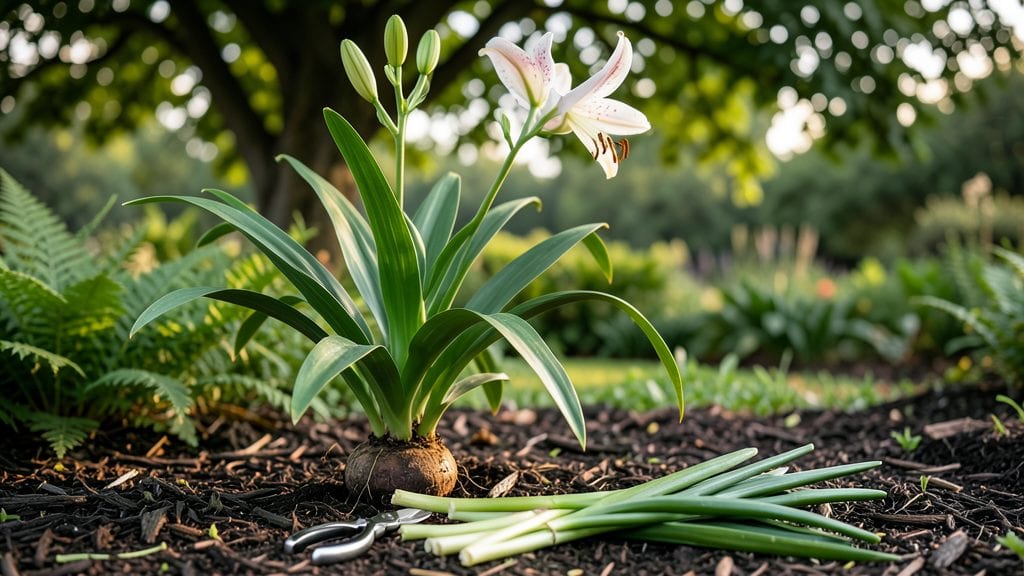
Pruning lily plants transforms a tired-looking clump into a powerhouse of next year’s blooms—just three strategic cuts make all the difference. 🌱 I’ve been pruning lilies for years, and the difference between a plant that fades by midsummer and one that thrives until frost comes down to timing and technique.
Most gardeners wait too long, leaving stems that flop or rot, but done right, pruning turns your lilies into the showstopper of the garden.
The key is cutting at the right moments: right after blooms fade to redirect energy into bulbs, and again in late fall to clean up debris. You’ll need sharp pruners, gloves (lily stems can be prickly), and a little patience—no need for fancy tools, just clean cuts.
Asiatic lilies need aggressive pruning, while Oriental varieties benefit from a gentler touch. I’ve even revived lilies that looked dead by following these steps, and the results speak for themselves: thicker stems, more buds, and blooms that last.
By the time spring rolls around, you’ll see new shoots pushing through soil that’s rich from last year’s pruned stems left in place. The foliage stays lush longer, the blooms arrive earlier, and your lilies become the garden’s star attraction.
This isn’t just about tidying up—it’s about setting your plants up for a season of effortless beauty. Let’s get those pruners ready and turn your lilies into next year’s highlight.
Works for all lily varieties, from classic Stargazers to bold Asiatics, and adapts to containers or garden beds alike. The same principles apply whether you’re pruning a single plant or a whole border—just scale the cuts. Here’s how to do it without a single guess.
📚 In This Guide
- What you need
- Instructions
- Tips and common mistakes
- Wrapping up and next steps
What you need
- ● Pruning shears or secateurs: Sharp, clean, and sterilized (bypass pruners work best for clean cuts). Size: 5–7 inches for most lilies.
- ● Garden gloves: Heavy-duty, cut-resistant (to protect hands from thorns and sap). Quantity: 1 pair.
- ● Disinfectant (rubbing alcohol or bleach solution): 1 part bleach to 9 parts water (to sterilize tools between cuts).
- ○ Garden twine or plant ties: Optional but helpful for securing stems post-pruning (if needed). Length: 12–18 inches.
- ● Trash bag or compost bin: For disposing of pruned stems and foliage.
- ● Watering can or hose: To hydrate plants before and after pruning.
- ● Hand pruners (smaller than secateurs): For tight spaces or delicate stems.
- ● Knee pads: If you’re pruning larger patches or have joint concerns.
- ● Plant food or fertilizer: Balanced 10-10-10 or bloom booster to revitalize lilies post-pruning.
- ● Mulch: Organic (straw, shredded leaves) to protect the base after pruning.
Step-by-step instructions for pruning lily plants
Here’s how to refresh your lilies with just three straightforward cuts—no guesswork, no overcomplicating it.
✂️ Step 1: Remove Spent Blooms and Seed Pods
Start by pinching off any faded blooms as soon as they wilt. This prevents the plant from wasting energy on seed production, redirecting it toward next year’s buds instead. Use clean, sharp pruners to snip the stem just above a leaf node or where the bloom stem meets the main stalk.
Watch for those unsightly seed pods forming—they’re a sure sign the plant’s energy is being diverted. Cut them off at the base, and you’ll encourage stronger, more abundant blooms later in the season. I always do this within 24 hours of a bloom wilting to keep the plant focused on growth.
✂️ Step 2: Trim Back Foliage After Blooming
Once the blooming season winds down—usually in late summer or early fall—cut back the foliage to about half its height. This might sound drastic, but lilies store energy in their bulbs, and removing the above-ground growth helps them recharge for next year. Use your pruners to make clean cuts about 2-3 inches above the ground.
Don’t worry if the plant looks a little bare afterward. The roots and bulb are still hard at work, and this step actually prevents disease by improving airflow. I’ve seen lilies bounce back beautifully after this cut—just give them a little time to recover before winter.
✂️ Step 3: Cut Back Dead or Damaged Stems in Early Spring
In early spring, before new growth appears, inspect your lilies for any stems that are brown, mushy, or clearly dead. These are prime candidates for removal. Cut them at the base with your pruners, making sure to leave healthy stems untouched. This is your chance to tidy up and make room for fresh growth.
You’ll know you’re on the right track when you see new shoots emerging from the ground within 2-3 weeks. These are your lilies’ way of telling you they’re ready for another season of blooms. Avoid cutting into healthy stems—just focus on the ones that are clearly past their prime.
🌱 Step 4: Optional Light Pruning for Airflow (Mid-Season)
If your lilies are particularly crowded or have stems rubbing together, give them a light trim in mid-summer. This isn’t about removing blooms but rather about improving airflow to prevent fungal issues. Snip any stems that are crossing or touching each other, and thin out overly dense clusters.
This step is all about prevention. Healthy lilies with good airflow are less likely to develop mildew or rot. I usually do this on a dry, sunny day when the plants are already well-hydrated—it just keeps everything in check without stressing the plant.
Tips & tricks for perfect lily plant pruning
These simple strategies will help you keep your lilies thriving with minimal effort—no gardening degree required.
The 24-Hour Rule: I learned this the hard way after leaving wilted blooms too long—the plant wastes precious energy on seed production instead of storing it for next year's blooms. That 24-hour window after wilting is crucial. Set a reminder on your phone if needed, because once those seed pods start forming, you've lost valuable growth energy.
Clean Cuts Are Key: Always use sharp, clean pruners to make precise cuts just above leaf nodes or at the base of stems. Dull tools crush stems and create entry points for disease. I sterilize my pruners with rubbing alcohol between cuts on different plants—this prevents spreading any potential infections. The cleaner your cuts, the healthier your lilies will be.
Timing Your Trim: The early spring cleanup (Step 3) is your chance to give your lilies a fresh start. Look for those telltale brown, mushy stems—they're clearly past their prime. The 2-3 week window for new shoots to appear gives you a clear benchmark. If you don't see new growth within that time, you might have cut too aggressively.
Preventative Pruning: That optional mid-season trim (Step 4) might seem like extra work, but it's actually insurance against fungal issues. I treat it like a quick health check—just 5 minutes to snip crossing stems and thin dense clusters. The payoff? Fewer mildew problems and plants that look like they've been professionally tended. Plus, it's satisfying to see that improved airflow in action.
Pro Tips for Pruning Lily Plants
- These simple strategies will help you keep your lilies thriving with minimal effort—no gardening degree required.
- The 24-Hour Rule: I learned this the hard way after leaving wilted blooms too long—the plant wastes precious energy on seed production instead of storing it for next year's blooms.
- Clean Cuts Are Key: Always use sharp, clean pruners to make precise cuts just above leaf nodes or at the base of stems.
Frequently asked questions
Got questions about pruning lilies? You’re not alone! Here are answers to the most common concerns—so you can confidently trim your plants for healthier blooms and stronger stems.
When is the best time to prune lily plants?
Prune lilies after they’ve finished blooming (late summer to early fall) to allow energy to store in the bulbs for next year. Avoid cutting back too early—wait until foliage turns yellow or brown. For hardy lilies, a light trim in early spring (before new growth) can also help.
Should I cut lilies all the way to the ground?
No! Cutting too aggressively can stress the plant. Instead, trim dead or damaged leaves down to the base, but leave about half the foliage intact until it naturally yellows. This ensures the bulb stores enough energy for next season’s blooms.
What if my lilies don’t bloom after pruning?
Lilies need 6-8 hours of sunlight and well-draining soil to bloom. If they’re not flowering, check for:
- Overcrowded bulbs (dig up and divide clumps every 3-4 years).
- Poor soil nutrients (add compost or a balanced fertilizer in early spring).
- Pests/disease (inspect leaves for spots or chewed edges).
Can I prune lilies in containers differently?
Yes! Container lilies follow the same rules, but since roots are confined, prune more carefully to avoid over-trimming. After blooming, cut back foliage to 3-4 inches tall and refresh the soil with compost. Repot every 2-3 years to prevent bulb rot.
What if I prune at the wrong time?
Mistakes happen! If you prune too early (before blooming), the plant may struggle to rebloom. If you cut too late (after foliage dies back), the bulb won’t store enough nutrients. Next time, aim for post-bloom but pre-yellowing—and don’t stress, lilies are forgiving!
Wrapping up and next steps
Pruning your lily plants doesn’t have to be intimidating—just a few strategic cuts can transform their health and blooms! 🌸 By removing dead stems, thinning crowded foliage, and shaping for airflow, you’re giving your lilies the fresh start they deserve.
With the right tools and timing, you’ll enjoy vibrant blooms and stronger growth next season.
Ready to see the difference? Grab your pruners and start clipping—your lilies will thank you! For even more tips, check out our guide on lily care to keep those flowers thriving all year.