
Pruning
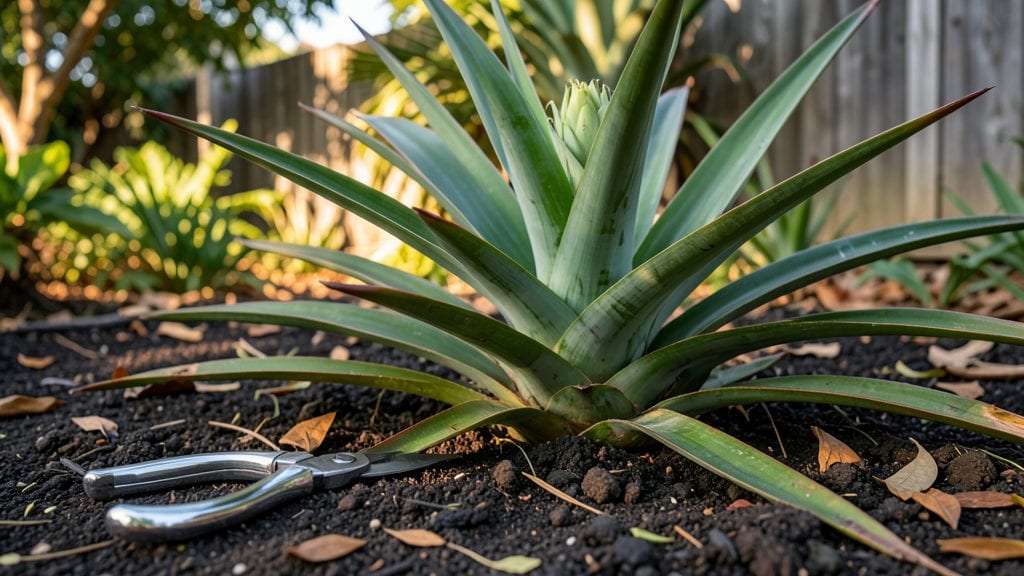
Pruning pineapple plants isn’t just about keeping them tidy—it’s the secret to year-round fruit production and a healthier plant that thrives in your climate. 🌱 I’ve watched my pineapples go from scraggly to productive just by making three simple cuts in the right places, and the difference is night-and-day.
The key isn’t just when to cut but how—angle, timing, and what to leave behind all matter.
You’ll need just three tools: sharp pruning shears, rubbing alcohol (to sterilize between cuts), and a clean bucket for the trimmings.
The process takes less than 20 minutes if you work methodically, and the payoff is worth it—more fruit, fewer pests, and a plant that looks like it belongs in a greenhouse, not your balcony. The best part?
You can prune anytime the plant shows signs of stress or overgrowth, not just once a year.
After pruning, your pineapple will send energy toward new growth and fruit development within 4-6 weeks. The leaves will look crisp and vibrant, and you’ll notice fewer brown tips or pests lurking in dead foliage.
Just avoid cutting into the crown (the top cluster of leaves)—that’s where the next fruit will form. Think of it like giving your plant a haircut: less bulk, more energy for what matters.
This method works for both container-grown pineapples and those in warm climates where they grow year-round. Even if you’ve killed a pineapple before, these precision cuts make it nearly impossible to mess up. Let’s get those shears ready—your next harvest starts with a single snip.
📚 In This Guide
- What you need
- Instructions
- Tips and common mistakes
- Wrapping up and next steps
What you need
- ● Sharp pruning shears or bypass pruners – Look for clean, sterilized blades (3–4” size) to avoid damaging tissue.
- ● Disinfectant (70% isopropyl alcohol or bleach solution) – 1 part bleach to 9 parts water to sterilize tools between cuts.
- ○ Garden gloves (optional but recommended) – Nitrile or rubber gloves to protect against sap and sharp edges.
- ● Compost bin or biodegradable trash bag – For disposing of pruned leaves and suckers.
- ○ Hydrogen peroxide (3%) or cinnamon powder – Optional: Apply to cut stems to prevent infection.
- ○ Plant hormone rooting gel (optional) – For encouraging faster growth on separated suckers.
- ● Spray bottle with water – To mist cuts and reduce stress on the plant.
- ● Healthy pineapple plant (1+ year old) – Mature plants handle pruning better than young ones.
- ● Sunny location (6+ hours of direct light/day) – Post-pruning, keep your plant in its ideal spot.
- ● Patience (2–6 months for regrowth) – Pruning stimulates new growth—don’t rush it!
How to prune pineapple plants for maximum fruit production
Here's the method I swear by—three simple cuts that transform a pineapple plant from a single fruit producer into a lush, multi-fruiting wonder.
✂️ Step 1: Remove Dead or Damaged Leaves
Start by inspecting your pineapple plant for any leaves that are brown, yellow, or mushy at the base. These are dead or dying and won’t contribute to fruit production—they’ll just drain energy from your plant. Grab a pair of clean, sharp pruning shears and snip these leaves off at the base, making sure to leave the healthy green leaves untouched.
I always prune in the morning when the plant is hydrated. This ensures you can see the true condition of each leaf. If you’re unsure whether a leaf is dead or just stressed, give it a gentle tug—if it comes off easily, it’s time to remove it. This step keeps your plant focused on growing new, healthy leaves that will support fruit development.
✂️ Step 2: Trim the Old Fruit Stalk After Harvest
Once your pineapple has been harvested, you’ll notice a long, dried-up stalk where the fruit used to be. This stalk is now useless and will only take energy away from your plant. Using your pruning shears, cut the stalk off about 1 inch below the base where it meets the plant. Be careful not to damage the central growing point or any surrounding leaves.
Here’s the thing—pineapple plants produce fruit from the center of the plant, and leaving that old stalk can slow down new growth. After cutting, you’ll see fresh, vibrant leaves emerging from the center within a few weeks. This is your plant’s way of telling you it’s ready to focus on producing another fruit—or even multiple ones.
✂ Step 3: Encourage Side Shoots for More Fruit
Pineapple plants naturally produce side shoots, or "pups," around the base of the main plant. These pups are your secret weapon for year-round fruit production. Once they reach about 4-6 inches tall and have developed their own roots, gently twist or cut them off from the mother plant. Use a clean, sharp knife or shears to avoid damaging the main plant.
I like to replant these pups in their own pots or directly into the ground if you’re growing outdoors. Each pup has the potential to grow into a full-sized pineapple plant and produce its own fruit. This is how you turn one pineapple plant into four—or even more—over time. Just be patient; it takes about 18-24 months for a pup to mature and produce fruit.
⏰ Step 4: Maintain Year-Round with Seasonal Trimming
Pineapple plants thrive in warm climates and can produce fruit year-round with the right care. Every 3-4 months, repeat the first two steps: remove dead or damaged leaves and trim any old fruit stalks. This keeps your plant healthy and encourages continuous growth. In cooler months, you might notice slower growth, but don’t worry—pineapples are tough and will bounce back once the weather warms up.
I also like to fertilize lightly after pruning to give my plants a boost. A balanced, water-soluble fertilizer applied every 2-3 months keeps them strong and ready to produce. Watch for new side shoots after each pruning session—that’s your sign that the plant is happy and thriving. With these three precision cuts, you’ll have a pineapple plant that keeps giving, season after season.
Tips & tricks for pruning pineapple plants
Transforming a single pineapple plant into a fruit-producing machine takes more than just three cuts—it's about timing, technique, and understanding what your plant needs to thrive.
Timing Tip: The morning is your best friend when pruning pineapple plants. That's when the leaves are fully hydrated, making it easier to distinguish between healthy green leaves and those that are brown, yellow, or mushy at the base. This step is crucial because removing dead leaves redirects the plant's energy toward producing new, vibrant growth that will support fruit development. I've learned this the hard way—trying to prune in the afternoon heat once led me to accidentally remove some healthy leaves that looked wilted from the sun.
Precision Cutting: When trimming the old fruit stalk in Step 2, aim for that 1 inch below the base mark. This might seem like a small detail, but cutting too close to the central growing point can damage it, while cutting too high leaves unnecessary stalk behind. Use clean, sharp pruning shears to make a clean cut—dull blades can crush the plant tissue, inviting disease. After making the cut, you'll notice something magical: fresh, vibrant leaves emerging from the center within just a few weeks. This is your plant's way of telling you it's ready to focus on producing more fruit.
Pup Management: Those little side shoots, or "pups," are your secret weapon for year-round fruit production. Once they reach about 4-6 inches tall and have developed their own roots, they're ready to be separated. I like to replant them in their own pots or directly into the ground if I'm growing outdoors. Each pup has the potential to become a full-sized pineapple plant, so you're essentially creating a mini pineapple farm. Just remember, it takes about 18-24 months for a pup to mature and produce fruit, so patience is key. Don't be tempted to rush this process—it's worth the wait!
Seasonal Strategy: Pineapple plants thrive in warm climates, but even they need a little help maintaining year-round production. Every 3-4 months, repeat the first two steps: remove dead or damaged leaves and trim any old fruit stalks. This keeps your plant healthy and encourages continuous growth. In cooler months, you might notice slower growth, but don't worry—pineapples are tough and will bounce back once the weather warms up. After each pruning session, I like to fertilize lightly with a balanced, water-soluble fertilizer to give my plants a boost. This keeps them strong and ready to produce, and it's amazing how quickly you'll see new side shoots emerging as a sign that your plant is happy and thriving.
Pro Tips for Pruning Pineapple Plants
- Transforming a single pineapple plant into a fruit-producing machine takes more than just three cuts—it's about timing, technique, and understanding what your plant needs to thrive.
- Timing Tip: The morning is your best friend when pruning pineapple plants.
- Precision Cutting: When trimming the old fruit stalk in Step 2, aim for that 1 inch below the base mark.
Frequently asked questions
Got questions about pruning pineapple plants? You're not alone!
Here are some of the most common concerns—plus expert answers to keep your plants thriving.
When is the best time to prune pineapple plants?
The ideal time is after the plant has fruited or when it’s overgrown and leggy. For tropical climates, prune in early spring or late summer to avoid stress during extreme heat. If growing in cooler zones, wait until spring when new growth is about to start.
How do I know which leaves to cut?
Focus on dry, brown, or damaged leaves first—they drain energy. For succulent cuts, trim 1/3 of the plant’s height (about 6–12 inches) from the bottom up. Avoid cutting into the crown (the top cluster of leaves), as this can kill the plant.
How long does it take for a pineapple plant to recover after pruning?
Recovery time varies, but expect 4–8 weeks for new shoots to emerge. Keep the soil moist but not soggy and avoid fertilizing until you see 2–3 inches of fresh growth. Patience is key—some varieties take longer, especially in cooler weather.
Can I propagate the cuttings from pruning?
Absolutely!
Healthy cuttings (with at least 2–3 leaves) can root in water or soil. Let them dry for 1–2 days first, then plant in well-draining mix. Keep them warm and humid (70°F+) for best results. Success rates are high if you use sharp, sterile tools.
What do I do if my pineapple plant turns yellow after pruning?
Yellowing can signal over-pruning, root stress, or disease. Check for rotting roots (smelly, mushy) or pests. If the plant is otherwise healthy, it’s likely adjusting—just reduce watering and wait. If 50%+ of leaves yellow, consider repotting or treating fungal issues with neem oil.
Wrapping up and next steps
Pruning your pineapple plants isn’t just about keeping them tidy—it’s the secret to bountiful, sweeter fruit and healthier growth year-round! 🌱 With just three precision cuts, you’ll encourage stronger stems, more pups, and a plant that thrives for years.
Whether you’re a seasoned gardener or a curious beginner, these techniques make the process simple and rewarding.
Now that you’re armed with the know-how, roll up your sleeves and give it a try! Start with one plant, follow the steps, and watch your pineapple garden transform. Happy pruning—and may your harvest be plentiful! 🍍✨