
Pruning
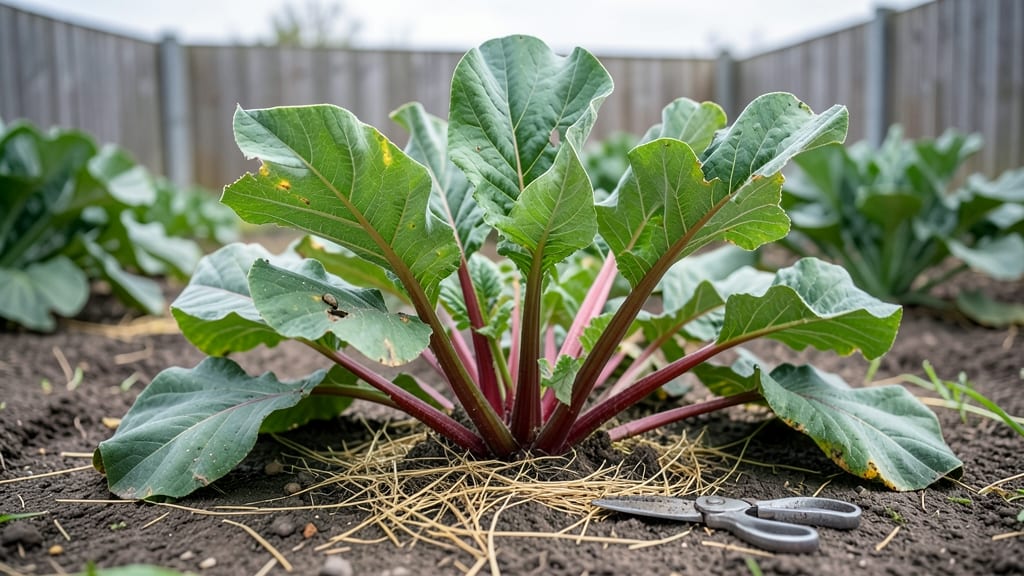
Pruning rhubarb plants in early spring is the secret to bigger, sweeter stems all season. ✨ I’ve learned the hard way—skipping this step means smaller harvests and leggy plants by summer. The right cuts encourage thick, juicy stalks while keeping the plant healthy.
You’ll need sharp pruners, gloves, and a sunny morning when new growth is just peeking above the soil. Cut stems about an inch above the ground, leaving the crown intact. This isn’t about trimming for shape—it’s about stimulating fresh, vigorous growth from the center.
Within weeks, you’ll see plump, vibrant stalks shooting up, ready for harvest. The plant rewards patience with bold, ruby-red stems that outshine anything from the store. Just avoid cutting into the crown or you’ll stunt future growth for the whole season.
Works in zones 3-9 and adapts to both in-ground beds and containers. Now grab those pruners—your rhubarb patch is about to transform!
📚 In This Guide
- What you need
- Instructions
- Tips and common mistakes
- Wrapping up and next steps
What you need
- ● Sharp pruning shears or secateurs: A pair with bypass blades (for clean cuts) and a comfort grip (to reduce hand fatigue). Disinfect with rubbing alcohol before and after use to prevent disease spread. Quantity: 1 pair.
- ● Garden gloves: Heavy-duty, nitrile-coated gloves to protect against thorns and blisters. Quantity: 1 pair.
- ● Disinfectant solution: A mix of 1 part bleach to 9 parts water (or a commercial garden disinfectant) to sterilize tools and cuts. Quantity: Small spray bottle or container.
- ● Garden twine or string: 10-15 feet of jute or nylon twine (for staking, if needed).
- ● Compost bin or bucket: A 5-gallon bucket or designated bin to collect pruned stems and debris.
- ● Watering can or hose: With a gentle spray nozzle to hydrate plants post-pruning.
- ● Pruning saw: For larger, woody stalks that shears can’t handle. Quantity: 1.
- ● Plant marker or tags: To label rhubarb varieties if you have multiple types. Quantity: As needed.
- ● Mulch (straw or shredded leaves): 2-3 inches to protect the crown after pruning.
- ● Knee pad or stool: For comfort if your rhubarb patch is large or hard to reach.
- ● Camera or phone: To document your progress (and flex on your gardening skills!).
How to prune rhubarb plants for maximum growth
Here’s my go-to method for keeping rhubarb vigorous and productive—no guesswork, just results.
✂️ Step 1: Wait for the Right Time to Prune
Never prune rhubarb until after the last frost when soil temperatures reach 50°F or warmer. I wait until mid-April in my zone, watching for new shoots to emerge from the crown—those are your signal to act. Pruning too early stresses the plant and weakens next year’s harvest.
If you prune in fall, you risk exposing the crown to winter cold, which can damage the plant’s heart. Instead, focus on removing dead or diseased stalks in early spring before new growth begins. You’ll know it’s time when the ground thaws and the first green spears push through the soil.
✂️ Step 2: Remove All Dead or Diseased Stalks First
Start by cutting out any stalks that look mushy, blackened, or hollow—these are signs of rot or disease. Use clean, sharp pruners to slice at the base, about ¼ inch above the soil line. This prevents spreading pathogens to healthy parts of the plant.
I also remove any stalks that are smaller than a pencil in diameter—they won’t produce well and can crowd the crown. Toss these in the trash, not the compost, since diseased material can reinfect your garden. After clearing out the bad stalks, you’ll notice the remaining plant looks more open and healthy.
✂️ Step 3: Cut Back Last Year’s Stalks to the Ground
Once the plant is clear of dead or weak growth, it’s time to remove last year’s stalks. These are the thick, woody stems that have already produced. Cut them down to the soil level using your pruners, being careful not to damage the crown below.
This step is crucial because old stalks compete with new growth for energy. You’ll see fresh, bright green shoots emerging from the center of the plant within days. If you leave old stalks, the plant wastes energy maintaining them instead of focusing on new, productive growth.
✂️ Step 4: Thin Crowded Stalks for Better Airflow
After removing old stalks, check for any remaining stalks that are too close together—aim for 3-4 inches of space between them. Cut the thinnest ones at the base to improve airflow and reduce disease risk. A well-spaced rhubarb plant produces larger, sweeter stalks.
I like to leave about 6-8 of the thickest, healthiest stalks per plant, depending on the plant’s size. This ensures the crown stays strong and doesn’t get overcrowded. You’ll notice the remaining stalks stand taller and straighter after thinning.
💧 Step 5: Water and Fertilize After Pruning
Give your rhubarb a deep watering right after pruning to help it recover. The soil should be moist 6 inches down—stick your finger in to check. Avoid overhead watering, as wet foliage can encourage fungal diseases.
Now’s also the time to feed your rhubarb. Sprinkle a ¼ cup of 10-10-10 fertilizer around the base, then water it in. This gives the plant a nutrient boost for the growing season ahead. You’ll see new growth within a week if everything’s right.
Tips & tricks for pruning rhubarb plants
Here's what nobody tells you about keeping your rhubarb thriving after pruning—these tricks make all the difference.
Soil Temperature Matters: That 50°F soil temperature isn't just a recommendation—it's critical. I've seen rhubarb plants shocked when pruned in colder soil, even when air temperatures seemed warm. Use a soil thermometer if you're unsure, especially in cooler climates. The plant's energy goes toward warming itself rather than growing when soil is cold, making pruning counterproductive.
Tool Tip: Don't just grab any pruners—use clean, sharp ones that cut cleanly without crushing the stalks. Dull blades can damage the plant and leave jagged edges that attract pests. I keep a dedicated pair of pruners for rhubarb, sanitized with rubbing alcohol after each use. This prevents cross-contamination between plants.
Visual Cues for Step 4: When thinning stalks in Step 4, look for stalks that are visibly thinner than a pencil or those growing at odd angles. These are your first candidates for removal. I also check for stalks that lean heavily toward one side—they're competing with others for sunlight and nutrients. After thinning, healthy stalks should stand upright like soldiers.
Fertilizer Timing: The ¼ cup of 10-10-10 fertilizer is just the beginning. For established plants, I split this into two applications: half right after pruning and the other half 6 weeks later. This two-step approach prevents nutrient overload while giving the plant a steady supply as new growth emerges. Water thoroughly after each application to help nutrients reach the roots.
Pro Tips for Pruning Rhubarb Plants
- Here's what nobody tells you about keeping your rhubarb thriving after pruning—these tricks make all the difference.
- Soil Temperature Matters: That 50°F soil temperature isn't just a recommendation—it's critical.
- Tool Tip: Don't just grab any pruners—use clean, sharp ones that cut cleanly without crushing the stalks.
Frequently asked questions
Got questions about pruning rhubarb? You’re not alone! Here are answers to the most common concerns—so you can keep your plants happy and productive.
When is the best time to prune rhubarb?
Prune rhubarb after harvest in early spring (March–April) or late summer (August–September). Avoid cutting in fall or winter, as the plant needs energy to store nutrients for next year. Focus on removing dead leaves and thinning crowded stalks to encourage fresh growth.
How do I prune rhubarb without killing the plant?
Never cut into the crown (the base where leaves meet the soil)—this is the plant’s heart. Instead, trim leaves and stalks above the soil line with clean, sharp shears. Leave 2–3 healthy leaves per stalk to photosynthesize and feed the plant.
Can I eat rhubarb after pruning?
Yes! Pruning actually encourages sweeter, more tender stalks. Harvest stems when they’re 10–12 inches tall, leaving the leaf attached to protect the stalk. Avoid over-harvesting—never take more than one-third of the stalks at a time.
What if my rhubarb plant looks sad after pruning?
Don’t worry! A "sad" look is normal post-prune. Keep the soil moist (but not soggy) and mulch around the base to retain moisture. Fertilize lightly with compost or balanced fertilizer in spring. New growth should appear in 2–3 weeks.
Do I need to prune rhubarb every year?
Yes! Annual pruning keeps plants healthy and productive. Focus on:
- Removing all dead or yellow leaves in early spring.
- Thinning crowded stalks to improve airflow (prevents disease).
- Cutting back leggy growth in late summer to rejuvenate the plant.
Wrapping up and next steps
Pruning rhubarb isn’t just about tidying up—it’s the secret to unlocking bigger, sweeter stems and a healthier plant for years to come! 🌱 By removing old stalks, thinning crowded crowns, and timing your cuts just right, you’re setting your rhubarb up for a burst of springtime growth.
Remember, patience and consistency are key; your efforts will pay off with a bountiful harvest.
Ready to transform your garden? Grab your pruners, mark your calendar for early spring, and give your rhubarb the care it deserves. Happy pruning—and here’s to a harvest that’ll make your neighbors jealous! 🌿✨