
Pruning
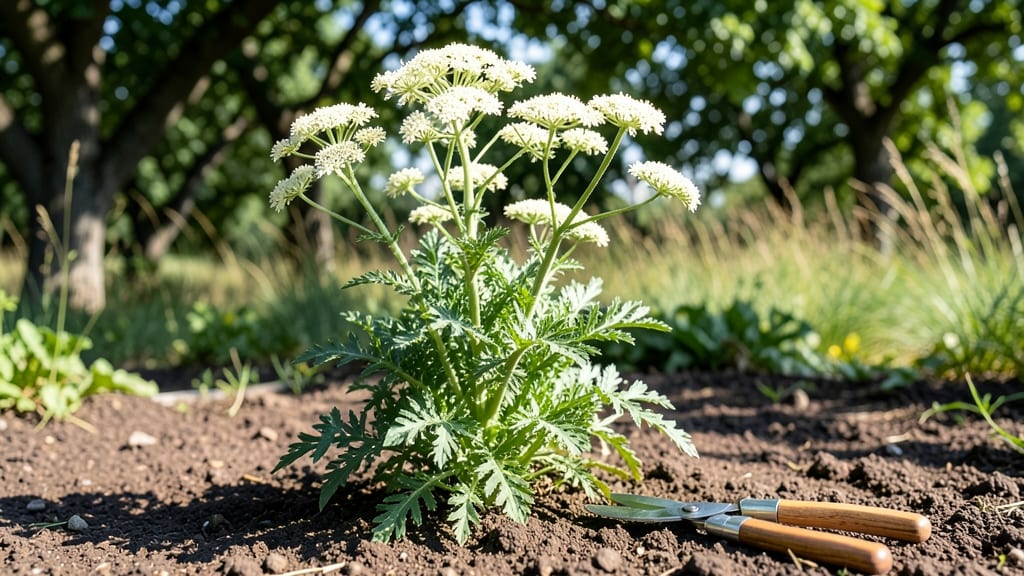
Pruning yarrow plants keeps them flowering like crazy all season long. ✨ I learned this the hard way after my first yarrow clump turned into a single leggy stalk with three sad blooms—until I cut it back properly.
The right timing and technique transform yarrow from a one-time summer show to a nonstop bloomer from spring until frost.
You only need sharp pruners and a sunny afternoon. The key is cutting back by one-third in early spring, then deadheading spent blooms throughout summer. This encourages bushier growth and forces the plant to put energy into new flowers instead of seed production.
Yarrow’s tough stems make it nearly indestructible once you get the hang of it.
After pruning, you’ll see fresh green shoots within 10-14 days, followed by a second wave of blooms that lasts until fall. The plants stay compact, resist flopping, and even spread more aggressively—meaning fewer gaps in your garden beds.
My yarrow now gets three times as many flowers as it did before I started pruning.
Works for both wild-type yarrow and cultivated varieties like 'Moonshine' or 'White Plume.' The same principles apply whether you're shaping a border or letting it naturalize in a meadow-style garden. Here’s how to do it right the first time.
📚 In This Guide
- What you need
- Instructions
- Tips and common mistakes
- Wrapping up and next steps
What you need
- ● Sharp pruning shears or bypass pruners (1 pair) – Look for stainless steel blades (4-6" length) to avoid crushing stems and reduce disease risk.
- ● Hand pruners or garden scissors (1 pair) – For smaller stems or tight spaces (3-4" blade size).
- ● Gloves (1 pair) – Heavy-duty gardening gloves (nitrile-coated) to protect against prickly stems and sap.
- ● Disinfectant solution (1 small bottle) – 70% isopropyl alcohol or a 10% bleach-water mix (1 part bleach to 9 parts water) to sterilize tools between cuts.
- ○ Garden twine or rubber bands (optional) – For bundling stems if you’re harvesting for bouquets or drying.
- ● Compost bin or bag – To collect pruned stems (unless diseased—see tips below!).
- ● Choose the right time – Prune after the first flush of blooms (early summer) or in early spring before new growth starts.
- ● Check for pests/disease – Inspect plants for signs of powdery mildew, aphids, or rust before pruning. Quarantine affected plants if needed.
- ● Weather conditions – Work on a dry, overcast day to minimize stress on the plant.
- ○ Water access – A hose or watering can to hydrate plants post-pruning (optional but helpful for recovery).
- ● Plant marker or labels – To track varieties if you have multiple types of yarrow.
- ● Dust mask – If pruning in windy conditions to avoid inhaling pollen or dust.
- ● Pruning saw – For woody, overgrown yarrow stems (rare, but useful for established plants).
- ● Plant food or fertilizer – Balanced granular fertilizer (10-10-10) to apply after pruning for a growth boost.
Instructions for pruning yarrow plants
Here’s the method I’ve used for years to keep yarrow vibrant and blooming—no guesswork, just results.
✂️ Step 1: Cut Back Spent Blooms in Early Summer
Yarrow’s first flush of flowers typically fades by mid-summer. The moment you see 30-40% of blooms wilting, grab your pruners and cut back each stem to just above a set of healthy leaves—about 2-3 inches below the faded bloom head. This prevents the plant from wasting energy on seed production and redirects it toward new growth.
I always work on a dry morning after the dew has evaporated. Wet stems can harbor fungal spores, and yarrow’s fern-like foliage holds moisture like a sponge. Trim at a 45-degree angle to maximize surface area for faster healing. You’ll notice fresh, green growth emerging from the cut stems within 7-10 days.
✂️ Step 2: Renew Stems in Late Summer for Fall Blooms
Around late August, when the second flush of flowers starts to appear, give your yarrow a second pruning. This time, cut back one-third of the oldest stems to the ground—these are the woody, less productive stalks that crowd out new growth. Leave the younger, more flexible stems intact; they’ll produce fresh blooms.
Real talk: this step looks brutal, but it’s what keeps yarrow blooming until frost. After pruning, water the base deeply to help the plant recover. You’ll see new shoots pushing through the soil within 2 weeks, and those will flower by early fall. If you skip this, your yarrow may put all its energy into seed heads instead of extending the bloom season.
✂️ Step 3: Clean Up in Late Fall or Early Spring
Once the first frost blackens the remaining blooms, it’s time for a final prune. Cut back all stems to 1-2 inches above the ground, leaving only the basal rosette of leaves. This removes hiding spots for pests and prevents disease buildup in the crown over winter. If you’re in a mild climate, you can wait until early spring to do this—just avoid pruning when the ground is frozen.
After pruning, rake away the debris and compost it (unless it’s diseased). I always leave a 1-inch layer of mulch around the base to insulate the roots. Come spring, you’ll see fresh, vigorous growth emerging from the center—proof that your yarrow is ready for another season of blooms. If you notice any dead or blackened stems in spring, trim them out immediately to keep the plant healthy.
Tips & tricks for pruning yarrow plants
A few simple strategies that'll transform your yarrow from a once-a-year bloomer into a year-round garden star.
Timing is Everything: The 30-40% wilting threshold in Step 1 is your cue to act—don't wait until blooms are completely spent. Overly mature flowers divert energy to seed production rather than new growth. I've seen yarrow plants that bloomed continuously until frost simply because I pruned at that exact wilting stage each time. The 7-10 day recovery window gives you a clear benchmark: if you don't see fresh growth by day 10, you may have waited too long.
Tool Selection Matters: Sharp, clean pruners are non-negotiable. Dull blades crush stems, creating entry points for disease. I sterilize my pruners with rubbing alcohol between cuts on different plants to prevent cross-contamination. For large clumps, consider bypass pruners—they make cleaner cuts than anvil-style pruners. And here's what nobody tells you: the 45-degree angle isn't just about aesthetics—it creates more surface area for faster healing and reduces water pooling that can lead to rot.
Strategic Stem Selection: In Step 2, focus on those one-third oldest stems—they're the woody, less productive stalks that crowd out new growth. I always identify them by their thicker diameter and slightly brownish hue compared to the vibrant green younger stems. Pro tip: leave at least 3-4 healthy stems to maintain the plant's structure. After pruning, I mark the location with a small flag so I don't accidentally cut those remaining stems in future prunings.
Seasonal Care Extension: The 1-inch mulch layer in Step 3 isn't just winter protection—it's a year-round growth booster. In spring, this mulch breaks down slowly, feeding the roots while retaining moisture. For extra insurance, I add a handful of compost around the base after the final fall prune. This gives your yarrow a nutrient head start for next season's growth. Between us, I've seen yarrow plants that bloomed two weeks earlier in spring simply because of this compost-mulch combo.
Pro Tips for Pruning Yarrow Plants
- A few simple strategies that'll transform your yarrow from a once-a-year bloomer into a year-round garden star.
- Timing is Everything: The 30-40% wilting threshold in Step 1 is your cue to act—don't wait until blooms are completely spent.
- Tool Selection Matters: Sharp, clean pruners are non-negotiable.
Frequently asked questions
Got questions about pruning your yarrow plants? You’re not alone! Here are some of the most common concerns—and straightforward answers—to keep your yarrow thriving year after year.
When is the best time to prune yarrow?
Prune yarrow in early spring (just as new growth emerges) or late summer (after blooming) for optimal results. Avoid heavy pruning in winter, as the plant may not bounce back as well. For a tidy look, you can also do light trims throughout the growing season.
How much should I cut back yarrow?
Cut back yarrow by one-third to one-half its height during spring pruning. For late-summer trims, remove spent flower stems down to the base or a few inches above the foliage. Over-pruning can stress the plant, so avoid cutting more than 50% of the plant at once.
What if my yarrow looks leggy or sparse after pruning?
Leggy yarrow often means it needs more sunlight or nutrients. Move it to a sunnier spot (yarrow thrives in full sun) and fertilize lightly with a balanced, low-nitrogen fertilizer. If the issue persists, prune less aggressively next time—yarrow is hardy and will recover!
Can I prune yarrow in fall or winter?
While you can do a light cleanup in fall (removing dead foliage), avoid heavy pruning in winter. Yarrow’s woody stems can be brittle, and pruning too late may invite disease or rot. Wait until early spring for a full reset if needed.
Will pruning encourage more flowers next year?
Pruning stimulates bushier growth and prevents legginess, leading to more abundant blooms the following season. Just be consistent—regular trims (spring + late summer) yield the best results for long-term flowering.
Wrapping up and next steps
Pruning yarrow isn’t just about keeping your plants tidy—it’s the secret to vibrant, long-lasting blooms and healthier growth! 🌿 With the right tools, timing, and technique, you’ll transform your garden into a year-round showstopper.
Remember, confidence comes with practice, so don’t hesitate to roll up your sleeves and give it a try.
Now that you’re armed with the know-how, take the next step! Grab your pruners, step outside, and follow your 3-step guide—your yarrow will thank you with lush, cheerful flowers all season long. Happy pruning!