
Pests
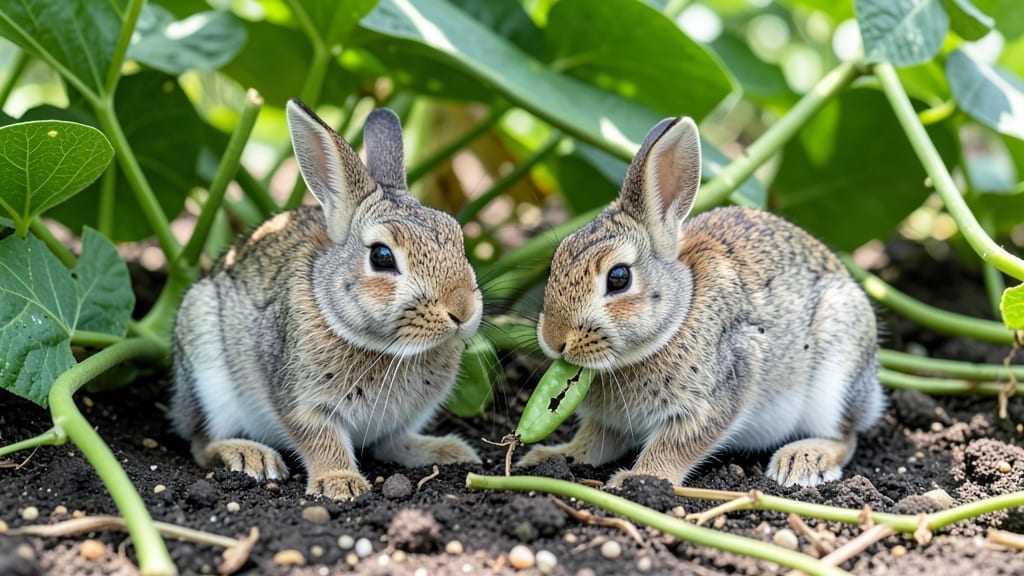
Rabbits can eat bean plants like green beans and snap peas, but certain varieties—including raw kidney beans and broad beans—pose toxicity risks due to harmful compounds. Always test small portions first and monitor for adverse reactions.
Bean plants offer rabbits valuable nutrients, but not all are safe. 🌱 Fresh green beans and snap peas are generally rabbit-friendly, while dried or raw beans (like kidney or broad beans) contain lectins that can cause digestive upset or poisoning.
The key is preparation—cooked beans are safer than raw, but always introduce them slowly to gauge your rabbit's tolerance.
For gardeners, this means strategically planting safe alternatives like clover, alfalfa, or dandelion greens alongside beans. These provide similar protein benefits without the risks. I recommend rotating crops seasonally to maintain a balanced diet while keeping your rabbits happy and healthy.
💡 In This Article
- Toxicity Risks of Bean Plants for Rabbits
- Safe Bean Alternatives for Rabbit Gardens
Toxicity risks of bean plants for rabbits
Certain bean plants contain natural compounds that can harm rabbits when consumed raw or in excess. Raw kidney beans and broad beans are particularly dangerous because they contain lectins—proteins that bind to intestinal walls, disrupting nutrient absorption and causing severe digestive distress.
These lectins aren't destroyed by cooking, but proper preparation (soaking and boiling) significantly reduces their toxicity. Broad beans also contain cyanogenic glycosides, which release cyanide during digestion—a silent but deadly threat in large quantities. 🔥
The key difference lies in the plant's preparation and variety. Green beans and snap peas are safe because their lectin levels are negligible when fresh. However, dried beans (like pinto or black beans) must be fully cooked to break down harmful compounds.
Even then, rabbits should only receive small portions—about 1-2 tablespoons per 5 pounds of body weight—as a treat, not a staple. The rabbit's digestive system is highly sensitive to sudden dietary changes, making gradual introduction essential.
Symptoms of poisoning appear within 6-24 hours and include vomiting, diarrhea (often with blood), lethargy, and loss of appetite. In severe cases, rabbits may experience seizures or respiratory distress. The most vulnerable groups are young rabbits or those with pre-existing health conditions.
What most people don't realize is that even "safe" beans can cause issues if fed in large amounts—the high fiber content can lead to gastric stasis, a life-threatening condition where the digestive system slows to a halt. 💛
Comparing safe vs. unsafe varieties reveals a clear pattern: legumes with smooth, thin pods (like green beans) are generally safe, while those with thick, woody pods or seeds (like kidney beans) pose higher risks. The pod's texture isn't just about taste—it's an indicator of the plant's chemical composition.
For example, lima beans contain swainsonine, a neurotoxin that can cause neurological symptoms in rabbits. Always research before offering new plants, and when in doubt, consult a rabbit-savvy veterinarian.
Here's what's actually happening in your rabbit's body when they ingest unsafe beans: The lectins bind to the intestinal lining, creating microscopic holes that allow bacteria to enter the bloodstream—a condition called leaky gut syndrome. This triggers an immune response, leading to inflammation and the symptoms you'd notice.
The rabbit's gut flora, which normally helps digest fiber, becomes disrupted, further exacerbating the problem. This is why even small amounts can have outsized effects on their delicate systems. ✨
To minimize risks, always wash bean plants thoroughly to remove pesticides or soil contaminants, which can compound digestive issues. If you're growing beans in your garden, consider planting a separate patch of rabbit-safe alternatives like alfalfa sprouts or pea shoots nearby.
These provide similar protein benefits without the toxicity concerns. The key is variety—just as you'd diversify your own diet, rabbits thrive on a mix of safe, nutrient-rich plants. 🌟
Remember: A rabbit's diet should be 80% hay, with fresh vegetables making up the remaining 20%. Beans, even safe varieties, should only occupy a tiny fraction of that vegetable portion—think 1-2 teaspoons per meal at most.
This approach ensures your rabbit gets the benefits without the risks, keeping them healthy and happy for years to come. 💫