
Pests
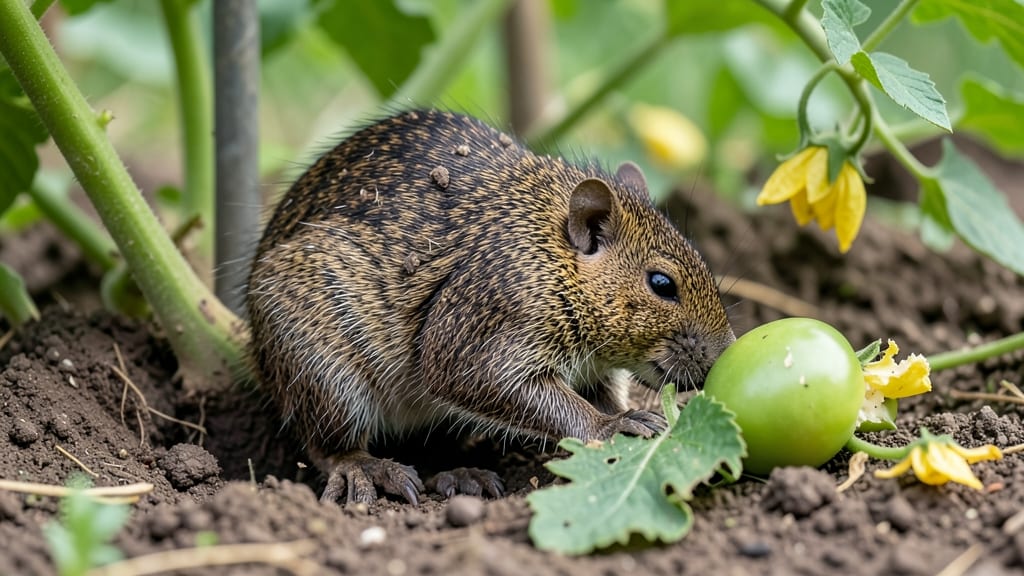
Yes, gophers eat tomato plants, chewing through stems, leaves, and even roots. This destruction can stunt growth, kill young seedlings, and their burrowing habits further destabilize soil and plant health.
Gophers love tender tomato plants because they’re packed with moisture and nutrients, making them an easy snack. 🔥 Their underground tunnels don’t just damage roots—they also compact soil, cutting off oxygen and water flow to your tomatoes.
I’ve seen entire rows of seedlings collapse overnight after gopher activity, so prevention is key if you’re growing tomatoes in areas where these pests thrive.
These rodents prefer soft plant matter, and tomato leaves and stems are particularly vulnerable. The real damage comes from their burrowing, which can uproot plants or create unstable soil conditions. If you’ve noticed your tomato plants wilting or dying without clear signs of disease, gophers might be the culprit.
💡 In This Article
- Why Gophers Target Tomato Plants in Gardens
- Natural and Chemical Deterrents for Gopher-Proof Tomato Gardens
Why gophers target tomato plants in gardens
Gophers are drawn to tomato plants primarily because of their high moisture and nutrient content. These rodents have a diet consisting of 60-80% plant matter, favoring tender shoots, leaves, and roots that are rich in carbohydrates and proteins.
Tomato stems contain 15-20% water content, making them particularly appealing compared to drier garden plants. The soft, succulent nature of tomato foliage requires minimal chewing effort for gophers to consume, which aligns perfectly with their efficient foraging habits.
The real damage begins underground, where gopher burrows create a network of tunnels that disrupt tomato root systems. A single gopher can excavate up to 100 feet of tunnels per month, compacting soil and severing root connections.
This compaction reduces soil porosity by 30-50%, restricting water and oxygen flow to roots. The result? Tomato plants experience nutrient starvation and hydration stress, leading to stunted growth or complete collapse of seedlings.
What makes tomatoes especially vulnerable is their shallow root system. Unlike deep-rooted plants like carrots or potatoes, tomato roots typically extend only 12-18 inches deep and spread horizontally. When gophers tunnel at these depths, they can uproot entire plants or create unstable soil pockets that topple young stems.
The physical disruption from burrowing often causes more damage than the actual plant consumption.
Gopher activity also accelerates soil degradation through nutrient depletion. As they consume plant matter, they leave behind nitrogen-poor soil that lacks essential micronutrients like potassium and phosphorus.
Studies show that gopher-damaged areas can lose up to 40% of their organic matter within a growing season, creating a barren environment where tomatoes struggle to establish themselves. The combination of physical destruction and nutrient loss creates a perfect storm for gardeners.
Here's what's actually happening in your garden: Gophers don't just nibble—they create a cascading effect. First, they consume the most tender parts (new growth and leaves), then their burrowing disrupts the root system, and finally, the soil compaction creates an inhospitable environment.
The result is often visible wilting or sudden plant death that appears overnight. 💫
Interestingly, gophers also target tomato plants because they're often planted in loose, well-drained soil—ideal for their burrowing habits. Unlike dense clay soils, garden beds amended with compost or sand provide the perfect texture for gopher excavation. This makes vegetable gardens particularly attractive to these pests compared to wild, undisturbed areas.