
Diseases
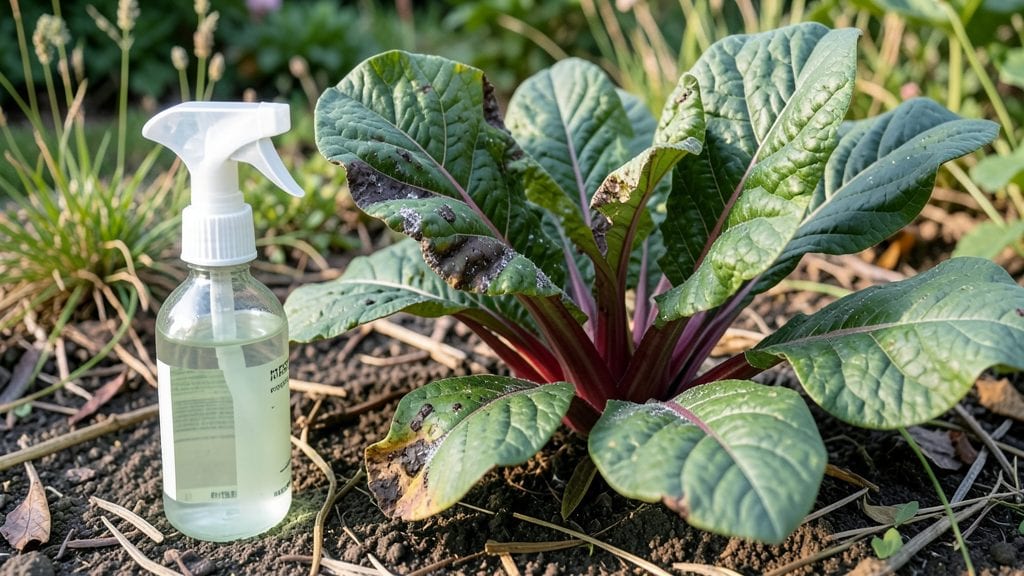
Spotting rhubarb plant diseases early can save your entire harvest—rusty leaves, blackened crowns, or yellow spots aren’t just cosmetic problems. 🌱 I’ve watched crown rot turn a thriving patch into a sad, mushy mess in just weeks, but the right approach stops it dead.
The key is knowing what to look for before the damage spreads beyond saving.
Most issues start with the leaves—rust shows up as orange pustules, while leaf spot creates dark, water-soaked patches that multiply when conditions stay damp. Crown rot, though, is the silent killer, rotting the base while the plant still looks green above ground.
The good news? Organic sprays like neem oil or copper fungicide work wonders when caught early, and simple prevention—like proper spacing and mulching—keeps most diseases from taking hold.
📚 In This Guide
- What you need
- Instructions
- Tips and common mistakes
- Wrapping up and next steps
What you need
- ● Pruning shears – Sharp, clean, and sterilized (70% isopropyl alcohol works great!). Quantity: 1 pair.
- ● Gloves – Heavy-duty, waterproof gloves to protect your hands from sap and soil. Quantity: 1 pair.
- ● Disposable spray bottles – For applying fungicides or homemade remedies. Quantity: 2-3 (16 oz each).
- ● Fungicide – Copper-based or neem oil-based fungicide (follow label instructions for dilution). Quantity: 1 bottle (16-32 oz).
- ● Garden trowel – For digging and inspecting roots. Quantity: 1.
- ● Plastic bags or containers – For disposing of infected plant parts. Quantity: 5-10.
- ○ Magnifying glass (optional) – Helps spot tiny symptoms like powdery mildew or rust spores. Quantity: 1.
- ● pH test kit – To check soil acidity (ideal range: 6.0-6.8 for rhubarb). Quantity: 1.
- ● Field guide or smartphone app – For identifying diseases (e.g., PlantNet or iNaturalist).
- ● Rubbing alcohol (70% or higher) – For sterilizing tools between uses. Quantity: Small bottle.
- ● Compost bin or trash bin – For safely disposing of diseased plant debris. Note: Do not compost infected material!
- ● Mulch (straw or wood chips) – To improve soil health and prevent splash dispersal of pathogens. Quantity: 2-3 bags.
How to identify and treat common rhubarb plant diseases
Here's how I spot and stop rhubarb diseases before they wreck your harvest.
🌿 Step 1: Learn the 3 Most Common Rhubarb Diseases
Rhubarb crown rot, leaf spot, and rust are the big three. Crown rot starts as yellowing leaves and mushy stems—it's a fungus hiding in the soil. Leaf spot shows as brown spots with yellow halos on foliage, while rust creates orange pustules on undersides of leaves. I check plants weekly after rain, since moisture fuels these infections.
Don't wait until you see symptoms to act. Healthy rhubarb has crisp green leaves and firm stems. If you spot any discoloration, isolate that plant immediately. The key is catching issues early—once diseases spread to multiple plants, they're nearly impossible to eradicate.
💧 Step 2: Adjust Watering to Prevent Fungal Spread
Rhubarb needs consistent moisture but hates soggy soil. Water at the base in the morning so leaves dry completely by evening. I use a soaker hose to keep foliage dry—wet leaves are disease magnets. Space plants 3 feet apart for airflow, which prevents humidity buildup between plants.
If your soil drains poorly, amend it with 2-3 inches of compost before planting. Well-draining soil prevents waterlogging, which is how crown rot takes hold. Mulch with 2-3 inches of straw to keep soil temperature stable and reduce splash from rain onto leaves.
✂️ Step 3: Prune and Clean to Stop Disease Spread
Remove any diseased leaves immediately using clean, sharp pruners. I dip tools in rubbing alcohol between cuts to prevent cross-contamination. Never compost infected plant material—burn or trash it instead. For leaf spot, cut out affected leaves ½ inch below the spot to ensure you remove the entire infection.
After pruning, sterilize your tools again. I keep a small bottle of 70% isopropyl alcohol in my gardening shed for quick disinfection. Strong airflow helps too—consider a small fan on low setting near plants during humid weather to dry foliage faster.
☀️ Step 4: Apply Organic Fungicides Preemptively
Neem oil or copper fungicide sprays work well for rhubarb. I mix 1 tablespoon neem oil per quart of water with a drop of dish soap as an emulsifier. Spray both leaf surfaces thoroughly, focusing on undersides where rust spores hide. Apply every 7-10 days during wet seasons or after heavy rain.
For existing infections, I alternate between neem oil and a baking soda solution (1 tablespoon baking soda + 1 teaspoon dish soap per gallon of water). Both are safe for edible plants when used correctly. Always spray in early morning so leaves dry completely before nightfall.
🪴 Step 5: Rotate Plant Locations and Inspect Crowns
Move rhubarb every 3-4 years to prevent soil-borne diseases from building up. Dig up the crown carefully, inspecting for soft, discolored areas that signal crown rot. Healthy crowns feel firm and have tight buds. If you find rot, discard the plant immediately—it won't recover.
When replanting, choose a spot with full sun to partial shade and well-draining soil. I always test soil pH first—rhubarb prefers 6.0-6.8. Amend acidic soil with lime if needed, as fungal diseases thrive in overly acidic conditions.
Tips & tricks for healthy rhubarb plants
Here's what I've learned after years of battling rhubarb diseases—these tricks keep my plants thriving season after season.
Early Detection is Everything: I inspect my rhubarb plants every 3-4 days during rainy seasons, focusing on the undersides of leaves where rust spores love to hide. Use a small hand lens if needed—rust appears as tiny orange pustules that look like someone sprinkled cinnamon on the leaves. The moment you spot anything unusual, isolate that plant immediately. I keep a small notebook by my garden gate to track which plants need monitoring.
Soil Science Matters: The 2-3 inches of compost recommendation isn't just about drainage—it's about creating the right microbial environment. I mix in 1/4 cup of garden lime per plant when I first notice yellowing leaves, as fungal diseases often thrive in acidic soils. Test your soil pH first—rhubarb prefers 6.0-6.8, and you can adjust with lime or sulfur accordingly. Healthy soil equals healthier plants that can resist infections better.
Pruning Like a Pro: When removing diseased leaves in Step 3, I make sure to cut ½ inch below the visible spot—this removes hidden fungal growth you can't see. I've learned the hard way that partial cuts leave behind infection. Also, sterilize your pruners between each cut with rubbing alcohol. I keep a small spray bottle of 70% isopropyl alcohol in my gardening shed for quick disinfection between plants. This prevents cross-contamination that could spread diseases to healthy plants.
Fungicide Timing Tip: The 7-10 day spray schedule for neem oil or baking soda solution is crucial, but I've found the best results come from applying these treatments preventatively—before you see any signs of disease. I start spraying in early spring and continue every 7 days through the growing season, especially after heavy rains. The key is consistency: missing even one application can give fungal spores the opportunity to take hold.
Pro Tips for Rhubarb Plant Diseases
- Here's what I've learned after years of battling rhubarb diseases—these tricks keep my plants thriving season after season.
- Early Detection is Everything: I inspect my rhubarb plants every 3-4 days during rainy seasons, focusing on the undersides of leaves where rust spores love to hide.
- Soil Science Matters: The 2-3 inches of compost recommendation isn't just about drainage—it's about creating the right microbial environment.
Frequently asked questions
Got questions about rhubarb plant diseases? You’re not alone!
Here are some of the most common concerns—and practical answers—to help you keep your rhubarb thriving.
What are the most common rhubarb diseases I should watch for?
The top culprits include Botrytis blight (gray mold on leaves/stems), powdery mildew (white dusty patches), and crown rot (soft, mushy stems at the base). Phytophthora root rot is another sneaky threat in soggy soil. Act fast! Remove infected parts immediately and improve airflow to prevent spread.
When is the best time to treat rhubarb diseases?
Early spring and late summer are critical windows. Botrytis thrives in damp, cool weather, so treat after rain or overhead watering. For powdery mildew, apply fungicides at the first sign of white fuzz—don’t wait! Pro tip: Prune leaves (but leave stems) to boost airflow and reduce humidity around the plant.
Can I save a rhubarb plant if it’s already infected?
It depends! For Botrytis or mildew, prune affected leaves/stems down to healthy tissue and sterilize tools with rubbing alcohol. Severe crown rot may require digging up the plant and replanting in fresh soil. Warning: If roots are mushy or black, compost the plant immediately—don’t risk spreading disease to next year’s crop.
Are there natural remedies for rhubarb diseases?
Yes! Mix 1 tbsp baking soda + 1 tsp dish soap + 1 gallon water for mildew, or spray a neem oil solution (1 tsp oil + 1 tsp soap per quart of water) for fungal issues. Bonus: Mulch with straw to keep soil moist (but not soggy) and deter pathogens.
Why does my rhubarb look healthy but isn’t producing stalks?
Diseases like crown rot or leaf spot can weaken roots, reducing stalk growth. Check for yellowing leaves, stunted growth, or soft stems—signs of hidden issues. Fix it: Test soil pH (ideal: 6.0–6.8), fertilize lightly with compost, and avoid overwatering.
Wrapping up and next steps
Keeping your rhubarb plants healthy starts with early detection and proactive care—whether it’s fungal infections, bacterial blights, or pests. By recognizing symptoms like discolored leaves, stunted growth, or unusual spots, you can act fast to save your harvest.
Remember, prevention is key: rotate crops, practice good hygiene, and monitor your garden regularly.
You’ve got this! 🌱 Now that you’re armed with knowledge, take action—check your rhubarb today and give it the TLC it deserves. Happy gardening! 🌿