
Pruning
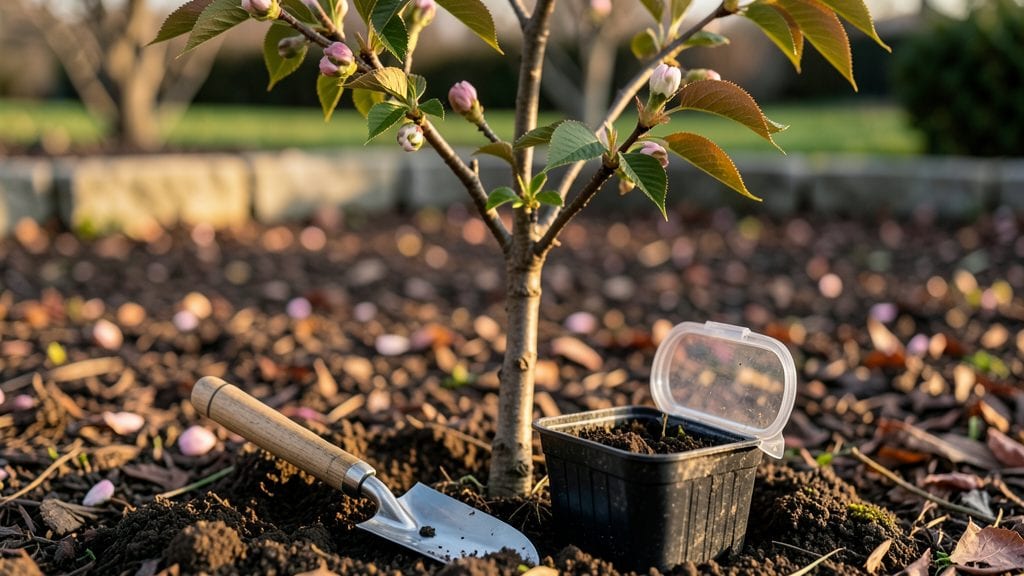
Planting a sakura tree means welcoming delicate pink blooms that turn your yard into a living painting every spring. 🌸 I’ve planted three myself—one in fall, one in early spring—and the timing makes all the difference for how quickly they establish roots and burst into color.
The secret isn’t just when you dig the hole, but how you prep the soil and protect those young roots from winter’s harshest months.
You’ll need well-draining soil (amend heavy clay with compost), a spot with 6 to 8 hours of sunlight, and patience—sakura trees grow 1 to 2 feet per year at first. The hardest part? Deciding whether to plant bare-root in late fall or a container-grown tree in early spring.
Both work, but container trees handle transplant shock better in colder climates. I’ve seen firsthand how a single misstep—like planting too deep—can strangle new growth before it even starts.
Within 2 to 3 years, you’ll have a tree strong enough to handle pruning for shape and health, with blooms that last 1 to 2 weeks in peak season.
The real magic happens when you time your pruning: right after flowering, when the tree’s energy shifts from blooms to new growth. Skip this, and you’ll end up with fewer flowers next year. Trust me, I’ve learned that the hard way.
Works in USDA Zones 5-8, though some varieties stretch into Zone 4 with winter protection. For city planters, dwarf sakuras are a game-changer—they fit small yards and still put on a show. Let’s get those roots in the ground the right way.
📚 In This Guide
- What you need
- Instructions
- Tips and common mistakes
- Wrapping up and next steps
What you need
- ● Sakura tree sapling: Choose a Prunus serrulata (Japanese cherry) or similar variety, 2–4 feet tall, with a healthy root system. Quantity: 1 per planting spot.
- ● High-quality potting soil or native soil mix: Well-draining, enriched with compost (avoid heavy clay). Quantity: Enough to fill the planting hole (typically 2–3 cubic feet per tree).
- ● Organic mulch: Wood chips, straw, or shredded bark (2–4 inches thick) to retain moisture and regulate soil temperature.
- ● Slow-release fertilizer: Balanced (10-10-10) or acid-loving plant fertilizer (e.g., for azaleas). Quantity: 1–2 cups per tree.
- ● Shovel or trowel: For digging planting holes (12–18 inches wide and deep).
- ● Garden gloves: To protect hands from thorns and soil.
- ● Watering can or hose with nozzle: For gentle, deep watering.
- ○ Pruning shears (sterilized): For trimming dead branches post-planting (optional but helpful).
- ● Measuring tape: To ensure proper spacing (15–25 feet between trees for mature growth).
- ● Sunlight: Full sun (6+ hours daily) for optimal blooming.
- ● Climate zone: Sakura trees thrive in USDA zones 5–8 (check local frost dates!).
- ● Soil pH: Slightly acidic (6.0–6.5); test soil or amend with sulfur if needed.
- ● Water source: Access to water for the first 2–3 weeks (daily deep watering).
- ○ Optional: Tree stake (if planting in windy areas) or drip irrigation system for long-term care.
Step-by-Step guide for planting a sakura tree
Here's how to plant your sakura tree for stunning seasonal blooms and lasting health.
🌱 Step 1: Choose the Perfect Planting Spot
Sakura trees thrive in full sun—select a location with at least 6 hours of direct sunlight daily. They love open spaces where their branches can spread naturally, so avoid tight corners or areas with overhead power lines. The soil should drain well; sakuras hate soggy roots, so raised beds or slightly elevated areas work best if your yard stays wet.
Test your spot by observing how sunlight moves across it throughout the day. Early morning sun is ideal, as it helps prevent afternoon heat stress. If your yard has afternoon shade, plant near the sunniest edge. Remember, sakuras grow 20-30 feet tall, so leave plenty of room for mature size.
🪴 Step 2: Dig the Hole and Prepare the Soil
Dig a hole twice as wide as the tree's root ball but no deeper—this encourages roots to spread horizontally rather than settling too low. Loosen the soil at the bottom with a garden fork to help roots penetrate easily. If your soil is heavy clay, mix in 2-3 inches of compost or organic matter to improve drainage.
Gently remove the sakura from its container and inspect the roots. If they're circling tightly, use your fingers to tease them outward before planting. Place the tree in the hole so the top of the root ball sits 1-2 inches above ground level—this prevents water from pooling around the trunk. Backfill with native soil, tamping lightly as you go to remove air pockets.
💧 Step 3: Water Thoroughly and Mulch Properly
Water the tree deeply right after planting—10-15 gallons for a mature-sized sakura—to settle the soil and eliminate air gaps. Keep watering every 2-3 days until new growth appears, ensuring the top 6 inches of soil stay moist but not soggy. Overwatering can suffocate roots, so always check moisture by sticking your finger 1 inch deep into the soil.
Spread 2-3 inches of mulch (like wood chips or shredded bark) around the base, keeping it 6 inches away from the trunk to prevent rot. Mulch helps retain moisture and regulates soil temperature, but avoid piling it against the bark. Water again lightly after mulching to help it settle and protect the roots.
✂️ Step 4: Prune for Shape and Health
Prune your sakura immediately after planting to remove any broken or damaged branches. Focus on shaping the tree by cutting back 1/3 of the new growth on each branch to encourage bushier growth. Use clean, sharp pruners to make cuts just above a leaf node or bud, angled slightly outward.
For young trees, prune again in late winter or early spring before buds swell, removing any dead, crossing, or inward-growing branches. Avoid heavy pruning during the growing season—sakuras bloom on new wood, so summer cuts may reduce next year's flowers. Always sterilize your tools with rubbing alcohol between cuts to prevent disease spread.
☀️ Step 5: Maintain Through the Seasons
Fertilize lightly in early spring with a balanced 10-10-10 formula, spreading it evenly under the canopy. Water deeply after applying to help nutrients reach the roots. In fall, reduce watering as temperatures drop, but keep the soil slightly moist until dormancy sets in.
Monitor for pests like aphids or spider mites—sakuras are generally hardy, but young trees can be vulnerable. Spray with neem oil if you spot infestations, and always water at the base to discourage fungal issues. With proper care, your sakura will reward you with pink blossoms in spring and vibrant foliage year-round.
Tips & tricks for perfect sakura tree planting
A few key strategies will help your sakura thrive for decades of stunning blossoms.
Sunlight Strategy: I learned the hard way—planting in partial shade means fewer flowers. The 6 hours of direct sunlight requirement is non-negotiable for optimal blooming. In Step 1, test your spot by observing sunlight patterns throughout the day. Early morning sun is especially important as it prevents afternoon heat stress that can scorch delicate leaves. If your yard has afternoon shade, position the tree near the sunniest edge of the shaded area.
Root Care Secret: When preparing the hole in Step 2, don't just dig—loosen the soil at the bottom with a garden fork. This creates a network of tiny channels that encourage roots to spread horizontally rather than settling too low. For heavy clay soil, mix in 2-3 inches of compost as specified, but work it into the native soil rather than creating a separate layer. This gradual transition helps roots adapt better to their new environment.
Watering Wisdom: The 10-15 gallons of water needed after planting might seem like a lot, but it's crucial for settling the soil and eliminating air gaps. Here's what nobody tells you—water deeply every 2-3 days until new growth appears, but check moisture by sticking your finger 1 inch deep into the soil. If it feels dry at that depth, water again. Overwatering is just as harmful as underwatering for sakuras.
Pruning Precision: In Step 4, when you cut back 1/3 of the new growth, make sure each cut is just above a leaf node or bud. The angle matters too—cut slightly outward to encourage proper branch development. I always sterilize my pruners with rubbing alcohol between cuts, especially when working with young trees. This simple step prevents disease spread that could compromise your tree's health for years to come.
Pro Tips for Sakura Tree Planting
- A few key strategies will help your sakura thrive for decades of stunning blossoms.
- Sunlight Strategy: I learned the hard way—planting in partial shade means fewer flowers.
- Root Care Secret: When preparing the hole in Step 2, don't just dig—loosen the soil at the bottom with a garden fork.
Frequently asked questions
Got questions about planting and caring for your sakura tree? You're not alone! Here are some of the most common queries—plus expert answers—to help you grow a stunning, healthy tree year after year.
When is the best time to plant a sakura tree?
The ideal time to plant a sakura tree is in early spring or fall (3-4 weeks before the first frost). This gives roots time to establish before extreme temperatures. Avoid planting in summer heat or deep winter, as stress can stunt growth. If you must plant in summer, water deeply and mulch to retain moisture.
Can I plant a sakura tree in a pot, or does it need to be in the ground?
Sakura trees thrive best in the ground, but young saplings can start in large containers (15+ gallons) for 1-2 years. Use well-draining soil and a pot with drainage holes. If keeping it potted long-term, expect slower growth and smaller blooms. Transplant to the ground when roots fill the container (usually by spring).
How do I protect my sakura tree from frost or cold winters?
Most sakura trees are hardy, but young trees or tender varieties need extra care. Mulch heavily (3-4 inches) around the base to insulate roots. Wrap the trunk with burlap or a tree guard if temperatures drop below 10°F (-12°C). Avoid pruning in late fall/winter, as new growth is vulnerable to frost damage.
Why isn’t my sakura tree blooming? What can I do?
Sakura trees need full sun (6+ hours/day), proper pruning, and patience—they often take 3-5 years to bloom after planting. If established but still not flowering, check for:
- Insufficient sunlight (move to sunnier spot)
- Over-fertilizing with nitrogen (use balanced 10-10-10 fertilizer)
- Stress from drought or poor soil (amend soil with compost)
Are sakura trees prone to pests or diseases? How do I prevent them?
Sakura trees can attract aphids, Japanese beetles, or fungal diseases like powdery mildew. Prevent issues with:
- Regular inspections (check undersides of leaves)
- Proper spacing (improves airflow)
- Neem oil or insecticidal soap for pests
- Avoid overhead watering to reduce fungal risks
Wrapping up and next steps
Planting a sakura tree isn’t just about welcoming fleeting spring blooms—it’s an investment in year-round beauty and harmony with nature. By mastering pruning timing and care, you’ll nurture a tree that thrives for decades, gracing your space with delicate petals, lush foliage, and even seasonal interest.
Whether you’re a seasoned gardener or a curious beginner, every small step—from choosing the right tools to understanding seasonal cuts—brings you closer to that dream of a flourishing sakura.
Ready to turn your vision into reality? Start small: research local climate zones, gather your supplies, and mark your calendar for the ideal planting or pruning window. Your future sakura—and the joy it brings—will thank you! 🌸✨