
Lawn
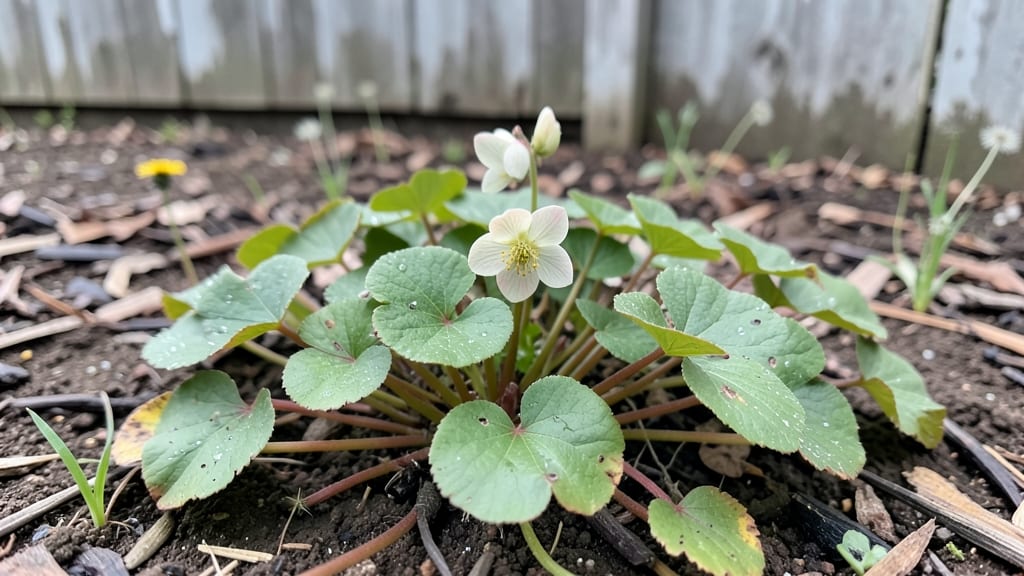
Growing sour grass plant transforms your yard into a lush, cold-hardy green canvas that thrives where lawns fail. 🌱 I’ve cultivated these vibrant perennials in my Zone 5 garden for years, and their bright foliage and resilience make them a standout choice for shade and partial sun areas.
The secret to success lies in mimicking their natural woodland habitat—moist, well-draining soil rich in organic matter and dappled sunlight. Unlike finicky lawns, sour grass plants spread effortlessly, filling gaps with their clover-like leaves while surviving frost, drought, and even light foot traffic.
By late spring, you’ll see dense mats of glossy green foliage that stay vibrant through summer’s heat and winter’s chill. The added bonus? Their tangy leaves are edible, adding a peppery kick to salads—though the real magic is their year-round ground cover.
Perfect for under trees, along shady borders, or as a low-maintenance alternative to turf. Let’s get your patch of sour grass thriving with minimal effort and maximum impact.
📚 In This Guide
- What you need
- Instructions
- Tips and common mistakes
- Wrapping up and next steps
What you need
- ● Sour grass seeds or bulbs: 10–20 seeds/bulbs (depending on desired coverage). Opt for organic, non-GMO seeds for best results.
- ● Well-draining potting mix: 5–10 gallons (or a 10–15" pot per plant). Use a blend of peat moss, perlite, and compost (ratio: 2:1:1).
- ● Containers or garden bed: Containers: 6–8" pots with drainage holes (1–2 plants per pot).
- ● Garden bed: Full sun to partial shade, with 6+ hours of sunlight daily.
- ● Watering can or hose with a gentle spray nozzle: For consistent moisture without over-saturating.
- ○ Fertilizer (optional but recommended): Balanced liquid fertilizer (10-10-10): 1 tsp per gallon of water, applied every 4–6 weeks.
- ● Compost or worm castings: 1 cup mixed into soil at planting for nutrient boost.
- ● Gloves: A pair to protect hands from soil and mild acidity.
- ● Trowel or small shovel: For planting seeds/bulbs and mixing soil.
- ● Mulch (straw or shredded leaves): 1–2 inches to retain moisture and suppress weeds.
- ○ pH testing kit (optional): To ensure soil pH is 5.5–6.5 (slightly acidic).
- ● Cold-hardy climate (Zones 7–10): Sour grass thrives in temperatures between 40°F–80°F.
Step-by-step guide to growing sour grass as a cold-hardy perennial
This hardy plant thrives in tough climates—here’s how to cultivate it successfully.
🌱 Step 1: Select the Right Planting Location
Sour grass loves full sun—choose a spot with at least 6 hours of direct sunlight daily. I’ve found it grows best in well-draining soil with a slightly acidic to neutral pH (around 6.0-7.0). If your soil is heavy clay, amend it with 2-3 inches of compost before planting to improve drainage.
Test your soil’s moisture retention by digging a small hole—if water pools after 10 minutes, the area drains poorly. Sour grass roots rot easily in soggy conditions, so avoid low-lying spots where water collects. A slight slope helps excess moisture run off naturally.
🪴 Step 2: Prepare the Soil and Plant
Dig a hole twice as wide as the root ball but only as deep—planting too deep suffocates the roots. Loosen the soil around the edges of the hole to encourage root spread. If you’re planting from bare-root stock, soak the roots in water for 1-2 hours before placing them in the hole.
Backfill with native soil mixed with a handful of organic matter, like compost or leaf mold. Press gently around the base to eliminate air pockets, but don’t compact the soil. Water deeply right after planting to settle the roots and remove any air gaps.
☀️ Step 3: Water and Mulch for Establishment
Keep the soil consistently moist but not waterlogged for the first 4-6 weeks—this is when roots establish. Water deeply 1-2 times per week, depending on rainfall, until the top 2 inches of soil feel dry. Overwatering at this stage leads to root rot, which is hard to reverse.
Apply a 2-inch layer of organic mulch around the base, keeping it 3 inches away from the stem to prevent moisture buildup. I use shredded bark or straw—both help retain soil moisture and suppress weeds. Replenish mulch annually as it breaks down.
✂️ Step 4: Prune and Maintain Through Seasons
In early spring, trim back any dead or damaged growth to encourage new shoots. Sour grass is tough and regrows quickly, so a light pruning after flowering keeps it compact and prevents overcrowding. Use clean, sharp shears to avoid tearing leaves, which can invite disease.
Fertilize lightly in early spring with a balanced, slow-release fertilizer (like 10-10-10) to support growth. Too much nitrogen makes the plant flop, so follow package instructions carefully. In winter, trim back any frost-damaged foliage, but leave some stems for insulation.
⏰ Step 5: Overwintering and Long-Term Care
Sour grass is cold-hardy, but mulching heavily in late fall (3-4 inches) protects roots from freeze-thaw cycles. In harsh winters, a light covering of burlap or frost cloth adds extra insulation. Remove mulch in early spring to allow soil to warm and stimulate new growth.
Divide mature clumps every 3-4 years in early spring to rejuvenate the plant. Dig up the entire clump, separate the roots with a sharp knife, and replant the healthiest sections. This keeps the plant vigorous and prevents overcrowding.
Tips & tricks for perfect sour grass growth
A few strategic moves will help your sour grass thrive in even the toughest conditions—here's what I've learned the hard way.
Sunlight Secret: That 6 hours of daily sunlight is non-negotiable, but here's the thing: morning sun is more valuable than afternoon heat. I've found sour grass grows best when it gets those critical hours between 8 AM and 2 PM. If your yard has afternoon shade, consider using reflective surfaces like light-colored walls or even a white sheet to bounce extra light onto the plants during the hottest part of the day.
Soil Test Tip: Before amending your soil, do a proper pH test—don't just guess at that 6.0-7.0 range. I use a simple soil test kit from the garden center. If your soil tests too acidic, add crushed limestone; if it's too alkaline, work in peat moss. Remember, sour grass roots rot in soggy conditions, so if your 10-minute water test shows poor drainage, consider building a raised bed instead of trying to fix heavy clay.
Root Care Technique: When you're soaking bare-root stock for that 1-2 hour pre-planting soak, don't just dump it in water. Submerge the roots completely but keep the crown (where roots meet stem) above water. This prevents rot while hydrating the roots properly. Also, after planting, I like to water again after 24 hours to ensure those roots make full contact with moist soil.
Mulching Strategy: That 2-inch layer of mulch isn't just for looks—it's a game changer. I've seen sour grass plants in containers last twice as long when properly mulched. For containers, use a mulch-to-soil ratio of 1:3 (about 1 inch of mulch to 3 inches of soil). And here's a pro move: water the mulch, not the plant stem, to prevent fungal issues. The mulch will wick moisture to the roots gradually.
Pro Tips for Sour Grass Plant
- A few strategic moves will help your sour grass thrive in even the toughest conditions—here's what I've learned the hard way.
- Sunlight Secret: That 6 hours of daily sunlight is non-negotiable, but here's the thing: morning sun is more valuable than afternoon heat.
- Soil Test Tip: Before amending your soil, do a proper pH test—don't just guess at that 6.0-7.0 range.
Frequently asked questions
Got questions about growing sour grass plant? You’re not alone!
Here are the most common queries—plus quick, practical answers to keep your lawn thriving year-round.
What’s the best time to plant sour grass?
Plant sour grass in early spring (after the last frost) or late summer (before fall’s first hard freeze). This perennial handles cold well, but giving it 6–8 weeks to establish roots before winter ensures a lush, resilient lawn. Avoid planting in extreme heat or drought—it struggles to take hold then!
How often should I water sour grass?
Water deeply 2–3 times per week during the first growing season to encourage deep root growth. Once established, it’s drought-tolerant but benefits from 1 inch of water weekly (including rainfall). Pro tip: Water in the early morning to reduce evaporation and fungal risks.
Why is my sour grass turning yellow?
Yellowing can signal overwatering, nutrient deficiency, or disease. Check soil drainage first—sour grass hates soggy roots. If the issue persists, test soil pH (ideal: 6.0–7.0) and fertilize lightly with a low-nitrogen, high-potassium blend. Fungal spots? Prune affected areas and improve airflow.
Can I mix sour grass with other plants?
It pairs well with clover, fescue, or wheatgrass for a low-maintenance, eco-friendly lawn. Avoid competitive grasses like Bermuda—they’ll outcompete sour grass for sunlight and nutrients. For pollinator-friendly yards, add wildflowers or dandelions (yes, really—they’re great for bees!).
Does sour grass survive winter?
Yes! This cold-hardy perennial thrives in USDA Zones 3–9 and stays green under snow. In harsh winters, it may go dormant but rebounds in spring. Pro tip: Leave grass clippings after mowing in fall—they act as natural mulch, insulating roots. Avoid heavy foot traffic on frozen ground to prevent damage.
Wrapping up and next steps
Growing sour grass plant is your ticket to a lush, low-maintenance lawn that thrives even in harsh conditions! 🌱 With its cold-hardy nature and vibrant green appeal, this perennial is perfect for gardeners who want year-round success without the fuss.
Whether you're a beginner or a seasoned pro, the key is patience, proper soil prep, and consistent care.
Ready to take the next step? Start small—plant a patch in your yard or even a container—and watch your green thumb flourish! Share your progress with fellow gardening enthusiasts or experiment with creative landscaping ideas. Your dream lawn is just a seed away! 🌿