
Size
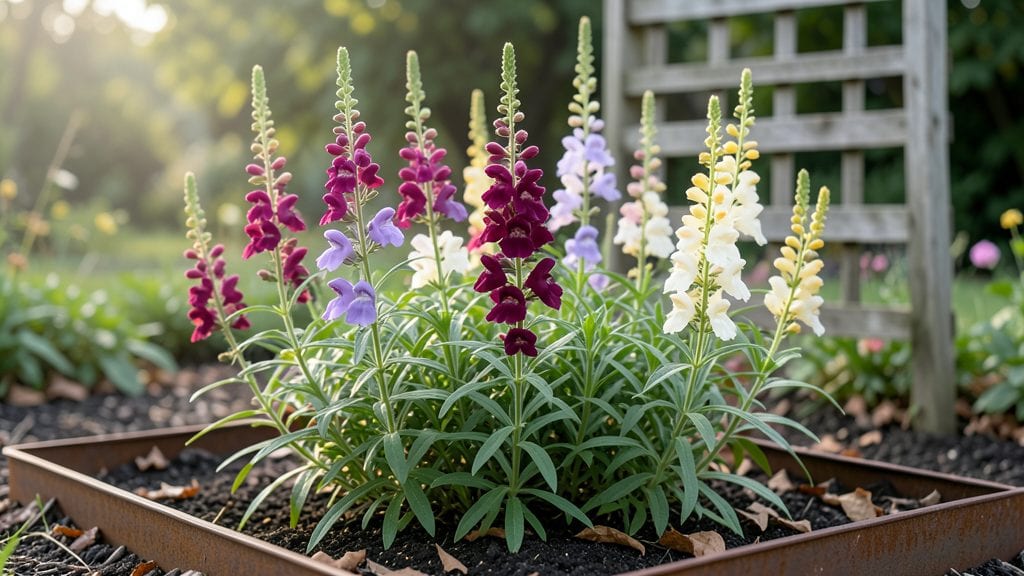
My tall snapdragon plants reach 4 feet tall—not by accident, but by following three precise trimming hacks that keep stems strong and blooms abundant. 🌿 The difference between scraggly stems and sky-high spikes comes down to when you cut, how you cut, and what you do with the spent flowers.
I learned this the hard way after watching my first batch flop over like overgrown weeds.
Start with well-draining soil and full sun—these plants need both to grow tall without toppling. Space them 12-18 inches apart so air circulates, and water at the base (never overhead) to prevent fungal issues.
The real magic happens in late spring when you begin the first of those three trimming hacks: pinching back the top set of leaves to encourage branching. It sounds counterintuitive, but it works.
By summer, your snapdragons will be sturdy enough to support those jewel-toned blooms you planted for. The second hack is deadheading spent flowers—snip them off just above the next set of leaves to redirect energy upward.
Do this consistently, and you’ll see new buds forming within 10-14 days. The third hack? A mid-season trim to remove any leggy growth that’s stretching too far from the center.
Works for both garden beds and containers, and the same principles apply whether you’re growing Rocket Series or Black Prince varieties. The key is patience—these plants take 60-75 days from seed to bloom, but the payoff is worth it. Ready to grow snapdragons that turn heads at the fence line?
📚 In This Guide
- What you need
- Instructions
- Tips and common mistakes
- Wrapping up and next steps
What you need
- ● Snapdragon Seeds or Seedlings: Choose tall varieties like 'Black Prince,' 'Rocket,' or 'Monarch.' Start with 5–10 seeds or 3–5 young plants for a full display.
- ● Well-Draining Potting Mix: 5–10 gallons of a lightweight, peat-based mix (or add perlite/vermiculite for aeration). Avoid heavy clay soil.
- ● Containers or Garden Bed: Containers: 5–10 gallon pots with drainage holes (one per plant). Opt for fabric grow bags for root health.
- ● Garden Bed: A sunny, raised spot (6+ hours of light) with loose, fertile soil. Amend with 2–3 inches of compost.
- ● Fertilizer: A balanced, slow-release 10-10-10 or fish emulsion (20-20-20). Use 1 tbsp per plant every 4–6 weeks.
- ● Support Structures: Tall Trellis or Stakes: 6–8 ft bamboo stakes or a tomato cage (1 per plant). Secure with soft plant ties.
- ● Cage or Grid System: For multiple plants, use a metal or plastic grid trellis (4x8 ft).
- ● Watering Can or Hose: With a gentle spray nozzle to avoid damaging stems.
- ● Pruning Shears: Sharp, bypass-style shears (sterilized with rubbing alcohol).
- ● Growth Regulator: Paclobutrazol (B-9) (follow label instructions) to encourage bushier, taller growth.
- ● Mulch: 2–3 inches of straw or wood chips to retain moisture and suppress weeds.
- ● Garden Gloves: For comfortable handling during trimming or planting.
- ● pH Test Kit: To ensure soil pH is 6.0–7.0 (snapdragons thrive in slightly acidic to neutral soil).
- ● Grow Lights: If indoors, use full-spectrum LEDs (12–16 hrs/day) for seedlings.
Step-by-step guide to cultivating towering snapdragon stems
Here’s how to coax snapdragons to their full 3-4 foot glory using targeted pruning and growth hacks.
🌱 Step 1: Select and Plant for Structural Support
Start with dwarf or hybrid varieties like ‘Black Prince’ or ‘Rocket’—they’re bred for height but need proper spacing. Plant each stem 12-18 inches apart in well-draining soil amended with 2-3 inches of compost. Snapdragons thrive in full sun (6+ hours daily), but in hot climates, afternoon shade prevents bolting.
Press the seedling’s root ball firmly into the soil to eliminate air pockets—this encourages deep rooting, which stabilizes tall stems. Water immediately after planting to settle the soil, but avoid saturating the base. You’ll know moisture is right when the top 1 inch of soil feels damp but not slick.
✂️ Step 2: Pinch Back Early for Bushier Growth
When plants reach 6-8 inches tall (about 4-6 weeks after sowing), pinch off the top set of leaves with your thumb and forefinger. This triggers lateral branching, creating a sturdier, multi-stemmed plant that won’t flop under its own weight. Aim for 3-4 main stems per plant—each will produce flowers along its length.
Use clean, sharp scissors for larger stems (never tear tissue). If you skip this step, snapdragons grow leggy and top-heavy, with all blooms clustered at the top. I’ve seen 2-foot stems snap under rain—don’t let that happen to yours.
☀️ Step 3: Deadhead and Prune for Continuous Blooms
Remove spent blooms weekly by snipping the stem just above a set of leaves (never at a node). This redirects energy to new flower production instead of seed formation. For extra height, trim 1-2 inches off the top of the tallest stems when they reach 24 inches—this encourages secondary flowering lower on the stem.
Watch for yellowing lower leaves—this signals overcrowding. Thin stems to 4-5 per plant if needed, cutting at the base. Prune in morning hours so wounds dry before evening, reducing disease risk. You’ll see new buds forming within 7-10 days of deadheading.
🪴 Step 4: Stake or Cage for Wind Resistance
Install 6-foot stakes or tomato cages at planting time to prevent leaning. Tie stems loosely with soft plant ties (never wire)—snapdragons grow fast, so check ties weekly and loosen as stems thicken. If you’re growing in containers, choose pots with 10+ inch diameters to accommodate deep roots.
For a natural look, weave stems through ornamental grasses or tall perennials like delphiniums. This distributes weight and creates a textured, layered display. Avoid overwatering now—tall stems rot faster than they grow. Water at the base only, keeping soil evenly moist but not soggy.
Tips & tricks for towering snapdragon cultivation
Here's the thing about snapdragons—they're built for height, but nature doesn't always cooperate. These precision techniques will help you achieve those 3-4 foot stems without the flopping or snapping.
Root Support Strategy: The 12-18 inch spacing between plants isn't just about aesthetics—it's about root development. When you press that root ball firmly into the soil, you're creating a deep anchor system. I've found that adding a handful of perlite to your compost mix improves drainage while encouraging roots to grow deeper, which directly supports those towering stems. Think of it as building a foundation for a skyscraper—without proper footing, even the best varieties will topple.
Pruning Precision: That 6-8 inch height for pinching isn't arbitrary—it's when the plant has developed enough lateral buds to branch properly. When you pinch just above a set of leaves, you're targeting those dormant buds perfectly. Here's what nobody tells you: use your fingernail to gently probe the stem first. If you feel a slight bump (that's a bud), you're in the right spot. Missing it by even 1/4 inch can mean the difference between bushy growth and leggy stems that snap in wind.
Deadheading Discipline: The weekly deadheading schedule in Step 3 is non-negotiable for continuous blooms, but timing matters just as much as frequency. Always prune in the morning—this gives the plant's wounds all day to dry before evening moisture could invite fungal issues. And that 1-2 inch trim from the top when stems hit 24 inches? That's not just about height control. It's about redirecting energy to lower nodes where you'll get those secondary blooms that make your snapdragons look like they're reaching for the sky. I've seen plants with three tiers of flowers after this technique.
Staking Science: Those 6-foot stakes aren't just for show—they're about physics. Snapdragon stems can grow 2-3 inches per week under ideal conditions, and that rapid growth makes them top-heavy. When you install stakes at planting time (not after the plant is already leaning), you're creating a structural support system that grows with the plant. Pro tip: bury the stake at least 12 inches deep—this gives you a stable base that won't wobble when stems reach their full height. And those soft plant ties? Check them weekly because stems thicken as they grow, and tight ties can actually restrict growth.
Pro Tips for Tall Snapdragon Plants
- Here's the thing about snapdragons—they're built for height, but nature doesn't always cooperate.
- Root Support Strategy: The 12-18 inch spacing between plants isn't just about aesthetics—it's about root development.
- Pruning Precision: That 6-8 inch height for pinching isn't arbitrary—it's when the plant has developed enough lateral buds to branch properly.
Frequently asked questions
Got questions about growing tall snapdragon plants?
You’re not alone! Here are the most common concerns—plus quick, actionable answers to keep your towering blooms thriving.
How tall can snapdragon plants actually grow?
With proper care, snapdragons can reach 2–4 feet tall (or even taller in ideal conditions!). Dwarf varieties stay under 18 inches, while giant types like ‘Black Prince’ can hit 5+ feet. Pinch back young plants to encourage bushier growth and prevent flopping.
When is the best time to trim tall snapdragons?
Trim early in the season (when plants are 6–12 inches tall) to promote branching. For continuous blooms, deadhead spent flowers regularly and cut back leggy stems by ⅓ in late summer to rejuvenate growth before winter.
Do tall snapdragons need winter protection?
Most snapdragons are hardy to USDA Zone 5, but tall varieties benefit from mulch or row covers in freezing temps. Cut back dead stems in early spring—new growth will emerge from the base. Avoid heavy pruning until warm weather returns!
What if my snapdragons get too leggy or floppy?
Leggy growth usually means too little light or overcrowding. Stake tall stems early or use cage supports to prevent flopping. For severe cases, trim back by ⅔ and fertilize lightly to encourage denser regrowth.
Can I grow tall snapdragons in containers?
Yes! Choose large pots (12+ inches deep) with drainage and use a lightweight potting mix. Dwarf varieties adapt better, but tall types like ‘Monarch’ thrive in containers too—just water deeply and stake them. Rotate pots occasionally for even growth.
Wrapping up and next steps
Growing tall snapdragon plants to their full, sky-high potential is totally doable with the right care—and a little precision trimming! 🌿 Whether you’re pruning for bushier blooms, controlling height, or encouraging longer stems, these three hacks will keep your snapdragons thriving.
Remember, patience and consistency are key, so don’t rush the process.
Now that you’re armed with the know-how, roll up your sleeves and get trimming! 🌸 Start with one plant at a time, experiment with techniques, and watch your snapdragons reach new heights. Happy gardening—your future floral masterpiece awaits!